Metal3DPMETAL3DP
SPECIALTY & COMPOSITE POWDERSTECHNICAL PRODUCT DATA

Aluminum Pigment (Leafing & Non-Leafing Flake)

Leafing & Non-Leafing Flake

5-40µm aluminum flake pigments, certified leafing value, solvent and waterborne pastes, VMP mirror grades. Effect-matching and compatibility support.

Grades
Leafing, non-leafing, vacuum-metallized (VMP) premium
Size range
5-40 µm D50
Forms
Solvent paste, waterborne paste, powder
Brightness
Standard to high-DOI mirror grades
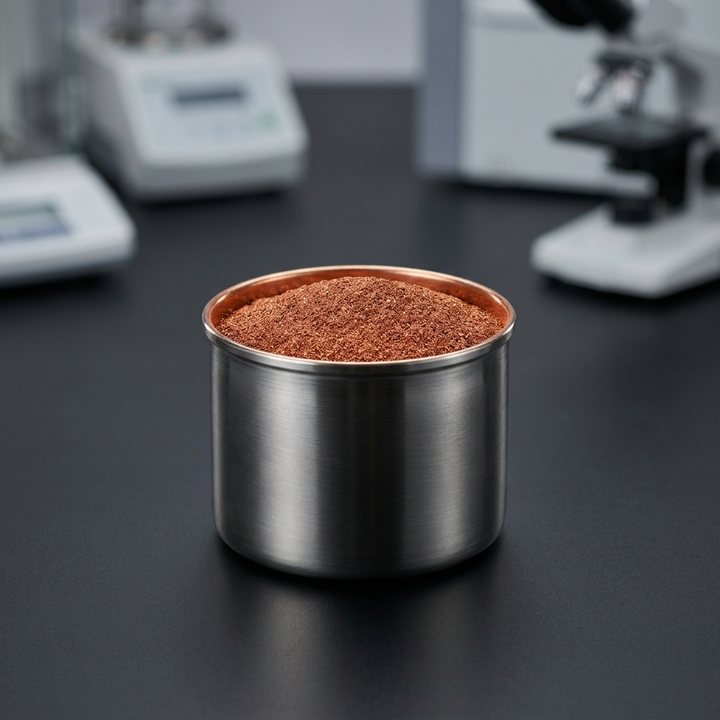
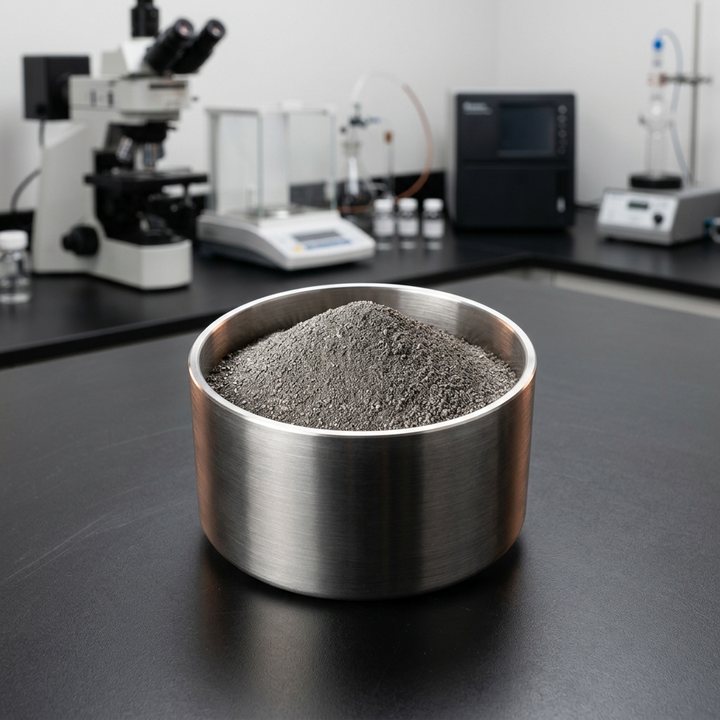
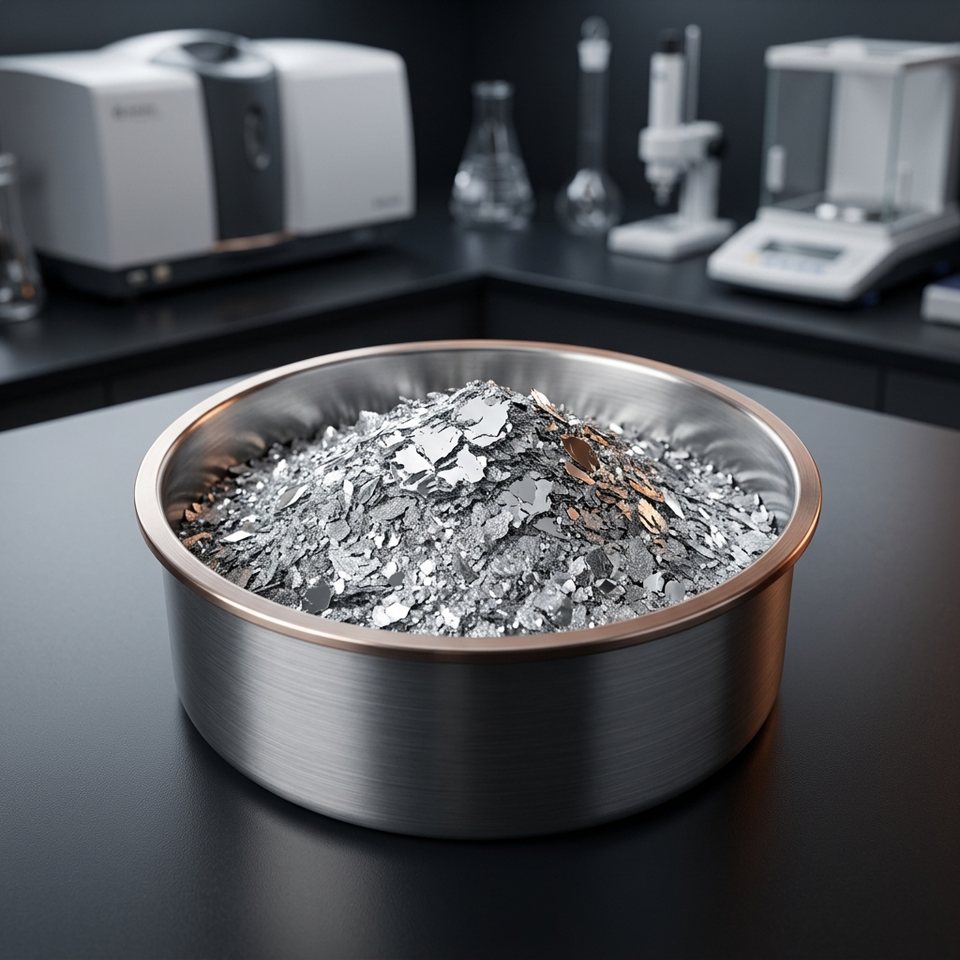
Aluminum Pigment (Leafing & Non-Leafing Flake) metal powder product sample

QUICK ANSWER

Performance Defined by Material and Process.

Aluminum pigment is ball-milled aluminum flake (5-40 µm) with mirror-like surfaces, supplied in leafing grades (flakes float to the coating surface, creating chrome-bright barrier films) and non-leafing grades (flakes distribute through the film for metallic sparkle effects). It is the universal metallic pigment of the coatings, printing ink, and plastics industries — from automotive silver to roof coatings to chrome-effect inks.

Aluminum pigment works by optics: flat, polished flakes align parallel to the substrate and reflect light like tiny mirrors. Leafing grades use stearic acid lubrication that makes flakes rise and overlap at the surface — the chrome-silver of roof coatings, anti-corrosion paints, and radiant barriers. Non-leafing grades use fatty-acid variants that keep flakes suspended in the film — the metallic silver and color-flop effects of automotive and consumer coatings. The industry buys on flake size distribution, brightness (DOI), and leafing stability, in paste form (65% solids in solvent) for safe handling.

MATERIAL DATA

Chemistry and Technical Performance.

Lot-level controls focus on the chemistry, particle characteristics, and process values that influence manufacturing consistency and finished-part performance.

Chemical Composition

TYPICAL
ElementContentPerformance Role
Aluminum (Al)> 99.5 wt% (flake)Reflective metal base — mirror-bright flake surfaces
Flake thickness0.1-0.5 µmUltra-thin platelets — the optical working dimension
Flake diameter (D50)5-40 µm (grade)Size sets sparkle scale — coarse glittery to fine satin
LubricantStearic/oleic acid typeDetermines leafing vs non-leafing behavior
Solvent paste65 wt% solidsSafe-handling form — eliminates dust explosion risk

Technical Specifications

BASE GRADE
Grades
Leafing, non-leafing, vacuum-metallized (VMP) premium
Size range
5-40 µm D50
Forms
Solvent paste, waterborne paste, powder
Brightness
Standard to high-DOI mirror grades
Main markets
Coatings, inks, plastics masterbatch
Packaging
25/50 kg drums, DG documentation

Final limits can be aligned with the agreed purchase specification.

APPLICATIONS

Developed for Demanding Industrial Applications.

01

Industrial and protective coatings are the tonnage market

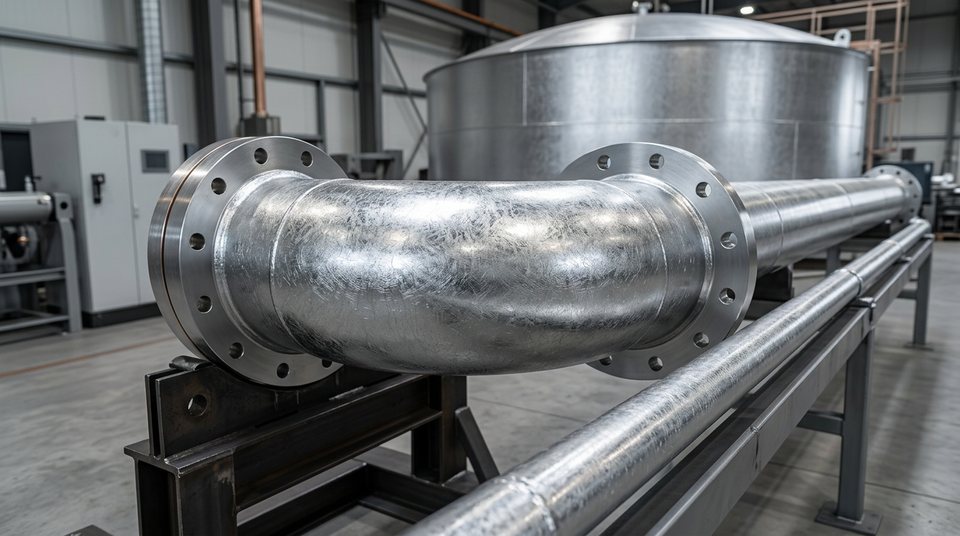
Industrial and protective coatings are the tonnage market: leafing aluminum pigment goes into roof coatings, tank and pipeline paints, marine primers, and heat-resistant coatings, where the overlapping flake barrier blocks UV and moisture while reflecting heat — a roof coating's reflectivity and a tank paint's barrier life both come from the pigment's leafing quality. Coatings manufacturers buy on leafing-value certification and flake size consistency, in drum quantities under annual contracts.

02

Automotive, printing, and plastics form the value market

Automotive, printing, and plastics form the value market: non-leafing pigments create the metallic silvers and effect colors of car finishes and consumer electronics; chrome-effect printing inks serve packaging and labels; and aluminum pigment masterbatches color plastics from cosmetics caps to automotive trim. Premium vacuum-metallized pigment (VMP) grades deliver true mirror chrome effects. These buyers purchase on brightness metrics, size distribution, and compatibility certification with their resin or ink systems.

Aluminum Pigment (Leafing & Non-Leafing Flake) industrial application detail

SPECIALTY & COMPOSITE POWDERS

CUSTOM SUPPLY

A Supply Specification Built Around Your Process.

We supply aluminum pigment in leafing and non-leafing grades across the 5-40 µm range, as solvent paste (standard), waterborne paste (low-VOC systems), and powder for masterbatch. VMP mirror grades, custom size distributions for specific effect targets, and resin-compatibility testing support are available. Not export-controlled.

01

We supply aluminum pigment in leafing and non-leafing grades across the 5-40 µm range, as solvent paste (standard), waterborne paste (low-VOC systems), and powder for masterbatch.

02

VMP mirror grades, custom size distributions for specific effect targets, and resin-compatibility testing support are available.

MATERIAL COMPARISON

Compare Materials Against the Production Requirement.

Leafing vs Non-Leafing Aluminum Pigment

Comparison PointThis ProductNon-Leafing Grade
Flake position in filmFloats to surface, overlapsDistributed through film
Visual effectUniform chrome-silverMetallic sparkle, color-flop
Barrier functionExcellent — UV/moisture blockModerate
Topcoat compatibilityPoor — leafing layer interferesGood — clear-coatable
Heat reflectionExcellent (roof coatings)Moderate
Best useRoof, tank, marine, anti-corrosionAutomotive, inks, plastics

TECHNICAL FAQ

Technical Questions About This Grade.

Need a different chemistry, particle range, or processing route? Our material team can review the requirement and supply window.

Why is aluminum pigment sold as paste rather than dry powder?

Dry aluminum flake is a severe dust-explosion hazard; paste (65 percent solids in solvent) eliminates dust in handling and dosing. Waterborne pastes extend the same safety to low-VOC formulations.

What does leafing value measure?

The percentage of flake that rises to the wet film surface — the parameter that makes or breaks roof-coating reflectivity. We certify leafing value per lot; drift below specification is the classic cause of dull, non-reflective batches.

Which grade for waterborne automotive coatings?

Waterborne-pasted non-leafing grades with passivated surfaces — untreated aluminum reacts with water, generating hydrogen and destroying the paint. Our waterborne grades carry stabilization certification.

Can you match a competitor's effect target?

Yes — send the target panel or the incumbent pigment's size distribution and brightness data; we will produce a matched grade with comparative drawdown panels.

Is aluminum pigment export-controlled?

No. Aluminum pigments ship as standard coating raw materials with DG documentation.

REQUEST THIS GRADE

Turn Your Production Requirement Into a Powder Specification.

Share your target chemistry, particle size, process, annual volume, and destination. Our powder specialists will confirm the closest production grade and documentation package.

Talk to a Powder Specialist
Send Inquiry