Purity Where It Matters
Oxygen, carbon, metallic impurities, and interstitial limits are aligned with densification, toughness, conductivity, or high-temperature performance.
TOOLING & EXTREME MATERIAL SOLUTIONS
Carbide, matrix, binder, and refractory powders selected for sintering response, diamond retention, hot hardness, purity, thermal stability, and performance in extreme service.
BUILT AROUND THE APPLICATION
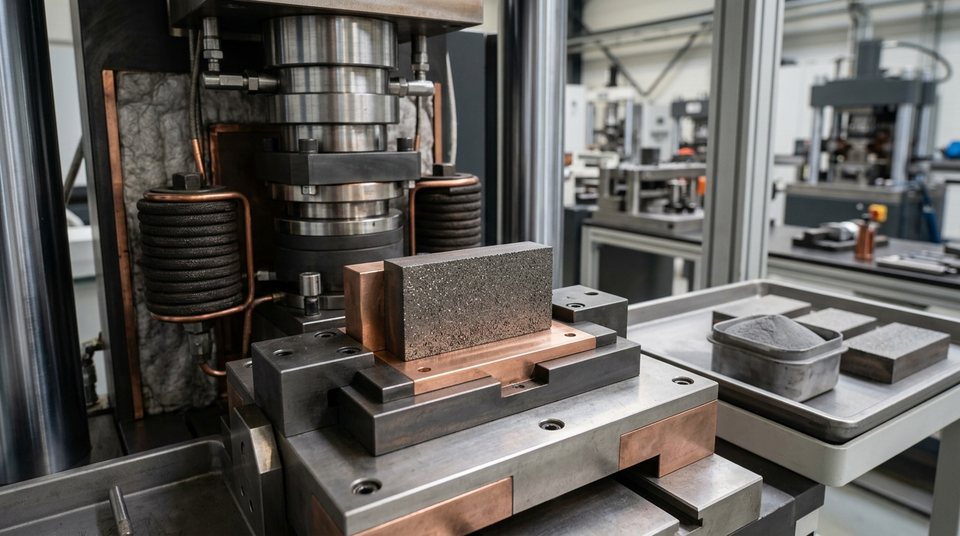
Material selection connected to process stability, finished performance, and production-scale supply.
9
Relevant powder grades
Carbide + refractory
Wear and extreme-temperature systems
Purity controlled
Interstitial and impurity options
Process matched
Pressing, hot pressing, sintering
APPLICATION ROUTES
The same nominal material can behave differently across equipment, process windows, and finished-part requirements. Start with how the powder will be used.
WHAT TOOLING AND REFRACTORY BUYERS NEED
Trace impurities, oxygen, particle agglomeration, binder behavior, and alloy homogeneity can decide tool life or high-temperature reliability.
Oxygen, carbon, metallic impurities, and interstitial limits are aligned with densification, toughness, conductivity, or high-temperature performance.
Size, morphology, agglomeration, and surface condition support milling, blending, pressing, hot pressing, or sintering.
Wetting, diamond retention, grain growth, hardness, toughness, and thermal response are evaluated as a material system.
Origin, lot identity, inspection data, packaging, and continuity planning support high-value production programs.
RECOMMENDED POWDERS
These grades are practical commercial starting points. Final chemistry, particle range, surface condition, packing, and documentation can be aligned with your process.
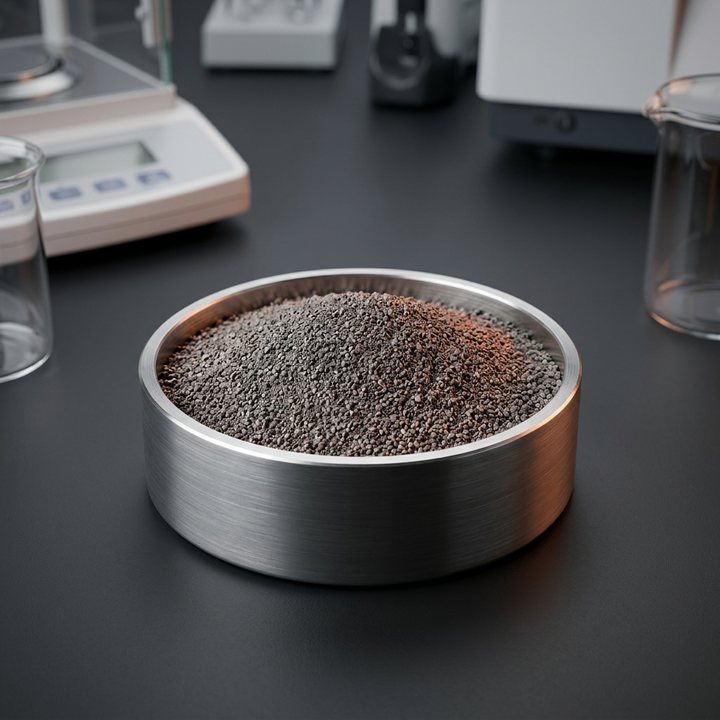
Pre-alloyed FeCuCo bond powder for diamond saw segments and core drills. Ratios from Fe70Cu20Co10 to Fe50Cu20Co30, custom blends, sintered data per lot. No WC, no licensing.
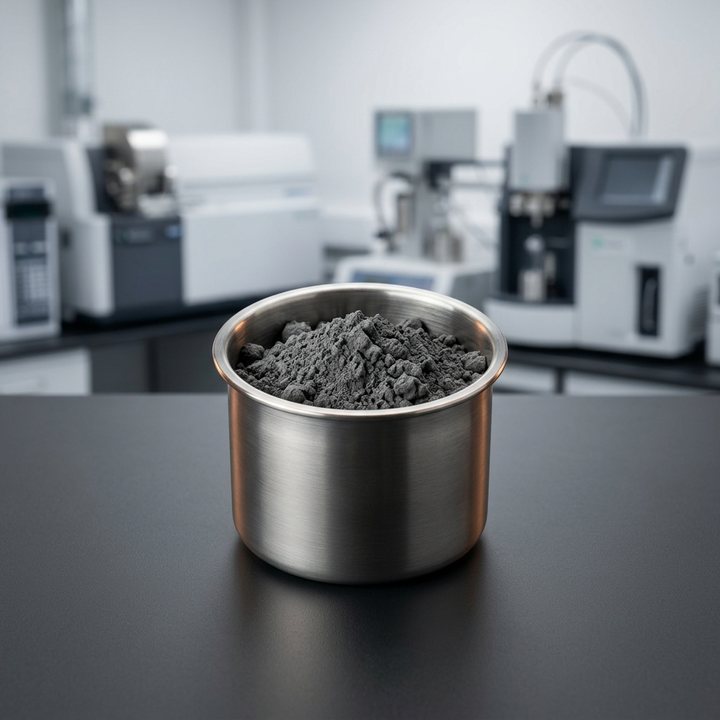
99.8% submicron cobalt binder powder for carbide inserts and diamond tool bonds. O < 0.8%, magnetic assay certified, extra-fine grades for ultrafine carbide lines.
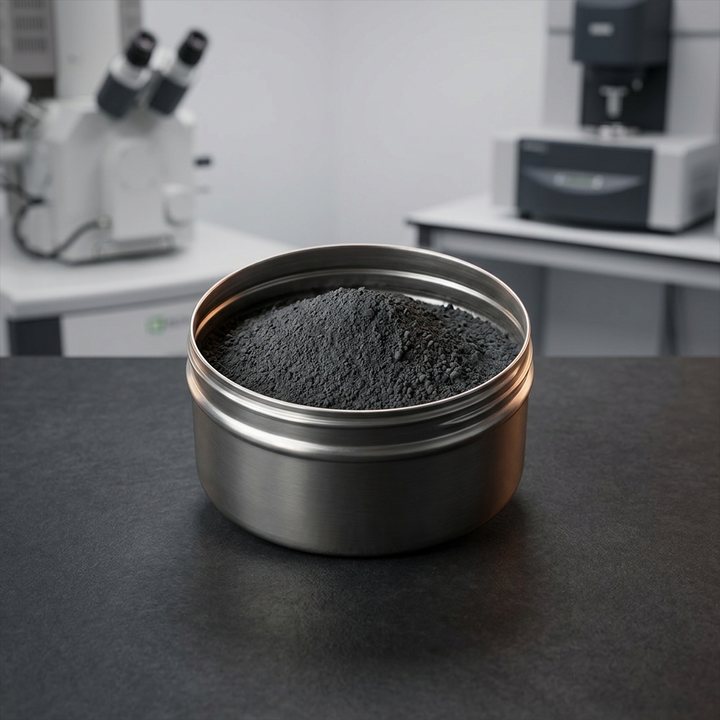
TiC powder 0.8-10µm, 3000+ HV, half the density of WC, tungsten-free. Cermet cutting tool grade (low O, certified carbon) and PTA/laser cladding wear grades.
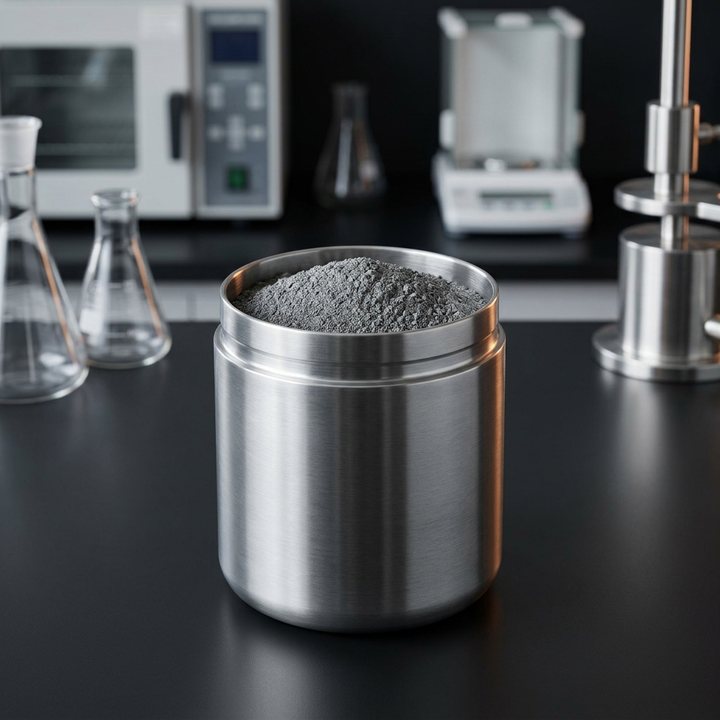
Capacitor-grade Ta powder 10k-80k CV/g, metallurgical and spherical 3D printing cuts. 99.9% purity, conflict-free RMI documented, medical implant and sputtering target feedstock.
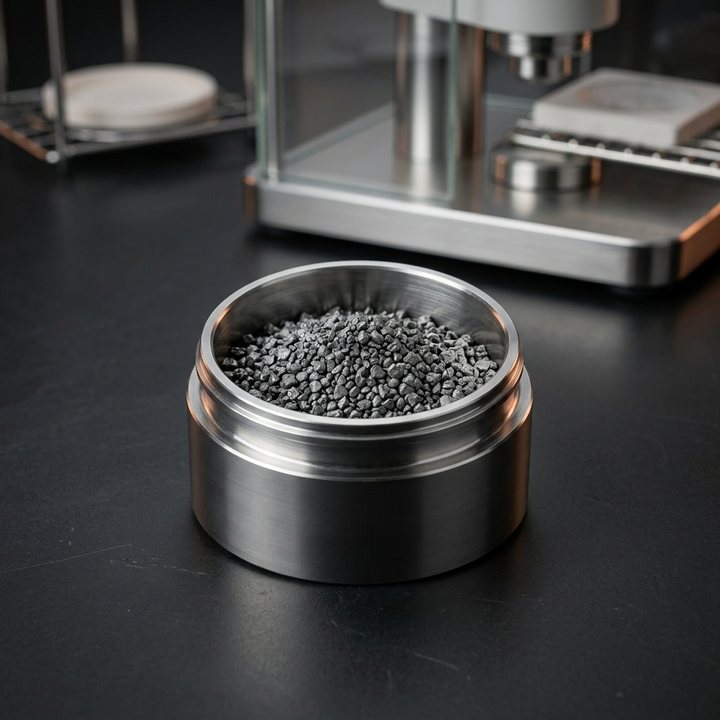
Nb powder for NbTi superconductors, NbO capacitor anodes, 718 additions and C-103 rocket AM. 99.9-99.99% purity, spherical cuts, certified interstitials per lot.
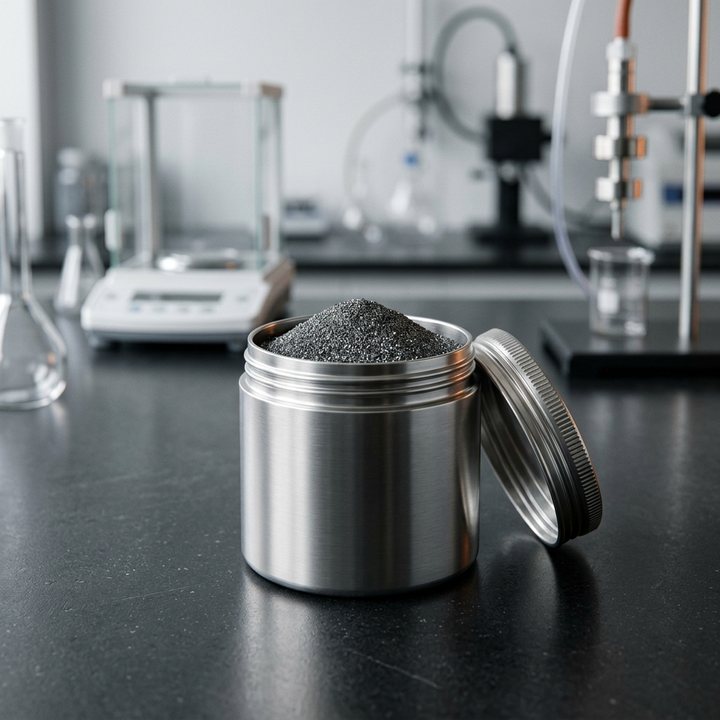
4N rhenium powder for single-crystal turbine blade alloys, X-ray targets and catalysts. GDMS panels per lot, W-Re/Mo-Re alloy powders, allocated supply quoted per inquiry.
This application currently includes 9 relevant grades across the connected product families.
Browse the Full Product Portfolio ↗WHERE THESE POWDERS CREATE VALUE
The most useful material recommendation connects powder behavior to equipment, production economics, and the component's real service environment.
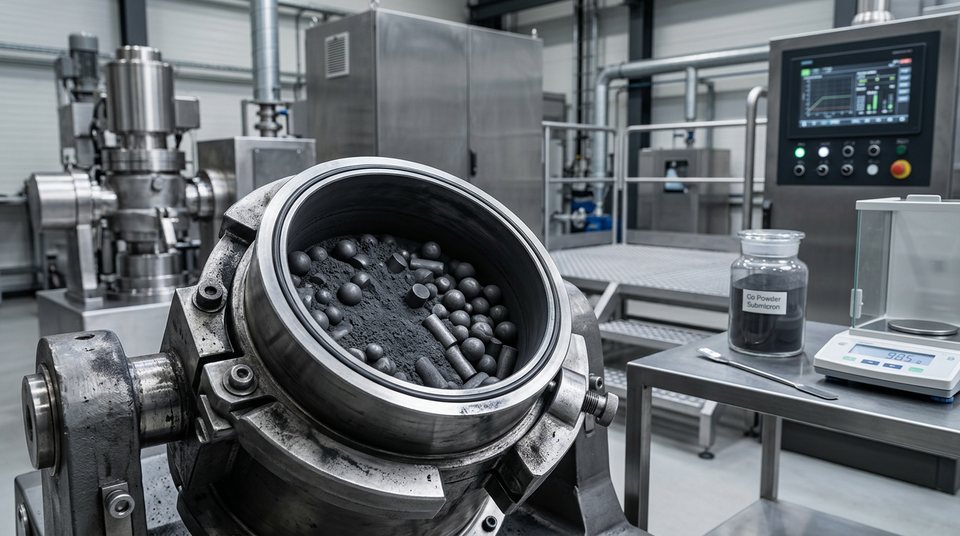
Carbide inserts, drills, end mills, cermets, wear tips, and high-performance machining grades.
Saw segments, core drills, grinding tools, polishing systems, and stone-processing tools.
High-temperature components, alloy additions, thermal hardware, and specialized powder routes.
Superconductors, high-field systems, high-temperature instrumentation, and advanced energy hardware.
Capacitor powders, biocompatible tantalum, sputtering targets, and precision components.
Mining tools, nozzles, guides, dies, seal parts, and erosion-resistant components.
A FASTER TECHNICAL CONVERSATION
You do not need a finished specification to start. These inputs let our team identify relevant grades, flag risks, and respond with practical next steps.
FROM REQUIREMENT TO QUALIFIED POWDER
Send the tool or component, powder process, material system, purity limits, performance target, and annual volume. We will narrow the practical options.