Metal3DPMETAL3DP
CARBIDE & DIAMOND TOOL MATRIX POWDERSTECHNICAL PRODUCT DATA

Submicron Cobalt Powder (Cemented Carbide Binder Grade)

Cemented Carbide Binder Grade

99.8% submicron cobalt binder powder for carbide inserts and diamond tool bonds. O < 0.8%, magnetic assay certified, extra-fine grades for ultrafine carbide lines.

FSSS particle size
0.5-1.5 µm (standard binder grades)
Apparent density
0.5-1.2 g/cm³ grade dependent
Purity
99.8%+ metallic cobalt
Morphology
Spongy/irregular — optimal milling behavior
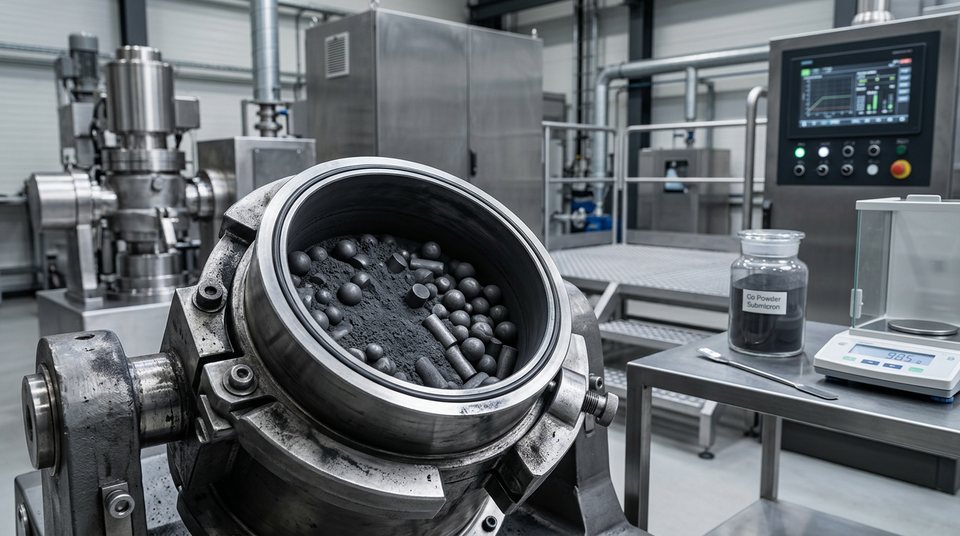
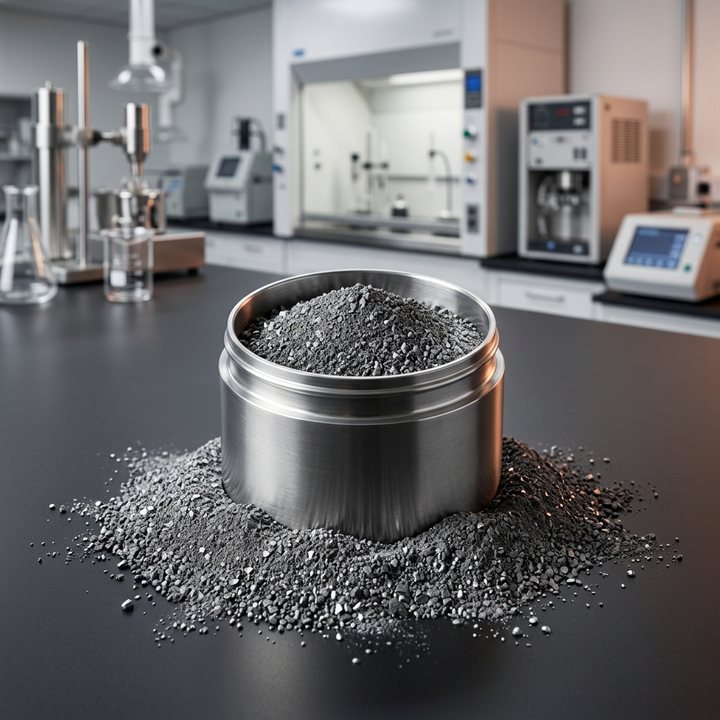
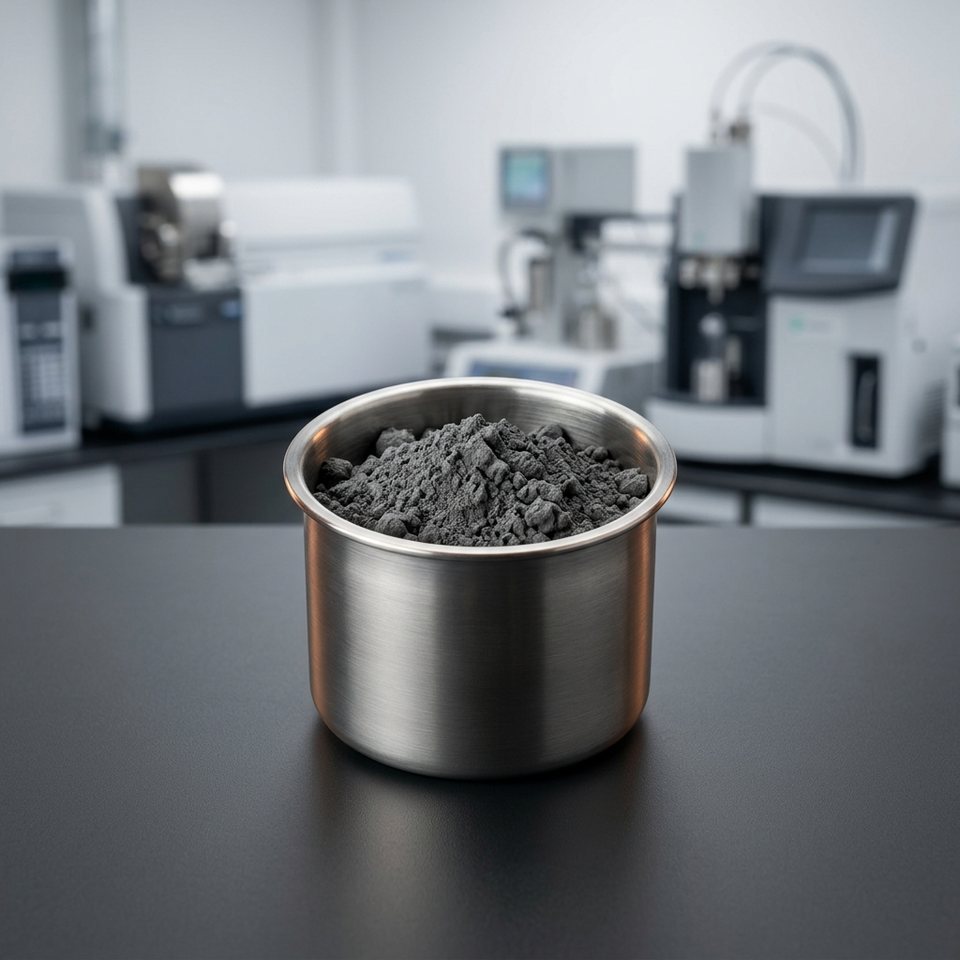
Submicron Cobalt Powder (Cemented Carbide Binder Grade) metal powder product sample

QUICK ANSWER

Performance Defined by Material and Process.

Submicron cobalt powder — FSSS 0.5-1.5 µm, high purity — is the metallic binder of the cemented carbide industry: milled with carbide powder, pressed, and sintered into cutting inserts, mining tools, and wear parts where cobalt's unique wetting of carbides creates the hardness-toughness combination no other binder matches. It is also the binder grade for diamond tools and a feedstock for cobalt chemicals and magnets.

Cobalt's role in hardmetals is irreplaceable chemistry: it wets carbide surfaces perfectly, dissolves and reprecipitates carbide during liquid-phase sintering, and yields a binder phase both strong and ductile. As carbide grains have shrunk into the ultrafine range (0.2-0.5 µm), binder powder has had to shrink with them — submicron cobalt mills faster, distributes more uniformly, and sinters at lower temperature, all of which preserve the fine carbide grain structure that modern insert grades depend on. Buyers are carbide producers purchasing on FSSS size, oxygen content (below 0.8% for submicron), and magnetic/certified purity — cobalt powder is a strategic raw material bought under long-term agreements.

MATERIAL DATA

Chemistry and Technical Performance.

Lot-level controls focus on the chemistry, particle characteristics, and process values that influence manufacturing consistency and finished-part performance.

Chemical Composition

TYPICAL
ElementContentPerformance Role
Cobalt (Co)> 99.8 wt%Binder metal — purity governs wetting and magnetic quality
Oxygen (O)< 0.8 wt% (submicron grades)Oxide inhibits milling distribution and sintering
Carbon (C)< 0.05 wt%Carbon shifts the carbide carbon balance in sintering
Nickel + iron< 0.15 wt% combinedImpurity limits per hardmetal industry practice
Other metals< 0.05 wt% combinedTrace control for magnetic and chemical grade uses

Technical Specifications

BASE GRADE
FSSS particle size
0.5-1.5 µm (standard binder grades)
Apparent density
0.5-1.2 g/cm³ grade dependent
Purity
99.8%+ metallic cobalt
Morphology
Spongy/irregular — optimal milling behavior
Magnetic
Ferromagnetic — certified by magnetic Co assay
Also available
Extra-fine 0.3-0.5 µm, coarse 2-5 µm

Final limits can be aligned with the agreed purchase specification.

APPLICATIONS

Developed for Demanding Industrial Applications.

01

Cemented carbide production consumes the majority of submicron cobalt

Cemented carbide production consumes the majority of submicron cobalt: cutting tool inserts, solid carbide drills and end mills, mining and construction tool tips, and wear parts are all carbide-cobalt composites, and every producer mills cobalt binder with carbide in their grade lines. The shift to ultrafine carbide grades for high-performance milling and micro-drilling has tightened cobalt specifications — finer, cleaner binder powder with narrow oxygen limits — making qualified submicron cobalt a supply-chain-critical material. Producers qualify suppliers across months of milling and sintering trials, then buy under annual frameworks.

02

Diamond tool manufacturing is the second pillar

Diamond tool manufacturing is the second pillar: cobalt is the classic bond for stone-cutting saw segments and core drills, wetting both diamond and the carbide/filler phases, and submicron cobalt sinters at the lower temperatures that protect diamond grit. Cobalt powder also feeds cobalt chemical production (sulfates, oxides for batteries and catalysts), magnetic materials, and sintered cobalt-chrome components — diversified demand that keeps the product strategically important beyond tooling.

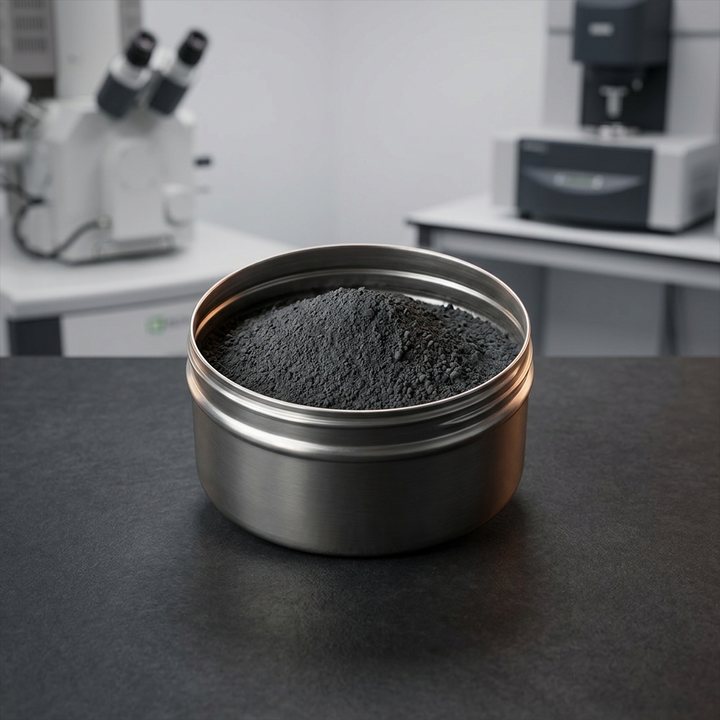
Submicron Cobalt Powder (Cemented Carbide Binder Grade) industrial application detail

CARBIDE & DIAMOND TOOL MATRIX POWDERS

CUSTOM SUPPLY

A Supply Specification Built Around Your Process.

We supply submicron cobalt in standard binder grades (FSSS 0.5-1.5 µm, O < 0.8%), extra-fine grades for ultrafine carbide lines, and coarser cuts for diamond tool bonds, with certified magnetic cobalt content and full impurity panels per lot. Stable long-term supply arrangements, trial quantities for grade development, and consistent lots backed by retained samples are standard. Cobalt is not under Chinese export control — supply is routine.

01

We supply submicron cobalt in standard binder grades (FSSS 0.5-1.5 µm, O < 0.8%), extra-fine grades for ultrafine carbide lines, and coarser cuts for diamond tool bonds, with certified magnetic cobalt content and full impurity panels per lot.

02

Stable long-term supply arrangements, trial quantities for grade development, and consistent lots backed by retained samples are standard.

03

Cobalt is not under Chinese export control — supply is routine.

MATERIAL COMPARISON

Compare Materials Against the Production Requirement.

Submicron vs Coarse (2-5 µm) Cobalt Powder

Comparison PointThis ProductCoarse Cobalt
Milling time to distributionShort — mills into blend quicklyLong — extended attrition
Sintering temperatureLower — higher activityHigher
Suitability for ultrafine gradesRequiredInadequate — coarse pools in microstructure
Oxygen sensitivityHigher surface area — needs careMore forgiving
CostPremiumLower
Best useUltrafine/submicron carbide gradesConventional grades, diamond tools

TECHNICAL FAQ

Technical Questions About This Grade.

Need a different chemistry, particle range, or processing route? Our material team can review the requirement and supply window.

What FSSS size do I need for ultrafine carbide grades?

Match binder fineness to carbide fineness — 0.2-0.5 µm carbide grades need 0.5-0.8 µm cobalt to distribute uniformly in milling and avoid binder pools. We supply matched pairs on request.

How does oxygen content affect sintering?

Oxygen consumes carbon during sintering (CO formation), shifting the critical carbon balance of the carbide grade into eta-phase or porosity territory. Submicron cobalt below 0.8% O keeps the carbon window manageable — certified per lot.

Can you support long-term supply agreements?

Yes — carbide producers buy cobalt under framework contracts, and we structure annual volumes with lot consistency guarantees and retained samples for traceability.

Is your cobalt suitable for diamond tool bonds?

Yes — the coarser 1.5-5 µm cuts serve saw segment and core drill bonds, sintering below diamond-damaging temperatures. Many customers blend our cobalt with our FeCuCo pre-alloyed matrix powders.

Is cobalt powder export-controlled from China?

No. Cobalt is not on China's export licensing lists — supply ships under standard trade terms.

REQUEST THIS GRADE

Turn Your Production Requirement Into a Powder Specification.

Share your target chemistry, particle size, process, annual volume, and destination. Our powder specialists will confirm the closest production grade and documentation package.

Talk to a Powder Specialist
Send Inquiry