Metal3DPMETAL3DP

PRODUCTION POWDER SOLUTIONS

Better Powder In. More Predictable Parts Out.

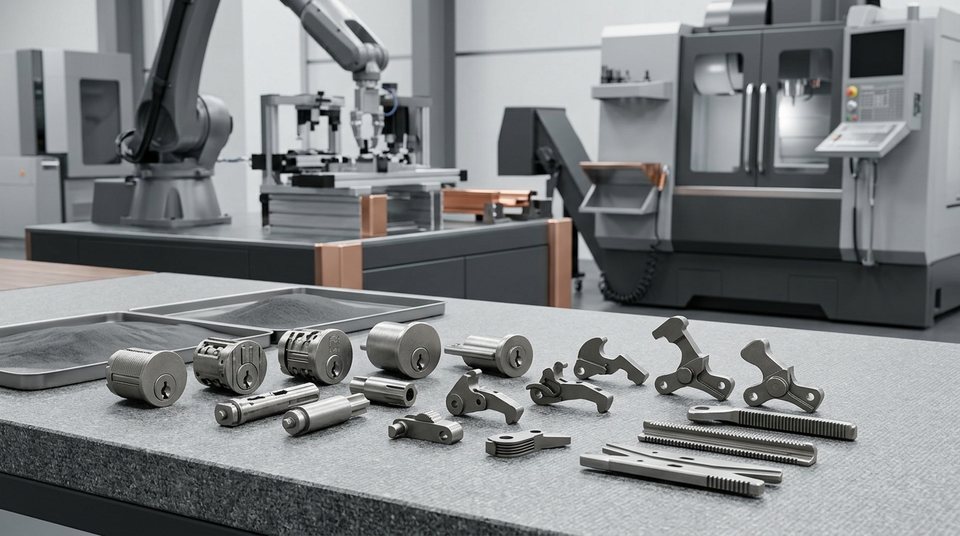
Metal powders for press-and-sinter PM and MIM programs where repeatable filling, controlled shrinkage, final density, and lot-to-lot stability determine production economics.

Press and sinter powder metallurgy components produced from controlled metal powder

BUILT AROUND YOUR PROCESS

From qualification powder to recurring production supply.

13

Relevant powder grades

2

Scalable forming routes

Lot data

Chemistry and particle control

Custom

Cuts, blends, and packaging

CHOOSE THE RIGHT FORMING ROUTE

Two Processes. One Commercial Goal: Reliable Output.

PM and MIM solve different geometry and volume problems. Powder selection should begin with the part, tooling, furnace, property target, and annual demand—not a generic grade name.

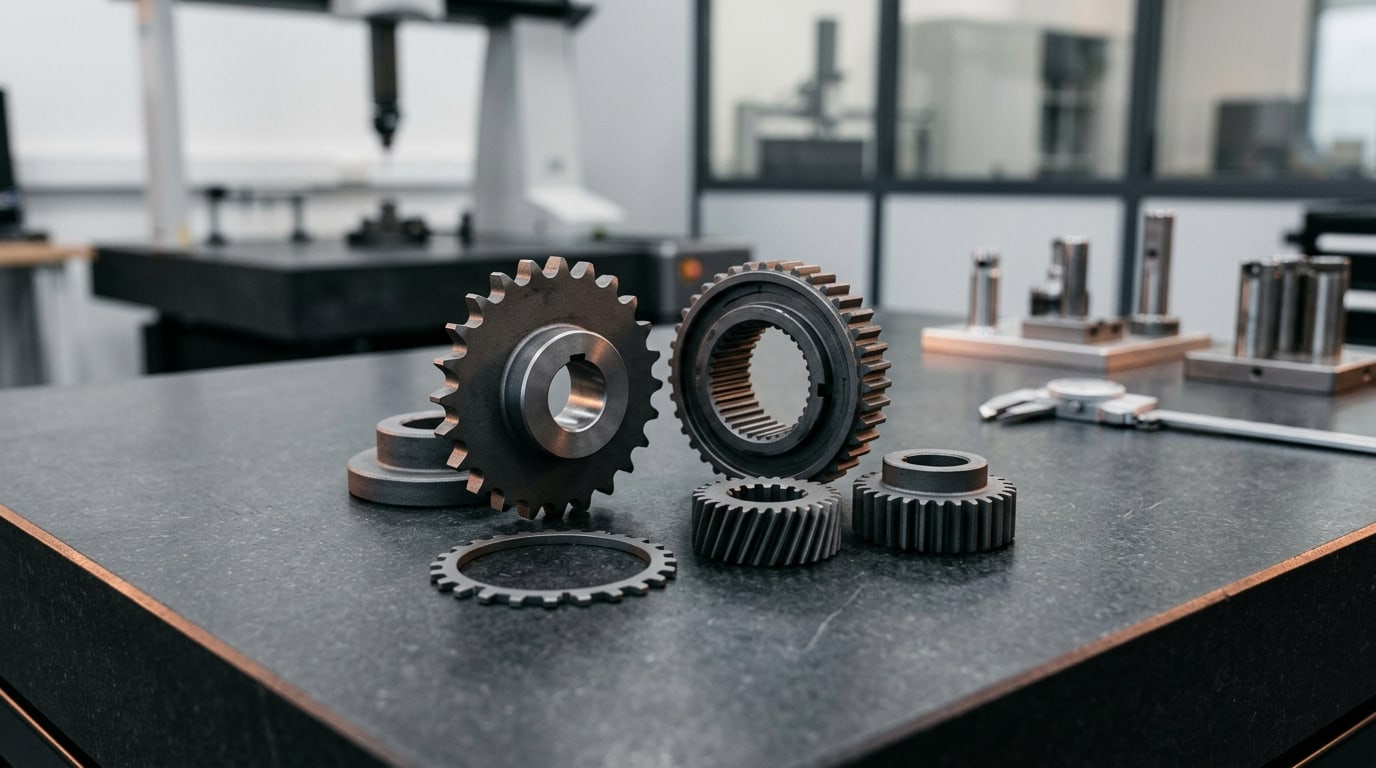
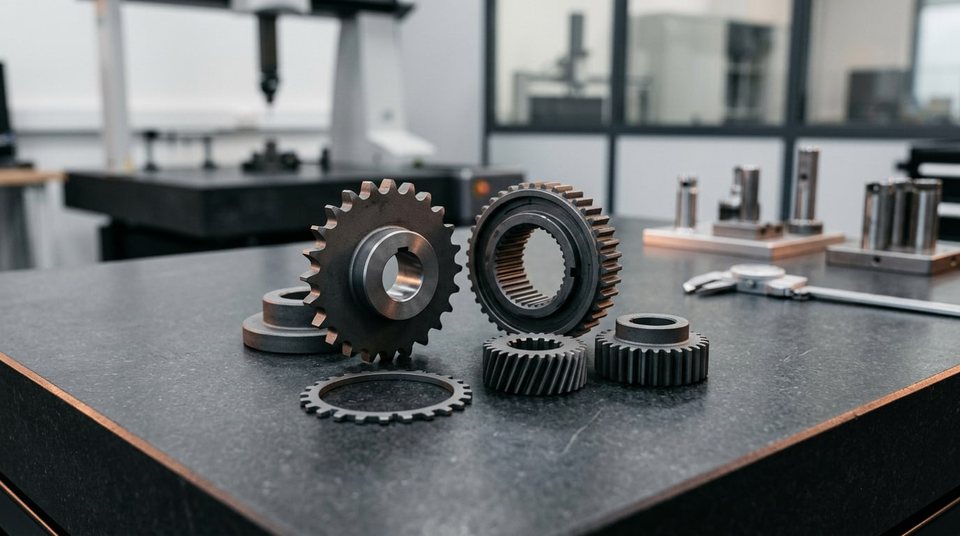
Press and sinter powder metallurgy components produced from controlled metal powder01

PRESS & SINTER PM

High-Volume Parts With Efficient Material Use.

For gears, bushings, structural components, friction parts, and porous products where pressing speed and cost per part drive the business case.

  • Compressibility and green strength matched to tooling and press conditions
  • Dimensional response controlled through sintering and heat treatment
  • Pure iron, diffusion-alloyed steel, stainless, bronze, and functional blends
View the Product Family
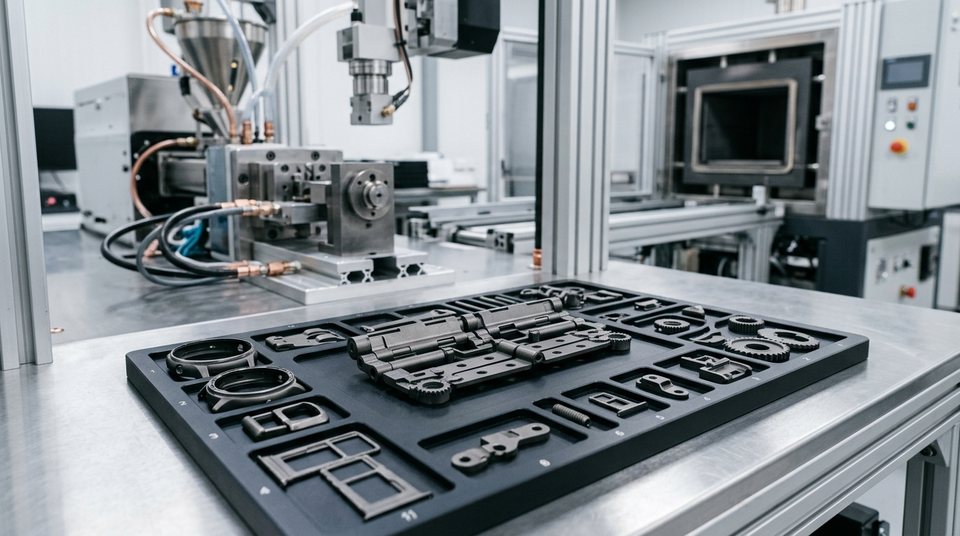
Complex precision metal injection molded components for industrial production02

METAL INJECTION MOLDING

Complex Geometry at Production Scale.

For small, intricate components that need near-net-shape economics, high density, controlled shrinkage, and repeatable mechanical performance.

  • Fine particle distributions selected for feedstock loading and mold filling
  • Chemistry and oxygen control aligned with debinding and sintering routes
  • 316L, 17-4PH, low-alloy steel, tool steel, carbonyl iron, and titanium options
View the Product Family

WHAT B2B BUYERS NEED FROM THE POWDER

Control the Variables That Become Cost on the Factory Floor.

A lower powder price does not compensate for unstable filling, furnace drift, dimensional sorting, or an interrupted production line. We focus qualification on the variables that affect total part cost.

01

Stable Filling and Feeding

Particle shape, size distribution, apparent density, and flow behavior are aligned with your press or feedstock system—not treated as isolated certificate values.

02

Predictable Dimensions

Lot consistency helps control compaction response, debinding behavior, shrinkage, and final dimensions before variation becomes scrap or sorting cost.

03

Target Density and Properties

Chemistry, oxygen, compressibility, and sintering response are connected to the density, strength, hardness, corrosion, or magnetic performance your part requires.

04

Supply That Can Scale

Sampling, qualification lots, production packaging, inspection records, and recurring delivery plans are structured around the way industrial programs ramp.

WHERE THESE POWDERS CREATE VALUE

From Million-Part Programs to Performance-Critical Components.

The best commercial fit is a part where powder processing removes machining, consolidates geometry, controls porosity, or creates repeatable properties at scale.

Precision MIM components for demanding industrial applications
01

Automotive & Mobility

Transmission components, turbo hardware, seat and lock mechanisms, sensor parts, and friction systems.

02

Industrial Machinery

Gears, sprockets, bearings, pump parts, power-tool components, and wear-resistant mechanisms.

03

Medical & Precision Devices

Surgical components, instrument jaws, housings, and corrosion-resistant miniature parts.

04

Consumer Electronics

Hinges, frames, camera hardware, wearable components, and compact magnetic geometries.

05

Energy & Fluid Handling

Valve components, fittings, porous elements, downhole hardware, and heat-resistant assemblies.

06

Security & Hardware

Lock cylinders, latches, safety mechanisms, tool components, and high-strength small parts.

A FASTER TECHNICAL CONVERSATION

What to Share for a Useful Powder Recommendation.

You do not need a finished specification to start. The information below lets our team identify the closest production grade, flag qualification risks, and respond with practical next steps.

Part and process
Drawing, mass, wall thickness, press tonnage or feedstock system
Material target
Current grade, chemistry standard, density, strength, hardness, or corrosion need
Powder window
Particle range, morphology, flow, apparent density, oxygen, and existing limits
Program scale
Trial quantity, annual demand, packing format, destination, and qualification timing

FROM REQUIREMENT TO QUALIFIED POWDER

Reduce Qualification Guesswork Before the Next Production Trial.

Share the part, process, current powder, performance target, and annual demand. We will map the closest grade and the data needed to evaluate it.

Start a PM / MIM Inquiry
Send Inquiry