Metal3DPMETAL3DP
METAL INJECTION MOLDING (MIM) POWDERSTECHNICAL PRODUCT DATA

Ti6Al4V Titanium MIM Powder

Fine spherical Ti6Al4V MIM powder, O < 0.20%, sintered strength > 830 MPa. Grade 5 and ELI Grade 23. Vacuum-sealed lots with full interstitial certification.

Particle size (D90)
< 45 µm (finer cuts available)
Morphology
Spherical (gas/plasma atomized)
Tap density
> 2.8 g/cm³
Sintered density
> 95% theoretical
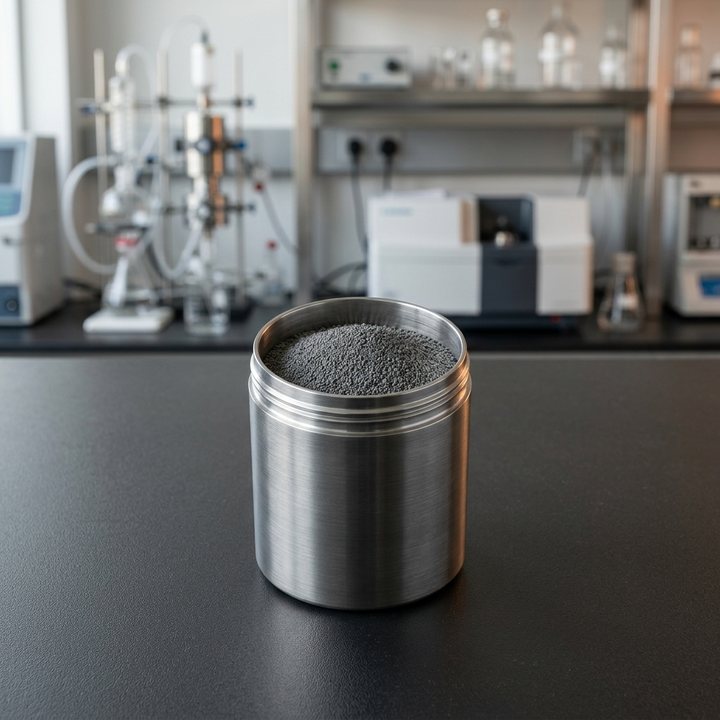
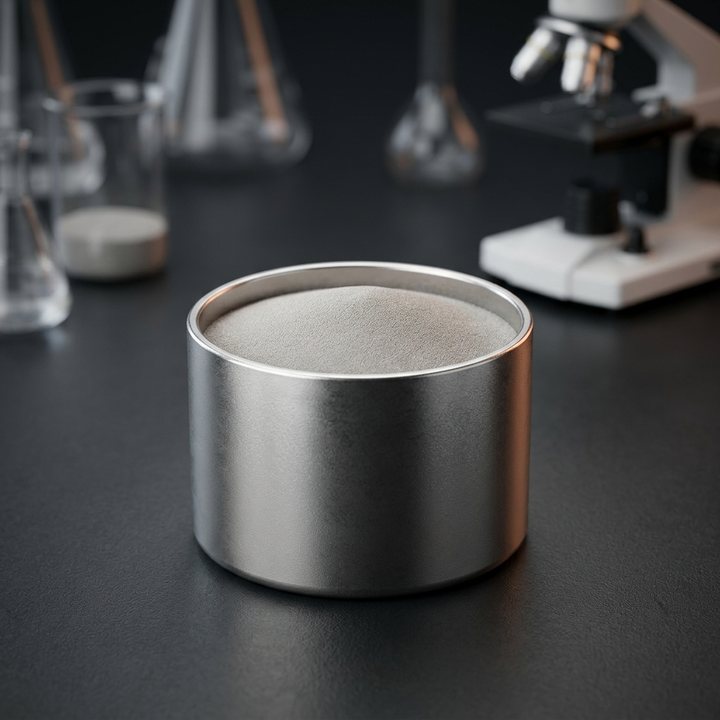
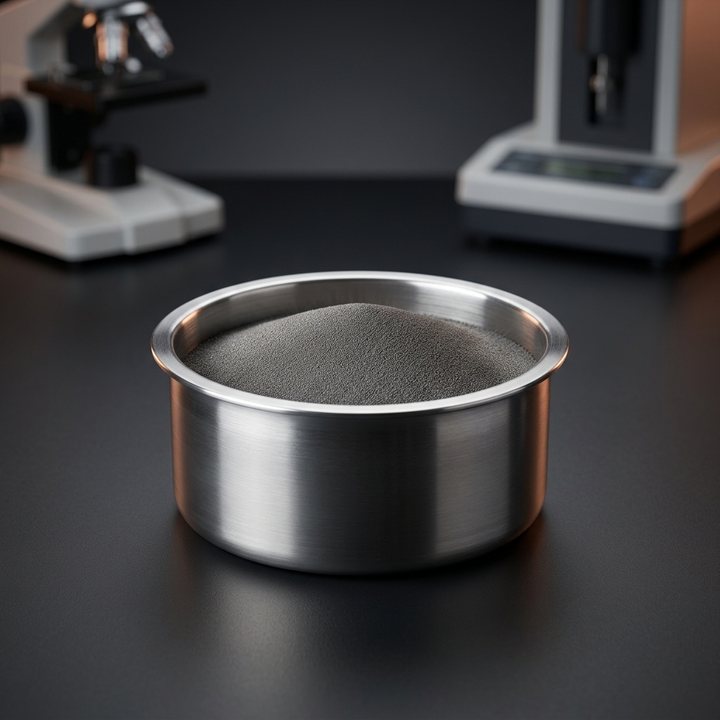
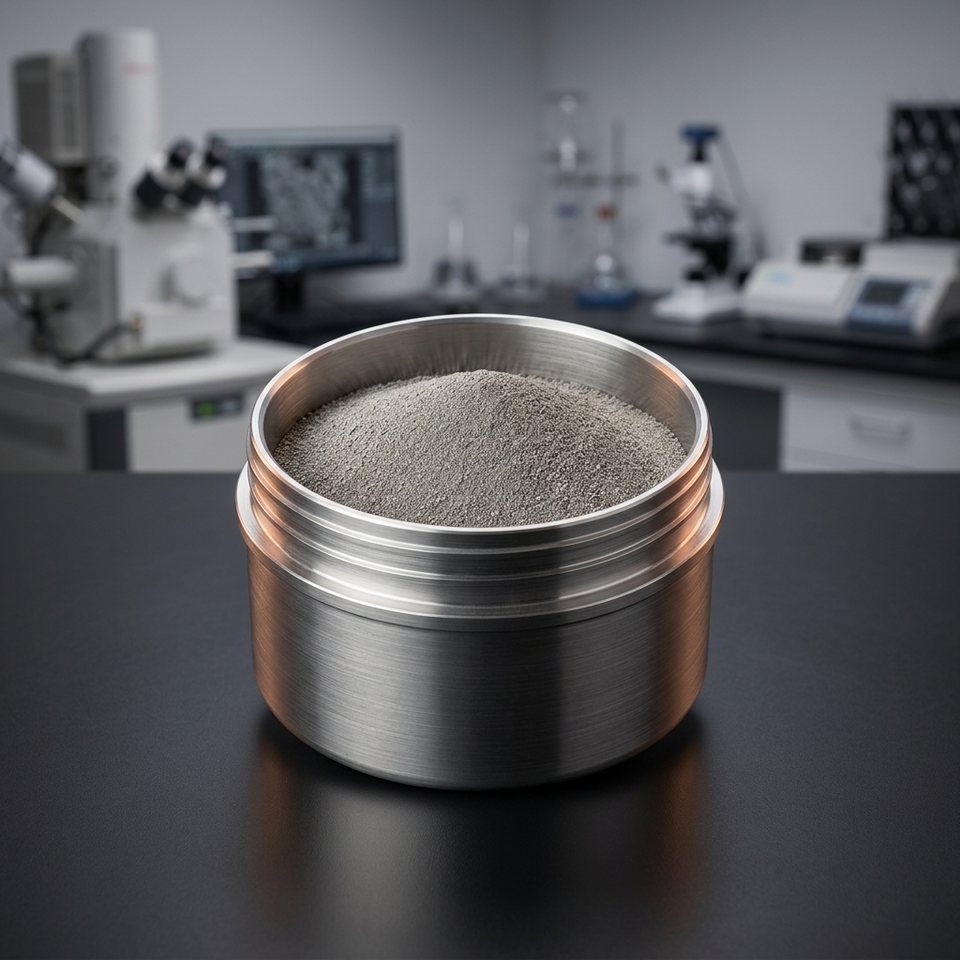
Ti6Al4V Titanium MIM Powder metal powder product sample

QUICK ANSWER

Performance Defined by Material and Process.

Ti6Al4V titanium MIM powder is a fine (D90 < 45 µm), low-oxygen titanium alloy powder engineered for metal injection molding of small, complex titanium parts — watch components, medical implants and instruments, eyeglass frames, and aerospace clips. It combines the alloy's benchmark strength-to-weight ratio (density 4.43 g/cm³) and biocompatibility with MIM's ability to shape titanium without its notorious machining cost.

Titanium MIM is a premium niche: the powder costs several times more than stainless MIM grades, and processing demands vacuum or high-purity argon throughout because titanium picks up oxygen and nitrogen aggressively at sintering temperatures. The payoff is parts that are effectively impossible to make economically any other way — small, complex, biocompatible, and strong. For buyers, interstitial content (O, N, H) is the make-or-break specification: every 100 ppm of oxygen costs measurable ductility.

MATERIAL DATA

Chemistry and Technical Performance.

Lot-level controls focus on the chemistry, particle characteristics, and process values that influence manufacturing consistency and finished-part performance.

Chemical Composition

TYPICAL
ElementContentPerformance Role
Aluminum (Al)5.5-6.75 wt%Alpha stabilizer; raises strength and reduces density
Vanadium (V)3.5-4.5 wt%Beta stabilizer; enables the two-phase structure that gives Ti6Al4V its balanced properties
Oxygen (O)< 0.20 wt%Critical interstitial — higher oxygen raises strength but destroys ductility
Iron (Fe)< 0.30 wt%Impurity limit per ASTM F2885/Grade 5 requirements
Titanium (Ti)BalanceHCP/BCC matrix providing biocompatibility and corrosion immunity

Technical Specifications

BASE GRADE
Particle size (D90)
< 45 µm (finer cuts available)
Morphology
Spherical (gas/plasma atomized)
Tap density
> 2.8 g/cm³
Sintered density
> 95% theoretical
Tensile strength (sintered)
> 830 MPa
Sintering atmosphere
High vacuum (< 10⁻³ mbar) or ultra-pure argon
Typical sintering
1250-1350 °C

Final limits can be aligned with the agreed purchase specification.

APPLICATIONS

Developed for Demanding Industrial Applications.

01

Medical is the highest-value application

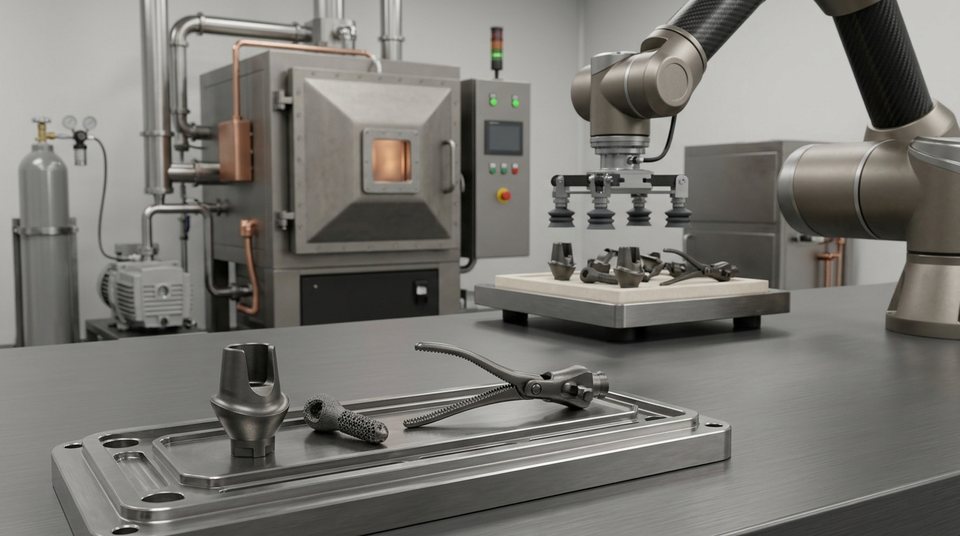
Medical is the highest-value application: surgical instrument components, dental implant accessories, orthopedic trial components, and endoscopic parts all exploit Ti6Al4V's biocompatibility (ISO 5832-3 chemistry) and the ability to mold features like sintered-porous gripping surfaces or thin flexible sections directly into the part. Buyers in this space require full traceability, often dual certification to medical standards, and interstitial guarantees — this is a specification-driven market where the certificate matters as much as the powder.

02

Consumer and aerospace applications follow

Consumer and aerospace applications follow: premium watch cases and clasps, eyeglass hinge components, bicycle fittings, drone and UAV structural clips, and small aerospace brackets. Here the argument is weight and corrosion immunity at complex geometry. A molded titanium hinge component replacing a machined one can cut cost by 60 percent at volume while eliminating the galling and tool-wear problems that make titanium machining expensive in the first place.

Ti6Al4V Titanium MIM Powder industrial application detail

METAL INJECTION MOLDING (MIM) POWDERS

CUSTOM SUPPLY

A Supply Specification Built Around Your Process.

We supply Ti6Al4V MIM powder in the standard D90 < 45 µm cut and finer D90 < 32 µm cuts for high-detail feedstocks, with certified interstitial content per lot and vacuum-sealed, argon-flushed packaging to prevent pickup in storage. Custom oxygen ceilings for extra-ductility applications, Grade 23 (ELI) chemistry on request, and sintering process support are part of the standard offer. Ti6Al4V powder is not export-controlled from China.

01

We supply Ti6Al4V MIM powder in the standard D90 < 45 µm cut and finer D90 < 32 µm cuts for high-detail feedstocks, with certified interstitial content per lot and vacuum-sealed, argon-flushed packaging to prevent pickup in storage.

02

Custom oxygen ceilings for extra-ductility applications, Grade 23 (ELI) chemistry on request, and sintering process support are part of the standard offer.

03

Ti6Al4V powder is not export-controlled from China.

MATERIAL COMPARISON

Compare Materials Against the Production Requirement.

Ti6Al4V MIM vs 316L MIM Powder

Comparison PointThis Product316L MIM Powder
Density4.43 g/cm³ — 44% lighter7.9 g/cm³
Strength-to-weightOutstandingModerate
BiocompatibilityExcellent — implant grade chemistryGood — widely used but Ni release concerns
Powder cost3-5x stainless gradesBaseline
Processing difficultyHigh — vacuum/argon mandatoryModerate — hydrogen furnaces suffice
Typical buyerMedical, aerospace, premium consumerGeneral corrosion-resistant parts

TECHNICAL FAQ

Technical Questions About This Grade.

Need a different chemistry, particle range, or processing route? Our material team can review the requirement and supply window.

Why is vacuum sintering mandatory?

Titanium reacts with oxygen, nitrogen, and hydrogen at sintering temperatures, forming brittle surface layers and raising interstitial content. High vacuum or gettered ultra-pure argon keeps interstitials within specification and preserves ductility.

What is the difference between Grade 5 and Grade 23?

Grade 23 (ELI — extra low interstitials) holds oxygen below 0.13 percent for maximum ductility and fracture toughness, typically required for implants. We supply both; Grade 23 commands a premium.

Can titanium MIM parts be HIPped?

Yes — hot isostatic pressing after sintering closes residual porosity and brings fatigue performance close to wrought. It is standard practice for aerospace and fatigue-critical medical parts.

How should I store titanium MIM powder?

In the original vacuum-sealed or argon-flushed containers, cool and dry. Once opened, use promptly or re-backfill with argon — titanium powder surface area makes it sensitive to atmospheric pickup over time.

Is Ti6Al4V powder export-controlled from China?

No. Titanium alloy powders are not on Chinese export control lists and ship under standard commercial documentation.

REQUEST THIS GRADE

Turn Your Production Requirement Into a Powder Specification.

Share your target chemistry, particle size, process, annual volume, and destination. Our powder specialists will confirm the closest production grade and documentation package.

Talk to a Powder Specialist
Send Inquiry