Metal3DPMETAL3DP
METAL INJECTION MOLDING (MIM) POWDERSTECHNICAL PRODUCT DATA

316L Stainless Steel MIM Powder (D90 < 22 µm)

D90 < 22 µm

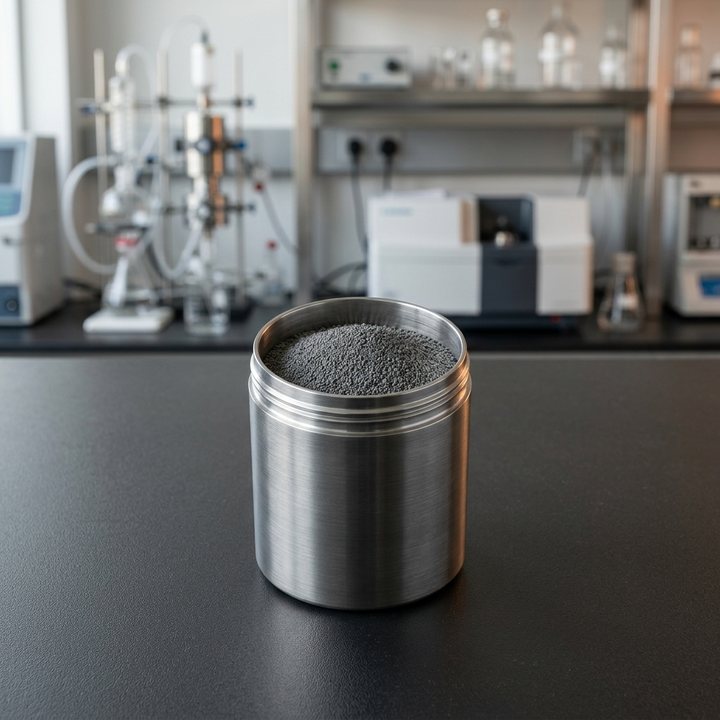
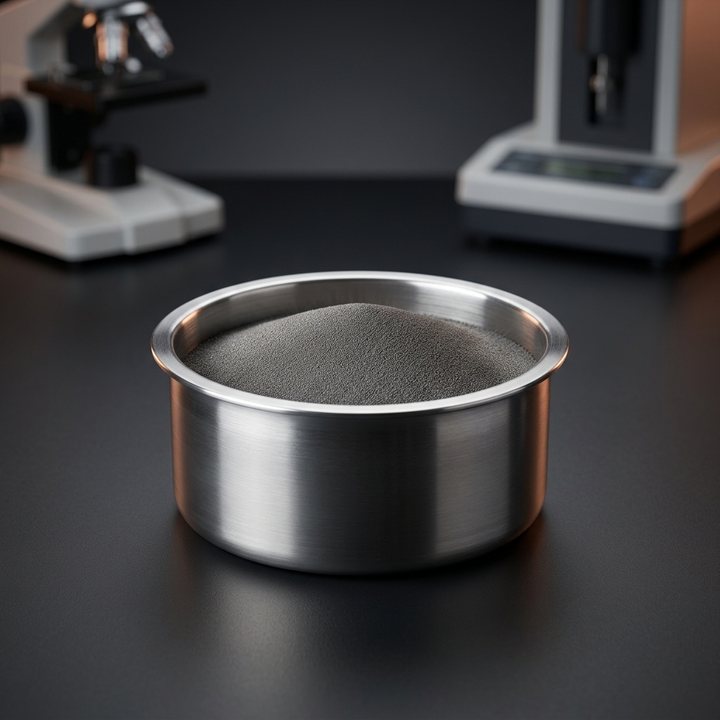
High-flow 316L stainless MIM powder, D90 < 22 µm, O < 800 ppm, sintered density > 7.6 g/cm³. Custom cuts for catalytic, solvent and water-based feedstock systems. Request a quote.

Particle size (D90)
< 22 µm
Particle morphology
Spherical, gas atomized
Apparent density
> 2.4 g/cm³
Tap density
> 4.6 g/cm³
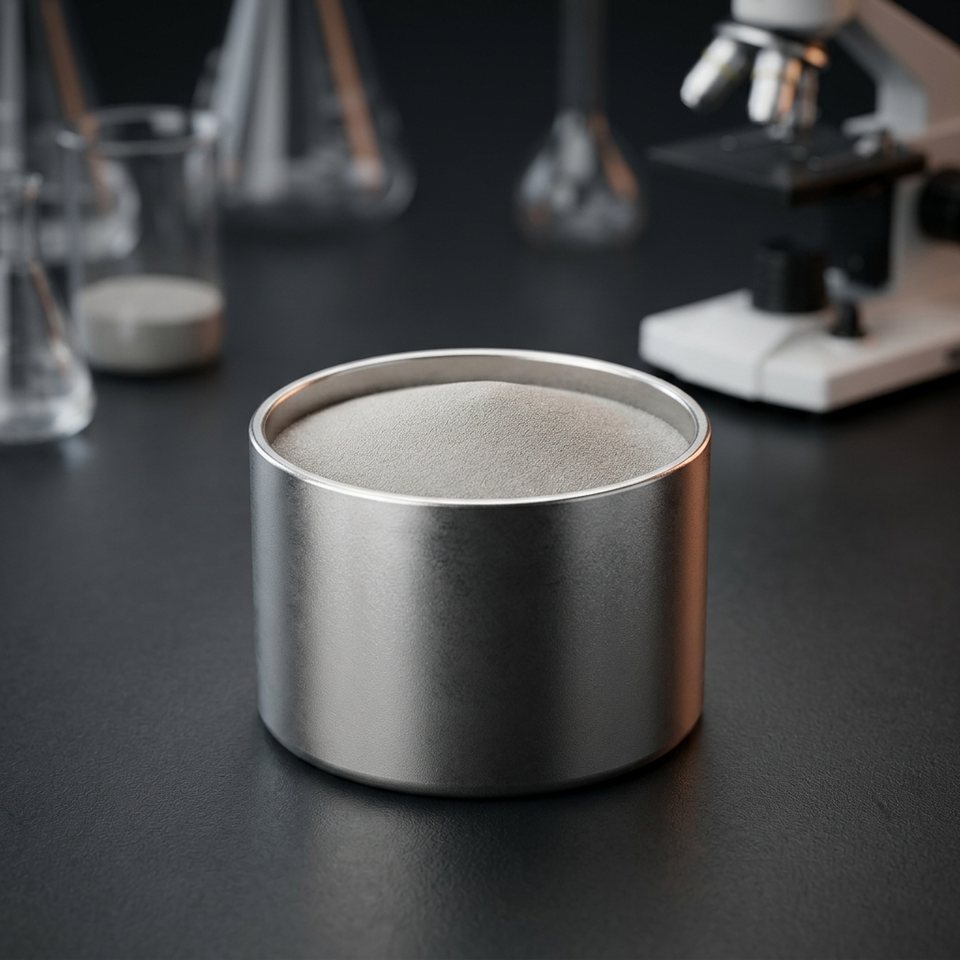
316L Stainless Steel MIM Powder (D90 < 22 µm) metal powder product sample

QUICK ANSWER

Performance Defined by Material and Process.

316L MIM powder is a gas-atomized, extra-low-carbon austenitic stainless powder with a D90 below 22 microns and excellent flowability, formulated for metal injection molding of small, complex corrosion-resistant parts such as watch cases, smartphone hinges, medical device housings, and fluid fittings. It sinters to densities above 7.6 g/cm³ and delivers corrosion resistance comparable to wrought 316L bar.

This is the highest-volume MIM powder in the global market and the reference grade against which every other feedstock is judged. Its gas-atomized spherical morphology gives tap densities above 4.6 g/cm³, which means high powder loading in the feedstock, low binder content, and therefore predictable shrinkage of roughly 15 percent per axis during sintering. For buyers, the critical quality markers are oxygen content below 800 ppm, narrow particle size distribution, and lot-to-lot chemistry consistency, because these three parameters determine sintered density and mechanical property scatter more than any furnace setting.

MATERIAL DATA

Chemistry and Technical Performance.

Lot-level controls focus on the chemistry, particle characteristics, and process values that influence manufacturing consistency and finished-part performance.

Chemical Composition

TYPICAL
ElementContentPerformance Role
Chromium (Cr)16.0-18.0 wt%Forms the passive chromium oxide film responsible for corrosion resistance in chloride and acid environments
Nickel (Ni)10.0-14.0 wt%Stabilizes the austenitic structure, ensuring ductility, toughness, and non-magnetic behavior after sintering
Molybdenum (Mo)2.0-3.0 wt%Raises pitting and crevice corrosion resistance, especially in marine and chemical service
Carbon (C)< 0.03 wt%Kept extra low to prevent chromium carbide precipitation and intergranular corrosion after sintering
Oxygen (O)< 0.08 wt%Atomization-related pickup; low oxygen preserves sinterability and final part toughness

Technical Specifications

BASE GRADE
Particle size (D90)
< 22 µm
Particle morphology
Spherical, gas atomized
Apparent density
> 2.4 g/cm³
Tap density
> 4.6 g/cm³
Hall flow rate
< 22 s / 50 g
Sintered density
> 7.6 g/cm³ (96%+ theoretical)
Typical sintering
1350-1390 °C, hydrogen or high vacuum

Final limits can be aligned with the agreed purchase specification.

APPLICATIONS

Developed for Demanding Industrial Applications.

01

In consumer electronics, 316L MIM powder

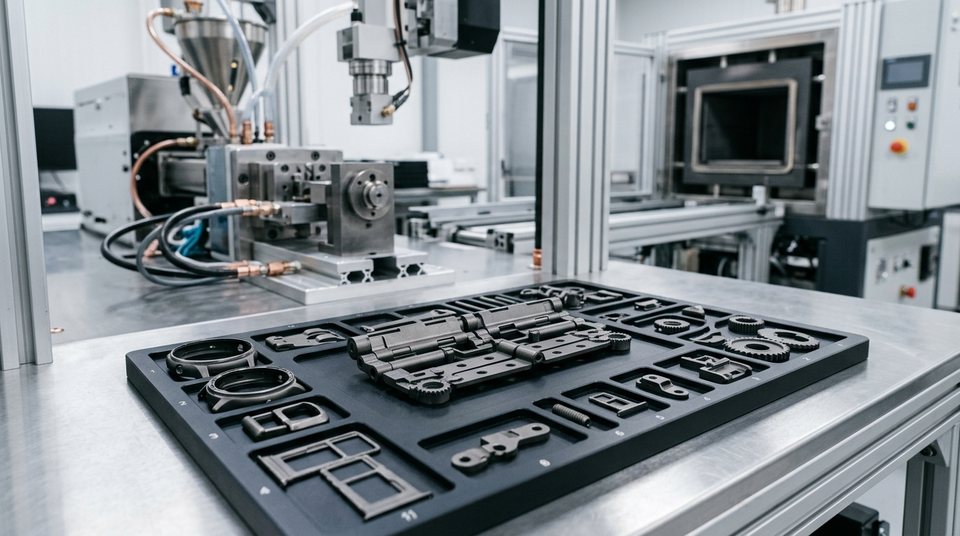
In consumer electronics, 316L MIM powder is the standard feedstock for parts that combine cosmetic surfaces with structural duty: folding-phone hinge components, smartwatch cases and buckles, camera rings, and SIM trays. These parts are molded at quantities of hundreds of thousands per month, and the powder's flowability directly determines mold filling consistency in cavities with wall thicknesses below 0.4 mm. Producers choose D90 below 22 microns not for sintering speed but for surface finish — finer powders yield as-sintered roughness around Ra 1.6-3.2 µm, cutting downstream polishing cost dramatically.

02

Additional Applications

In medical and fluid-handling industries, the same grade feeds dental brackets, surgical instrument jaws, endoscopic components, and small valve fittings. Here the purchase driver shifts from cosmetics to certification: buyers require full traceability of heat numbers, oxygen and carbon control per lot, and often ISO 13485-aligned production from their powder supplier. The low carbon content is essential in these applications because any sensitization during the long sintering cycle would compromise corrosion performance in body-fluid or sterilization environments.

316L Stainless Steel MIM Powder (D90 < 22 µm) industrial application detail

METAL INJECTION MOLDING (MIM) POWDERS

CUSTOM SUPPLY

A Supply Specification Built Around Your Process.

We supply 316L MIM powder in standard cuts (90 percent below 22 µm, or 80 percent below 16 µm for ultra-fine feedstock) and can tailor the size distribution to your binder system — catalytic debinding systems tolerate slightly broader distributions, while solvent and water-based systems run best on narrow cuts. Custom oxygen ceilings, tighter Cr/Ni ratio windows for specific corrosion specifications, and pre-mixed feedstock masterbatches are available. Packaging runs from 5 kg laboratory quantities to 25 kg nitrogen-flushed drums and 500 kg intermediate bulk containers, with full chemistry, particle size, and flow data per lot.

01

We supply 316L MIM powder in standard cuts (90 percent below 22 µm, or 80 percent below 16 µm for ultra-fine feedstock) and can tailor the size distribution to your binder system — catalytic debinding systems tolerate slightly broader distributions, while solvent and water-based systems run best on narrow cuts.

02

Custom oxygen ceilings, tighter Cr/Ni ratio windows for specific corrosion specifications, and pre-mixed feedstock masterbatches are available.

03

Packaging runs from 5 kg laboratory quantities to 25 kg nitrogen-flushed drums and 500 kg intermediate bulk containers, with full chemistry, particle size, and flow data per lot.

MATERIAL COMPARISON

Compare Materials Against the Production Requirement.

316L MIM Powder vs 17-4PH MIM Powder

Comparison PointThis Product17-4PH MIM Powder
Corrosion resistanceExcellent — superior in chlorides, acids, marine exposureGood — adequate for mild environments, below 316L
Tensile strength (as-sintered)~500 MPa~900-1100 MPa after H900 aging
Hardness~65-70 HRB30-40 HRC after aging
Magnetic behaviorEssentially non-magneticMagnetic (martensitic)
Heat treatmentNone required — properties as-sinteredRequires aging cycle to develop strength
Typical use caseCorrosion-exposed cosmetic and fluid partsHigh-strength structural parts, locks, firearm components

TECHNICAL FAQ

Technical Questions About This Grade.

Need a different chemistry, particle range, or processing route? Our material team can review the requirement and supply window.

What sintering atmosphere does 316L MIM powder require?

Hydrogen or high vacuum at 1350-1390 °C. Hydrogen gives the fastest carbon-oxygen reduction and is standard for high-volume production; vacuum is preferred when the furnace also runs titanium or when residual carbon control is critical.

How much shrinkage should I design for?

Typically 15-16 percent linear, depending on powder loading. Higher tap density lots allow higher loading and slightly lower, more predictable shrinkage — always run your mold flow and sintering trials on the exact lot chemistry.

Can you supply powder matched to my existing feedstock binder?

Yes. Provide your binder system type (catalytic, solvent, or water-based) and target powder loading, and we will select the size cut and surface condition that matches — or produce a trial batch for feedstock validation.

What is the difference between MIM-grade and binder-jetting 316L?

MIM grade is finer (D90 < 22 µm vs ~30-45 µm) and optimized for feedstock flow; binder jetting grades prioritize spreadability and green strength of printed parts. Using the wrong cut in either process degrades density.

Is your 316L MIM powder subject to Chinese export controls?

No. 316L stainless steel powder is not on any Chinese export control list; it ships under normal commercial documentation with standard lead times.

REQUEST THIS GRADE

Turn Your Production Requirement Into a Powder Specification.

Share your target chemistry, particle size, process, annual volume, and destination. Our powder specialists will confirm the closest production grade and documentation package.

Talk to a Powder Specialist
Send Inquiry