
Relevant Electrical or Magnetic Data
Material selection is anchored to the frequency, field, temperature, conductivity, or shielding conditions used in the product.
FUNCTIONAL POWDER SOLUTIONS
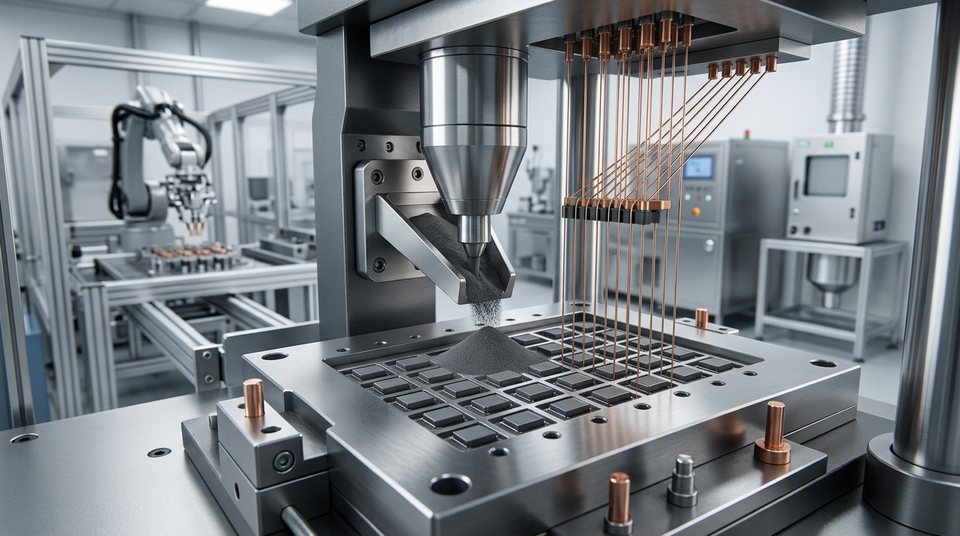
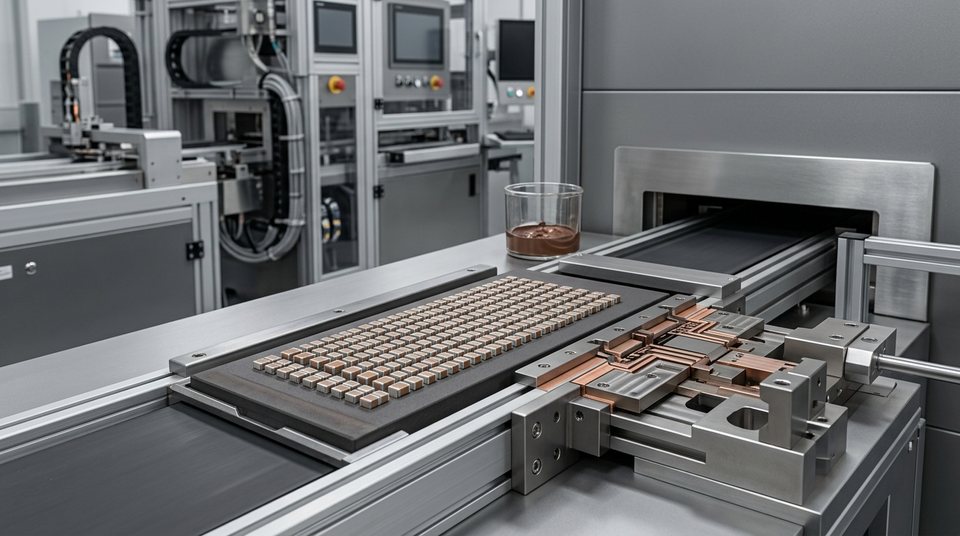
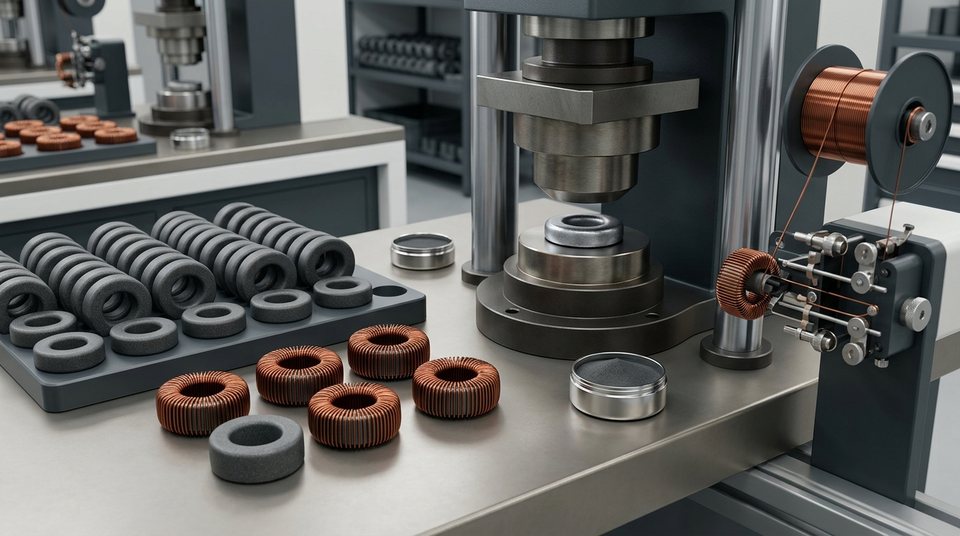
Magnetic and conductive powders engineered around core loss, permeability, saturation, conductivity, dispersion, oxidation, and the production route used to turn powder into a functional component.
BUILT AROUND THE APPLICATION
Material selection connected to process stability, finished performance, and production-scale supply.
10
Relevant powder grades
Magnetic + conductive
Two functional material systems
Application data
Loss, permeability, conductivity
Surface control
Insulation, passivation, dispersion
APPLICATION ROUTES
The same nominal material can behave differently across equipment, process windows, and finished-part requirements. Start with how the powder will be used.
WHAT FUNCTIONAL MATERIAL BUYERS NEED
A single room-temperature value rarely predicts production performance. Frequency, field, temperature, compaction, binder, curing, and geometry all matter.
Material selection is anchored to the frequency, field, temperature, conductivity, or shielding conditions used in the product.
Morphology, distribution, insulation, passivation, and surface treatment are aligned with mixing, molding, printing, or pressing.
Flow, dispersion, packing, oxidation, annealing, and curing behavior are reviewed before they become yield loss.
Lot consistency and traceable data support electronics and magnetics programs where supplier changes are expensive.
RECOMMENDED POWDERS
These grades are practical commercial starting points. Final chemistry, particle range, surface condition, packing, and documentation can be aligned with your process.
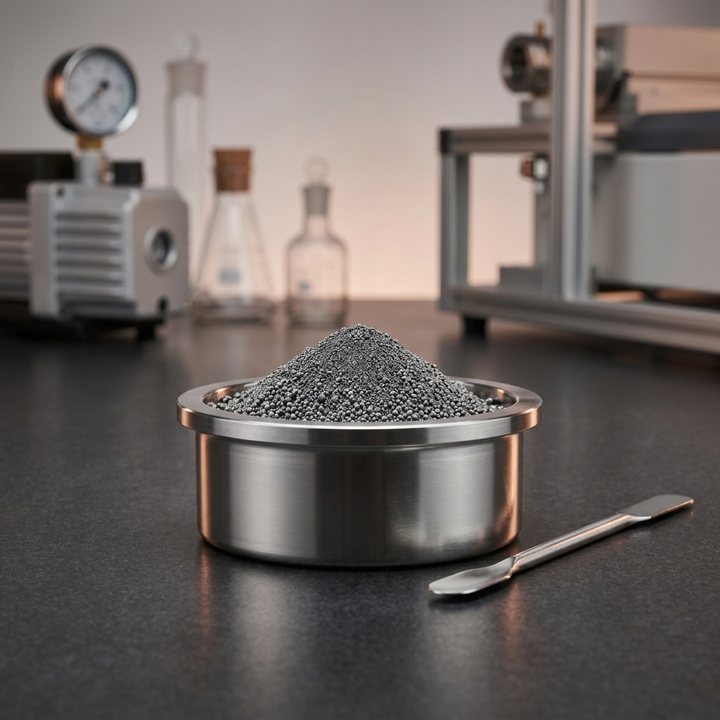
Spherical FeSiCr powder, D50 10-25µm, for MHz molded power inductors. Cr-passivated for 85/85 humidity life. Custom Si/Cr ratios and coated grades.
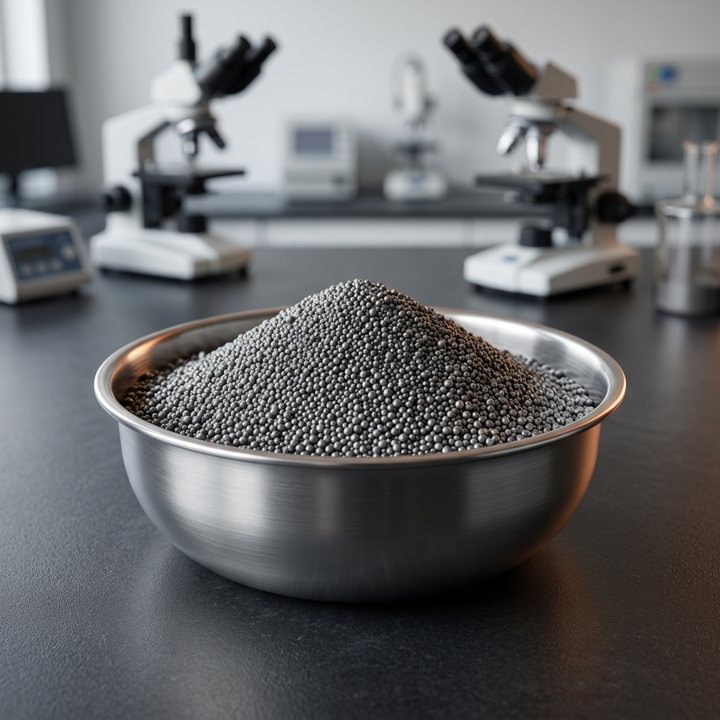
Gas-atomized sendust (Fe-9.6Si-5.4Al) powder for 26-125µ power cores. 1.05T saturation, low loss to 200 kHz, certified lot core-loss data. EV charger and solar inductor grades.
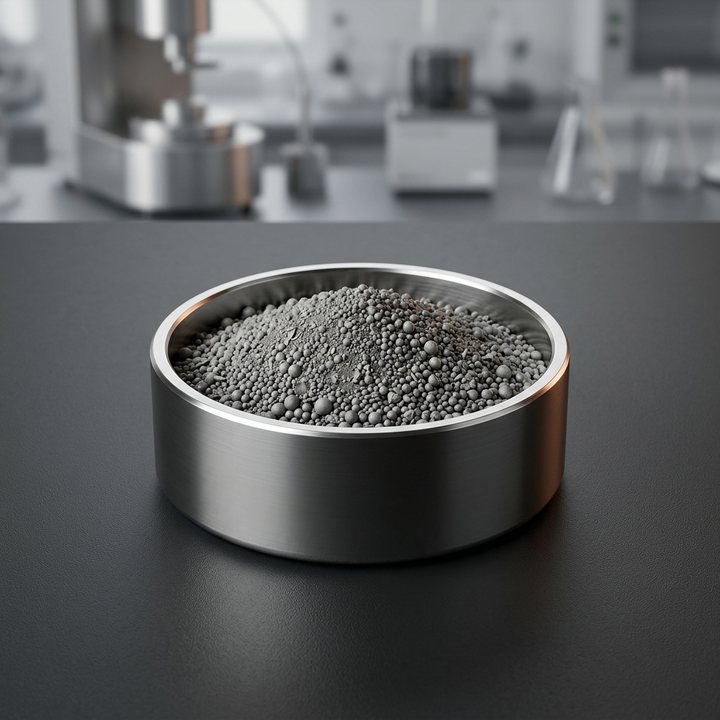
Amorphous and nanocrystalline (FeSiBPCu) powder for 5-500 kHz inductors, wireless charging and EMI cores. XRD-certified amorphous fraction, lot loss data, no rare earths.
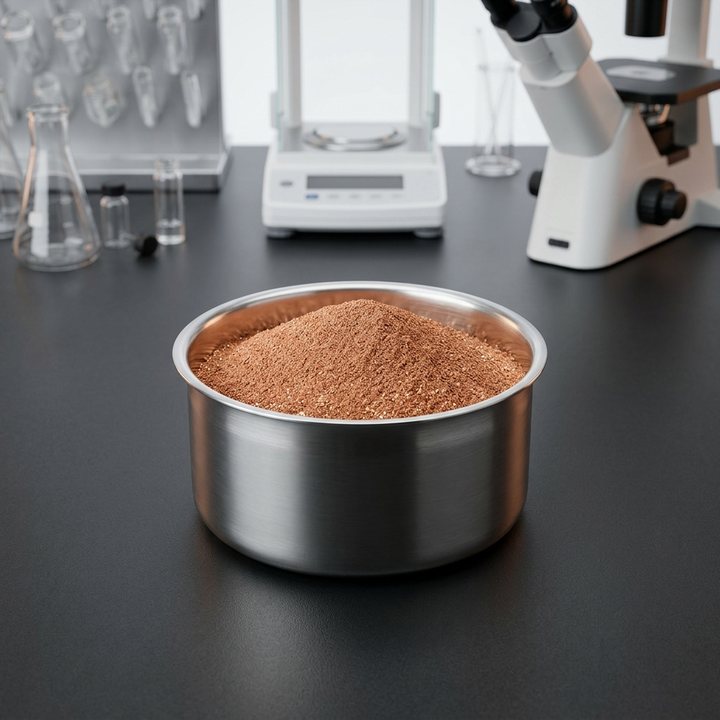
Paste-grade Cu powder 0.5-10µm spherical and 5-25µm flake, O < 0.3-0.5%, surface-treated, tap density > 4.5. Silver-free metallization for MLCC, LTCC, solar and printed electronics.
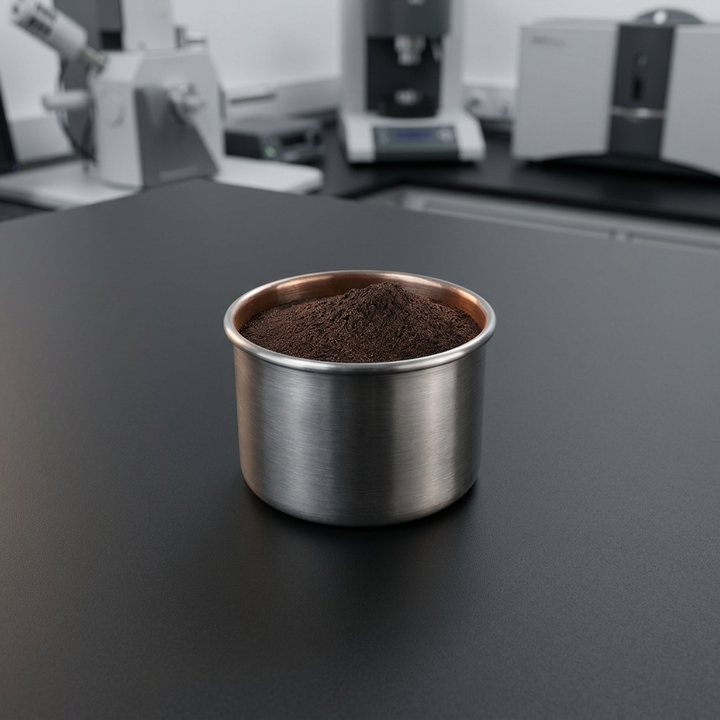
Passivated nano Cu powder, D50 20-200nm, sinters at 150-300°C or photonic flash to 3-6x bulk resistivity. Inkjet-stable distributions, custom passivation, R&D to production volumes.
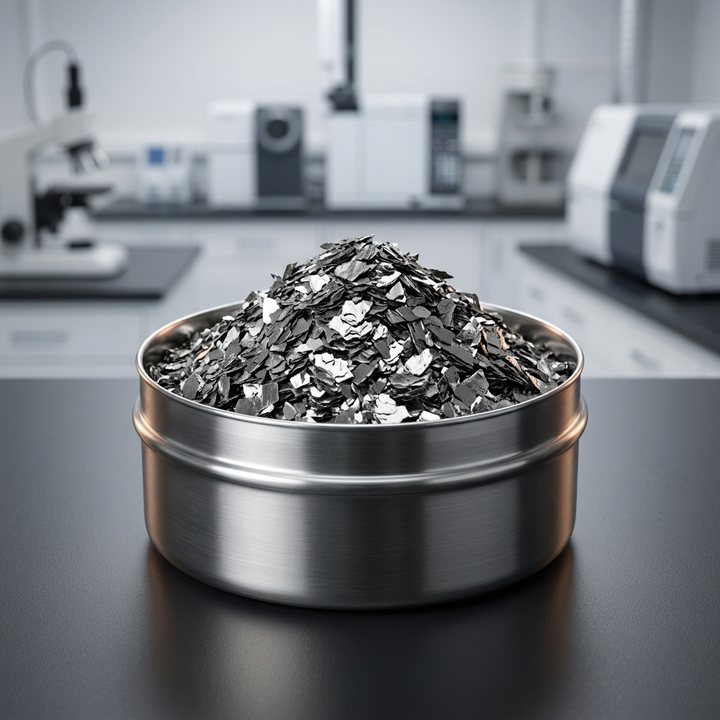
Ni flake 5-30µm, aspect 15-50:1, 60-90dB reference shielding in silicone gaskets. Aerospace-grade corrosion stability on Al, filamentary variants for plastics. Lot SE certification.
This application currently includes 10 relevant grades across the connected product families.
Browse the Full Product Portfolio ↗WHERE THESE POWDERS CREATE VALUE
The most useful material recommendation connects powder behavior to equipment, production economics, and the component's real service environment.
Inductors, transformers, PFC stages, server power, renewable-energy conversion, and charging systems.
Auxiliary motors, power modules, radar shielding, onboard charging, DC-DC conversion, and sensors.
Molded inductors, wireless charging, compact shielding, printed antennas, and wearable devices.
High-frequency power, base-station shielding, server magnetics, and signal-integrity components.
RFID, NFC, heaters, sensors, flexible traces, and additive electronic interconnects.
Motors, actuators, magnetic sensors, EMI gaskets, drives, and automation electronics.
A FASTER TECHNICAL CONVERSATION
You do not need a finished specification to start. These inputs let our team identify relevant grades, flag risks, and respond with practical next steps.
FROM REQUIREMENT TO QUALIFIED POWDER
Share the component, frequency or conductivity target, forming or printing process, test method, and annual demand. We will identify the closest functional powder system.