Metal3DPMETAL3DP
ELECTRONIC PASTE & CONDUCTIVE METAL POWDERSTECHNICAL PRODUCT DATA

Conductive Copper Powder (Spherical & Flake, Paste Grade)

Spherical & Flake, Paste Grade

Paste-grade Cu powder 0.5-10µm spherical and 5-25µm flake, O < 0.3-0.5%, surface-treated, tap density > 4.5. Silver-free metallization for MLCC, LTCC, solar and printed electronics.

Spherical cuts
0.5-1, 1-3, 3-5, 5-10 µm
Flake grades
5-25 µm, aspect ratio 10-40:1
Tap density
> 4.5 g/cm³ (spherical paste grade)
Cured resistivity
3-10 µΩ·cm (polymer), near-bulk (fired)
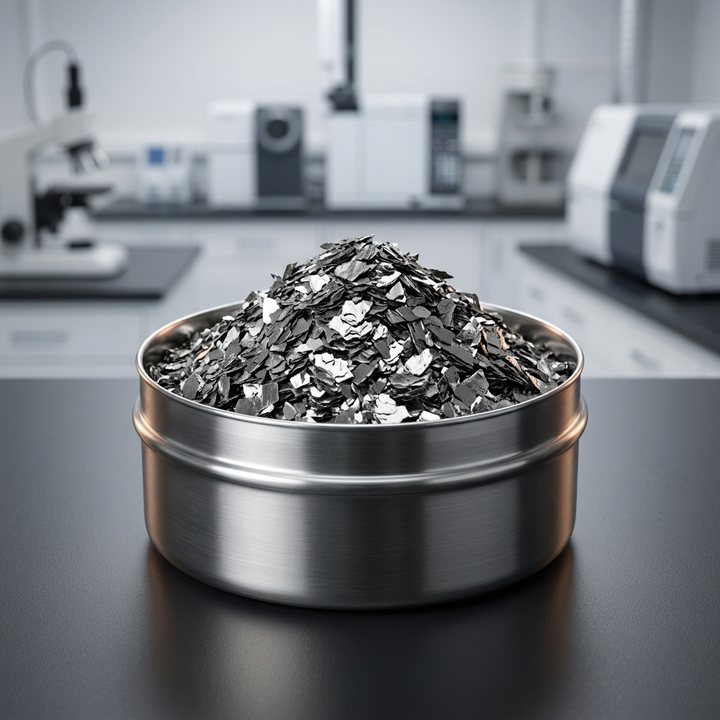
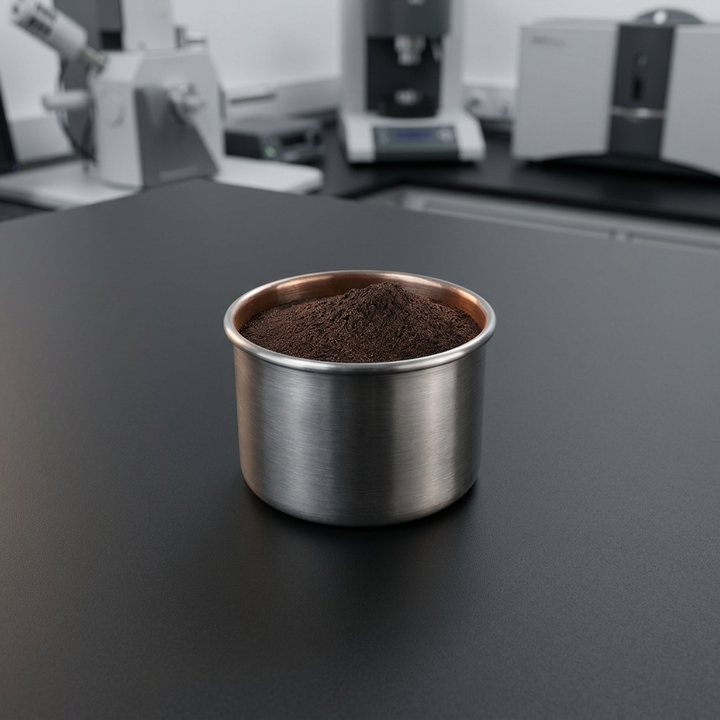
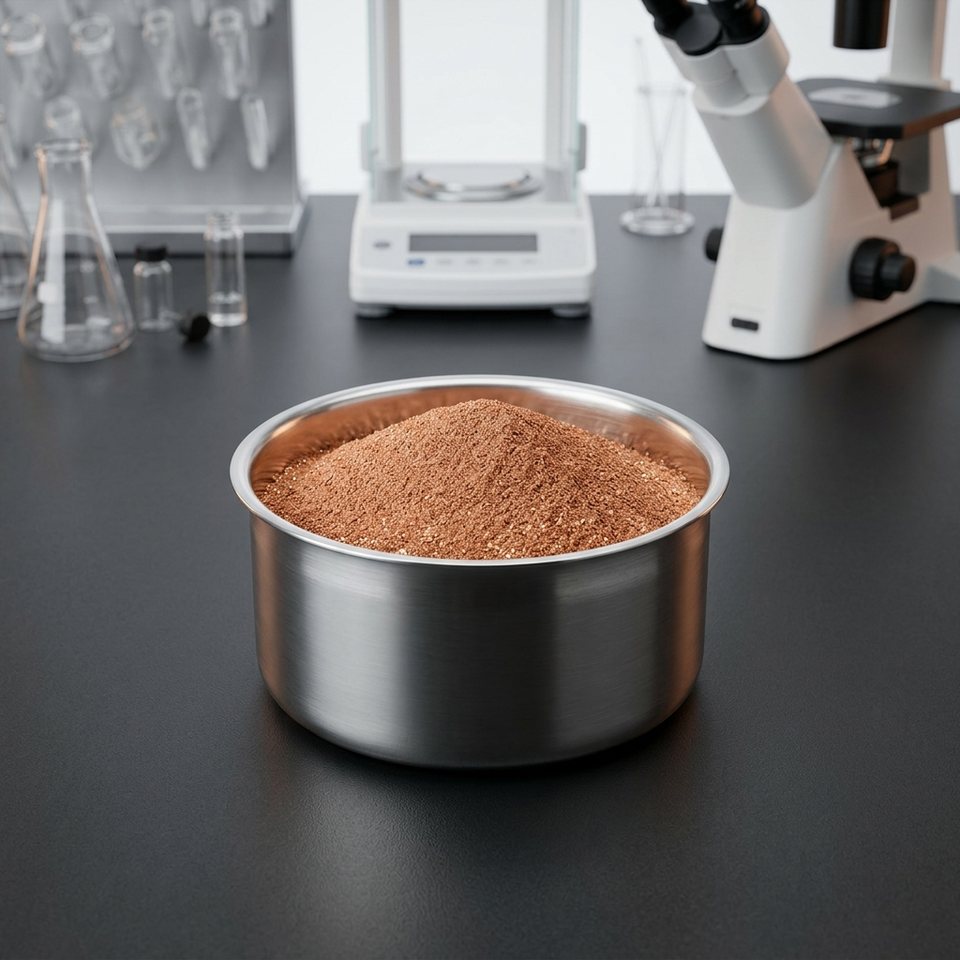
Conductive Copper Powder (Spherical & Flake, Paste Grade) metal powder product sample

QUICK ANSWER

Performance Defined by Material and Process.

Paste-grade conductive copper powder — spherical cuts (0.5-10 µm) for fired and polymer pastes, flake for polymer thick-film conductors — is the base material of copper metallization pastes for MLCC external electrodes, LTCC, solar cell plating, and printed electronics. As silver prices push manufacturers toward copper metallization, paste-grade copper has become the fastest-growing conductive powder family.

Copper paste technology solves copper's oxidation problem in two ways: nitrogen-fired pastes (MLCC termination, LTCC) sinter copper in inert atmosphere to full conductivity, and polymer thick-film pastes (membrane switches, RFID antennas, flexible circuits) use flake copper that cures at low temperature with anti-oxidation chemistry. The powder specification differs sharply by route — fired pastes need spherical, sub-micron-to-micron cuts with narrow distribution and low oxygen; polymer pastes need flake with high aspect ratio for percolation at 60-70% loading. Formulators buy on tap density, BET surface, oxygen content, and fired/cured conductivity data per lot.

MATERIAL DATA

Chemistry and Technical Performance.

Lot-level controls focus on the chemistry, particle characteristics, and process values that influence manufacturing consistency and finished-part performance.

Chemical Composition

TYPICAL
ElementContentPerformance Role
Copper (Cu)> 99.8 wt%Conductivity base — purity tracks resistivity
Oxygen (O)< 0.3 wt% (spherical), < 0.5% (flake)Oxidation control — the core copper challenge
Surface treatmentFatty acid / proprietaryAnti-oxidation and paste dispersion
Carbon + moisture< 0.2 wt% combinedFiring and shelf-life control
Impurities (Fe, Pb, others)< 0.1 wt% combinedElectronic-grade panel

Technical Specifications

BASE GRADE
Spherical cuts
0.5-1, 1-3, 3-5, 5-10 µm
Flake grades
5-25 µm, aspect ratio 10-40:1
Tap density
> 4.5 g/cm³ (spherical paste grade)
Cured resistivity
3-10 µΩ·cm (polymer), near-bulk (fired)
Purity
99.8-99.95%
Packing
Sealed, inert-flushed

Final limits can be aligned with the agreed purchase specification.

APPLICATIONS

Developed for Demanding Industrial Applications.

01

MLCC and LTCC manufacturing anchors the fired-paste stream

MLCC and LTCC manufacturing anchors the fired-paste stream: every base-metal-electrode MLCC (which is nearly all of them — trillions per year) terminates with copper paste fired in nitrogen, and LTCC modules for RF and automotive use copper conductors throughout. Paste formulators and captive electronics manufacturers buy spherical copper on fired conductivity, shrinkage match to their dielectric, and oxygen content — qualification takes months, then volumes run steady for years. Copper's cost advantage over silver is structural, and the metallization shift is one-directional.

02

Printed and flexible electronics drive the polymer-paste stream

Printed and flexible electronics drive the polymer-paste stream: RFID antennas, membrane touch switches, flexible heaters, and wearable circuits print copper flake pastes that cure below 150 °C onto PET and paper; solar cell metallization increasingly trials copper plating and copper paste to escape silver cost; and conductive adhesives fill copper for die-attach and shielding. Each application buys on cured conductivity per unit cost — copper's unbeatable position against silver wherever oxidation is managed.

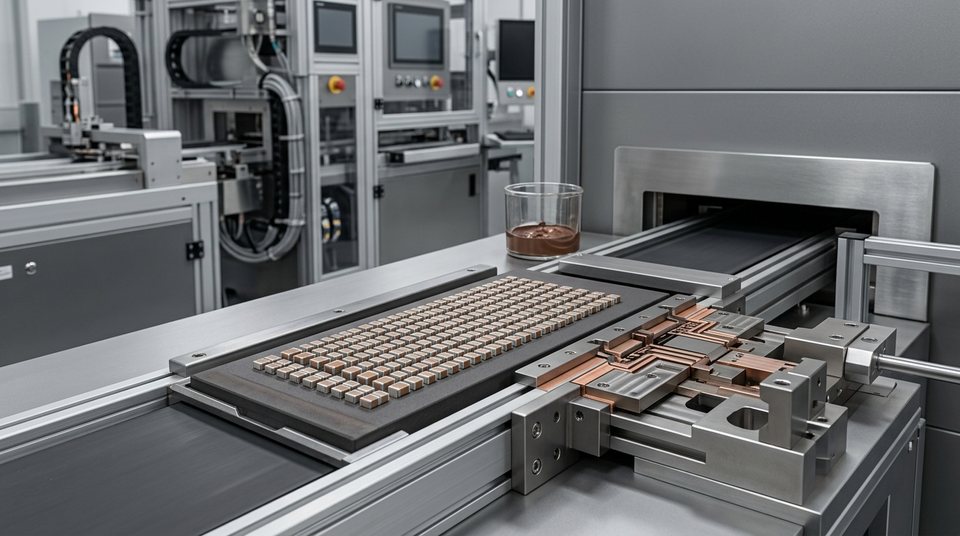
Conductive Copper Powder (Spherical & Flake, Paste Grade) industrial application detail

ELECTRONIC PASTE & CONDUCTIVE METAL POWDERS

CUSTOM SUPPLY

A Supply Specification Built Around Your Process.

We supply spherical paste-grade copper in 0.5-10 µm cuts with surface treatment, certified oxygen and tap density, plus flake grades for polymer thick-film formulation. Fired-shrinkage data on standard test pastes, anti-oxidation treatment options, and co-development with your firing profile or resin system are available. Silver-free by design — no quota exposure, ships freely.

01

We supply spherical paste-grade copper in 0.5-10 µm cuts with surface treatment, certified oxygen and tap density, plus flake grades for polymer thick-film formulation.

02

Fired-shrinkage data on standard test pastes, anti-oxidation treatment options, and co-development with your firing profile or resin system are available.

03

Silver-free by design — no quota exposure, ships freely.

MATERIAL COMPARISON

Compare Materials Against the Production Requirement.

Copper vs Silver Conductive Paste

Comparison PointThis ProductSilver Paste
Metal cost~1% of silver per kgBenchmark — Ag price exposed
Bulk resistivity1.68 µΩ·cm1.59 µΩ·cm — marginally better
OxidationMust be managed — the core challengeOxide conductive — forgiving
ElectromigrationResistantMigrates — reliability risk
Firing atmosphereNitrogen requiredAir-firable
TrendRapidly displacing Ag in volume appsRetreating to premium niches

TECHNICAL FAQ

Technical Questions About This Grade.

Need a different chemistry, particle range, or processing route? Our material team can review the requirement and supply window.

How do you prevent copper oxidation in paste?

Three layers: low-oxygen powder with certified analysis, surface treatment (fatty acid or proprietary films) that survives printing but burns off clean in firing, and inert-flushed sealed packaging. Polymer pastes add anti-oxidant chemistry in the vehicle.

What particle size for MLCC termination paste?

1-3 µm spherical with narrow distribution and high tap density — shrinkage must match the capacitor dielectric's firing curve. We supply fired-shrinkage data on standard test vehicles.

Can copper paste fire in air?

Standard copper pastes cannot — they need nitrogen. Air-firable copper pastes exist using glass encapsulation chemistry; we supply the specialty spherical powder for those formulations.

What conductivity does polymer copper paste reach?

3-10 µΩ·cm cured depending on flake grade, loading, and cure — roughly 3-6x bulk copper resistivity, sufficient for antennas, switches, and heaters. Flake aspect ratio is the main lever.

Is copper powder export-controlled?

No. Copper conductive powders ship without licensing — and unlike silver, carry no quota or state-trading exposure.

REQUEST THIS GRADE

Turn Your Production Requirement Into a Powder Specification.

Share your target chemistry, particle size, process, annual volume, and destination. Our powder specialists will confirm the closest production grade and documentation package.

Talk to a Powder Specialist
Send Inquiry