Metal3DPMETAL3DP
ELECTRONIC PASTE & CONDUCTIVE METAL POWDERSTECHNICAL PRODUCT DATA

Platinum & Palladium Powder (Catalyst & Paste Grade)

Catalyst & Paste Grade

Pt/Pd black (BET 20-60 m²/g), Pt/C & Pd/C 5-60% supported catalysts, paste-grade 0.5-5µm. Fuel cell PtCo/PtNi, activity data per lot, spent catalyst recovery program.

Forms
Black/sponge, fine powder, Pt/C and Pd/C supported
Pt/C loadings
20-60 wt% standard, custom
BET surface
Certified per lot
Assay
99.95%+ certified, 99.99% available
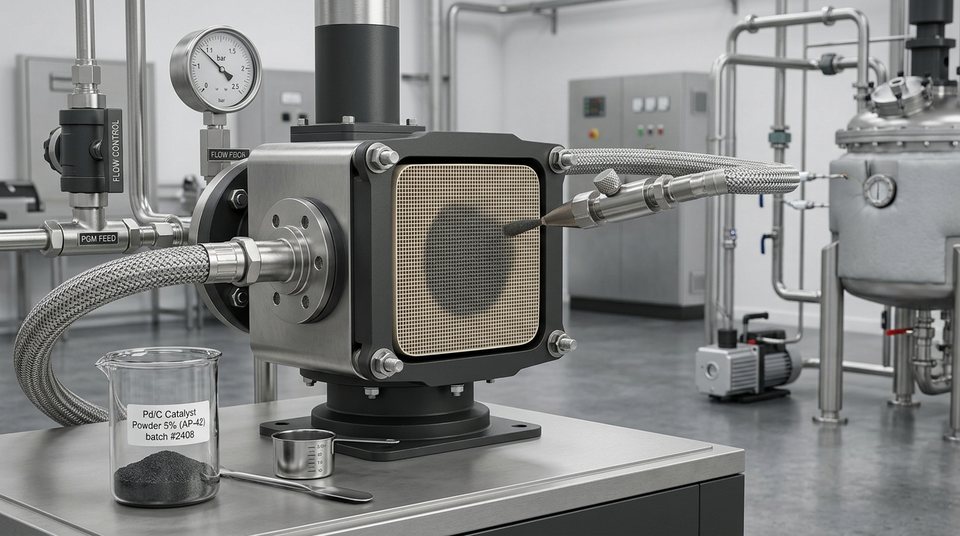
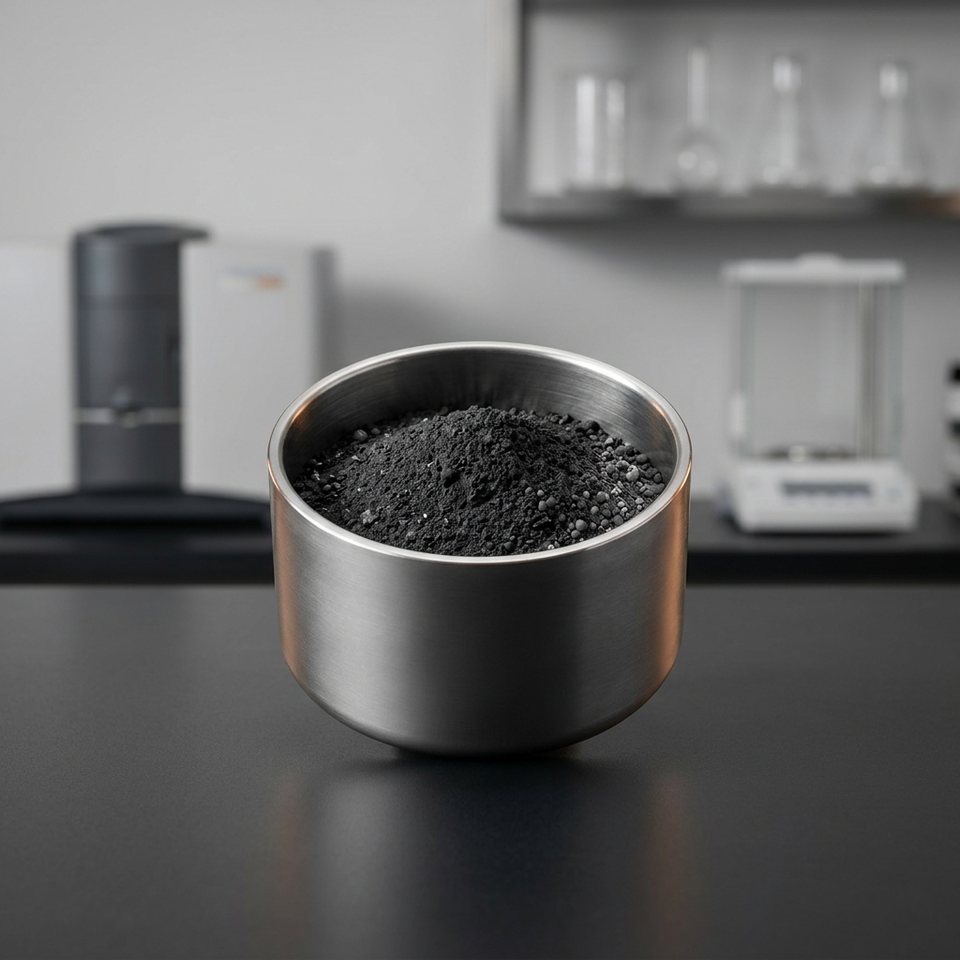
Platinum & Palladium Powder (Catalyst & Paste Grade) metal powder product sample

QUICK ANSWER

Performance Defined by Material and Process.

Platinum and palladium powders — high-surface-area black/sponge for catalysts, and fine spherical/flake for electronic pastes — serve catalysis (automotive exhaust, chemical processing, fuel cells, sensors) and electronics (thick-film pastes, MLCC electrodes for specialty capacitors, thermocouples). As precious metals with irreplaceable catalytic chemistry, they trade on purity, surface area, and morphology rather than tonnage.

The two markets specify opposite morphologies: catalysts need maximum surface area — platinum black and palladium black at 20-60 m²/g, or supported nanoparticle powders (Pt/C, Pd/C) where 2-5 nm particles disperse on carbon — while electronic pastes need dense fine powders (0.5-5 µm) that print and sinter into conductors and electrodes. Fuel-cell catalysts (Pt and Pt-alloy on carbon) represent the highest-growth stream as hydrogen mobility scales; automotive and chemical catalyst demand provides the stable base; and Pd/paste electronics serve specialty niches. Every buyer certifies purity (99.95-99.99%) and the morphology parameter that drives their process.

MATERIAL DATA

Chemistry and Technical Performance.

Lot-level controls focus on the chemistry, particle characteristics, and process values that influence manufacturing consistency and finished-part performance.

Chemical Composition

TYPICAL
ElementContentPerformance Role
Platinum/Palladium (Pt, Pd)99.95-99.99 wt%Precious metal purity — assay certified
Surface area (black grades)20-60 m²/gCatalytic activity — the black-powder value
Particle size (paste grades)0.5-5 µmPrinting and sintering behavior
Supported gradesPt/C, Pd/C at 20-60 wt%Fuel cell and chemical catalyst standard form
Impurities (Fe, Cu, others)< 100-500 ppmPoison control — catalyst deactivation

Technical Specifications

BASE GRADE
Forms
Black/sponge, fine powder, Pt/C and Pd/C supported
Pt/C loadings
20-60 wt% standard, custom
BET surface
Certified per lot
Assay
99.95%+ certified, 99.99% available
Catalyst testing
Activity reference data available
Recovery program
Spent catalyst buy-back available

Final limits can be aligned with the agreed purchase specification.

APPLICATIONS

Developed for Demanding Industrial Applications.

01

Catalysis is the dominant demand

Catalysis is the dominant demand: automotive three-way and diesel catalysts (Pt/Pd on washcoat — every car carries grams of PGM), chemical process catalysts (Pd/C for hydrogenation in pharma and fine chemicals — the workhorse of API synthesis), nitric acid and fertilizer plant catalysts, and the fast-growing fuel cell sector where Pt/C membrane-electrode assemblies power hydrogen vehicles and stationary systems. Chemical catalyst buyers purchase Pd/C and Pt/C on activity assays against their specific reaction; fuel cell developers buy on electrochemical surface area and durability data.

02

Electronics and instrumentation form the stable specialty stream

Electronics and instrumentation form the stable specialty stream: platinum thick-film pastes print heater and sensor elements (exhaust gas sensors, RTD temperature sensors), specialty MLCCs and electrodes use Pd and PtPd powders, laboratory crucibles and thermocouple wire draw from powder-metallurgy PGM, and electrochemical electrodes (chlor-alkali, electrolysis) coat from Pt precursors. Medical device electrodes and implantable components add a qualified high-value niche.

Platinum & Palladium Powder (Catalyst & Paste Grade) industrial application detail

ELECTRONIC PASTE & CONDUCTIVE METAL POWDERS

CUSTOM SUPPLY

A Supply Specification Built Around Your Process.

We supply platinum and palladium in black/sponge catalyst grades (BET certified), fine paste-grade powders, and Pt/C-Pd/C supported catalysts at standard and custom loadings with activity reference data. Custom surface areas, Pt-alloy catalysts (PtCo, PtNi for fuel cells), assay-certified small lots, and a spent-catalyst recovery credit program are available. Note: platinum-group metals trade freely from China without licensing or quota — documentation is standard precious-metals practice.

01

We supply platinum and palladium in black/sponge catalyst grades (BET certified), fine paste-grade powders, and Pt/C-Pd/C supported catalysts at standard and custom loadings with activity reference data.

02

Custom surface areas, Pt-alloy catalysts (PtCo, PtNi for fuel cells), assay-certified small lots, and a spent-catalyst recovery credit program are available.

03

Note: platinum-group metals trade freely from China without licensing or quota — documentation is standard precious-metals practice.

MATERIAL COMPARISON

Compare Materials Against the Production Requirement.

Platinum vs Palladium (Catalyst Selection)

Comparison PointThis ProductPalladium
Price levelHighHistorically higher — volatile; now comparable
Oxidation catalysisExcellent, durableExcellent — gasoline catalyst standard
Hydrogenation selectivityGoodSuperior — pharma standard
Fuel cell useStandard cathode metalAnode and alloy roles
Poison resistanceBetter (S tolerance)Lower
Best useFuel cells, diesel, sensorsHydrogenation, gasoline exhaust

TECHNICAL FAQ

Technical Questions About This Grade.

Need a different chemistry, particle range, or processing route? Our material team can review the requirement and supply window.

Which Pd/C loading for pharmaceutical hydrogenation?

5% and 10% Pd/C are the workhorses; higher loadings suit fast reactions with catalyst recycling. We supply activity data against standard test reactions and can match your incumbent catalyst's performance.

Do you supply fuel-cell-grade Pt/C?

Yes — 40-60% Pt/C with certified electrochemical surface area, plus PtCo and PtNi alloy catalysts for next-generation MEAs. Durability test data available for qualified developers.

What is the minimum order for precious metal powder?

From 1 gram for R&D to kilogram scale for production — precious metal programs start small by nature. Assay certificates accompany every quantity.

Do you take back spent catalyst?

Yes — we operate a recovery program crediting reclaimed Pt/Pd against new purchases, which materially reduces net catalyst cost for volume chemical users.

Are platinum and palladium export-controlled from China?

No — PGM powders and catalysts ship under standard precious-metals documentation without licensing or quota restrictions.

REQUEST THIS GRADE

Turn Your Production Requirement Into a Powder Specification.

Share your target chemistry, particle size, process, annual volume, and destination. Our powder specialists will confirm the closest production grade and documentation package.

Talk to a Powder Specialist
Send Inquiry