
Predictable Melting and Wetting
Alloy chemistry is controlled around liquidus, solidus, flow, base-metal compatibility, and required service temperature.
FILLER METAL & JOINING SOLUTIONS
Brazing and solder powders controlled for melting behavior, wetting, particle distribution, paste rheology, and joint performance across automated industrial joining processes.
BUILT AROUND THE APPLICATION
Material selection connected to process stability, finished performance, and production-scale supply.
6
Relevant powder grades
Brazing + solder
High and low temperature joining
Paste ready
Controlled particle distributions
Lot chemistry
Repeatable melting behavior
APPLICATION ROUTES
The same nominal material can behave differently across equipment, process windows, and finished-part requirements. Start with how the powder will be used.
WHAT JOINING BUYERS NEED
Melting drift, oxide pickup, poor paste response, incomplete wetting, and voiding can compromise an entire furnace load or electronics batch.
Alloy chemistry is controlled around liquidus, solidus, flow, base-metal compatibility, and required service temperature.
Particle range and morphology support rheology, dispensing, printing, preform production, and controlled filler volume.
Strength, corrosion, fatigue, brittleness, remelt temperature, and clearance filling are considered together.
Traceable lots, inspection data, packaging, and export documentation support qualified manufacturing programs.
RECOMMENDED POWDERS
These grades are practical commercial starting points. Final chemistry, particle range, surface condition, packing, and documentation can be aligned with your process.
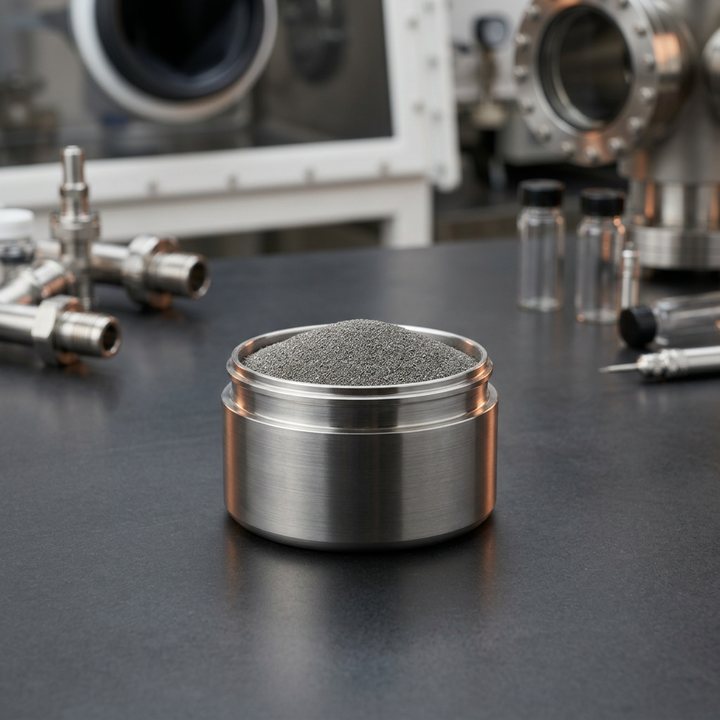
AWS A5.8 BNi-2 paste-grade powder, 971-999°C melting, self-fluxing in vacuum or hydrogen. Custom mesh cuts for dispensing, printing and tape. Lot-certified chemistry.
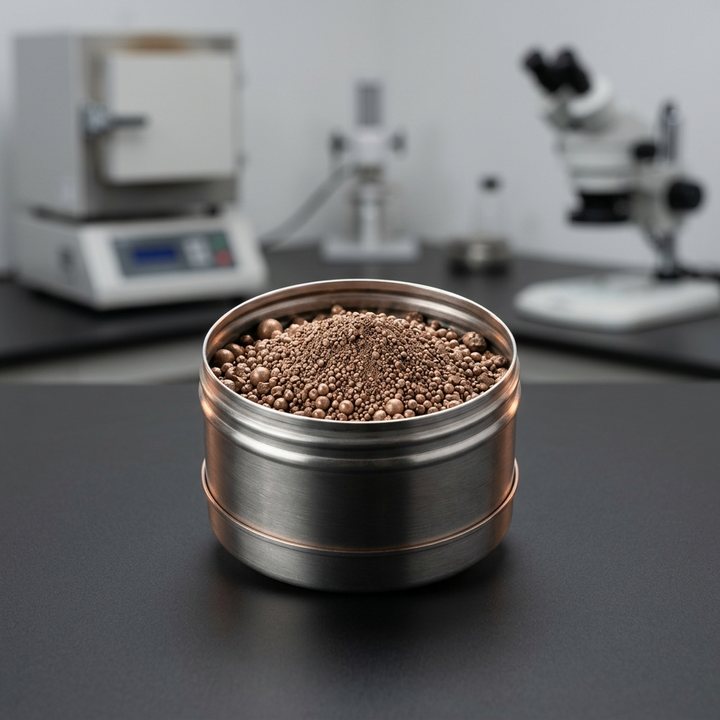
BCuP-2 to BCuP-5 powder for paste, rings and preforms. Self-fluxing on copper, silver-bearing options for brass and wide gaps. AWS A5.8 certified lots.
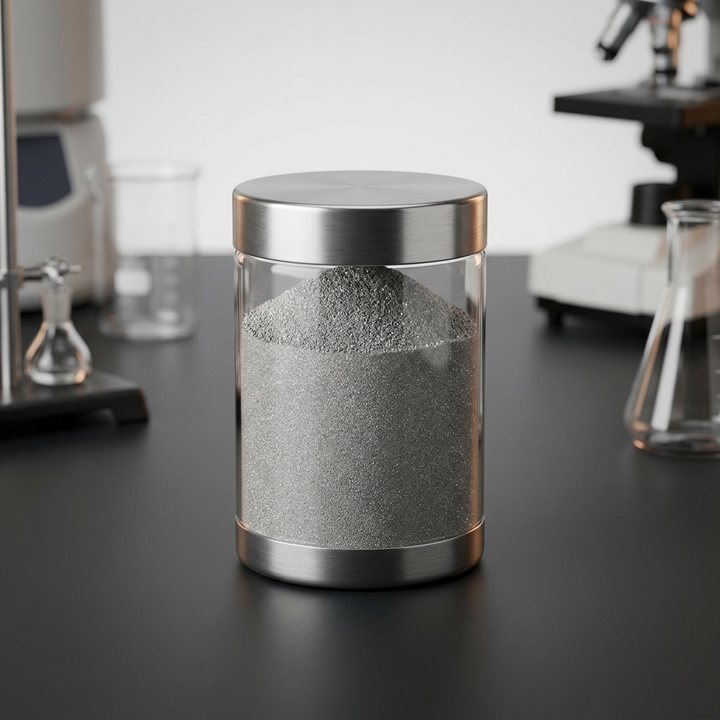
AlSi12 eutectic powder (577°C) for CAB furnace brazing of radiators, condensers and EV battery cooling plates. Paste and spray cuts, AlSi7.5/10 variants.
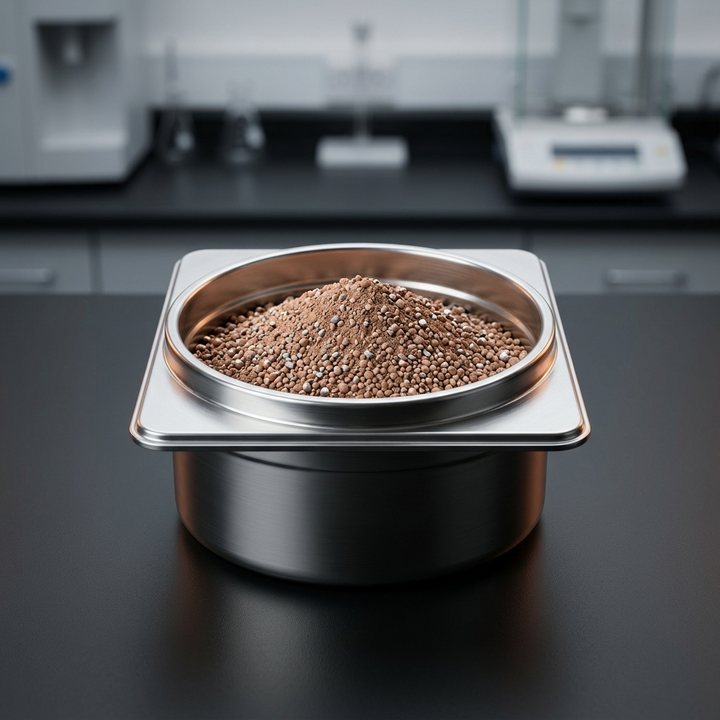
Cu-14Sn-10Ti active braze forming chemical TiC bonds to diamond and ceramics. Paste-grade cuts, custom titanium levels, qualification lots for toolmakers.
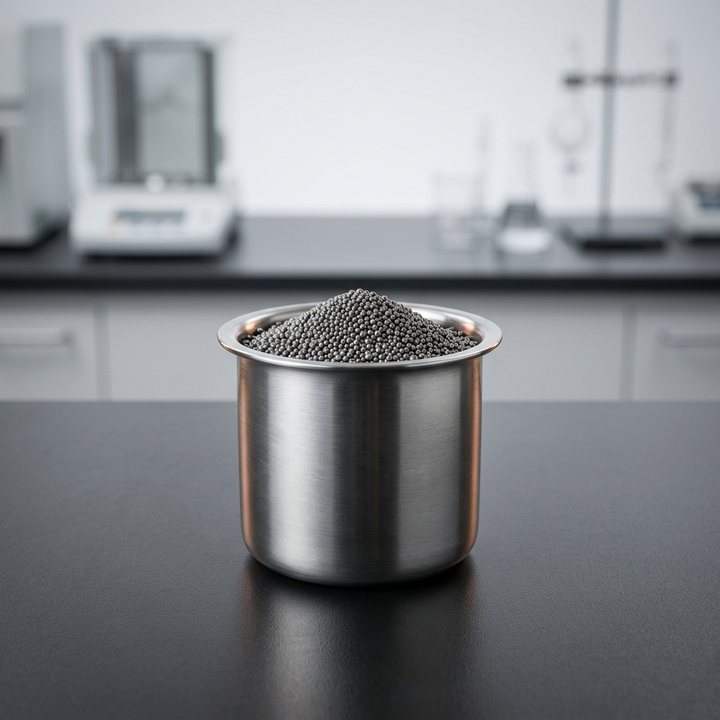
J-STD-006 SAC305 powder, O < 100 ppm, satellite-free T3-T8 cuts for stencil and jet printing. Custom distributions and low-Ag alternatives. Lot SEM certification.
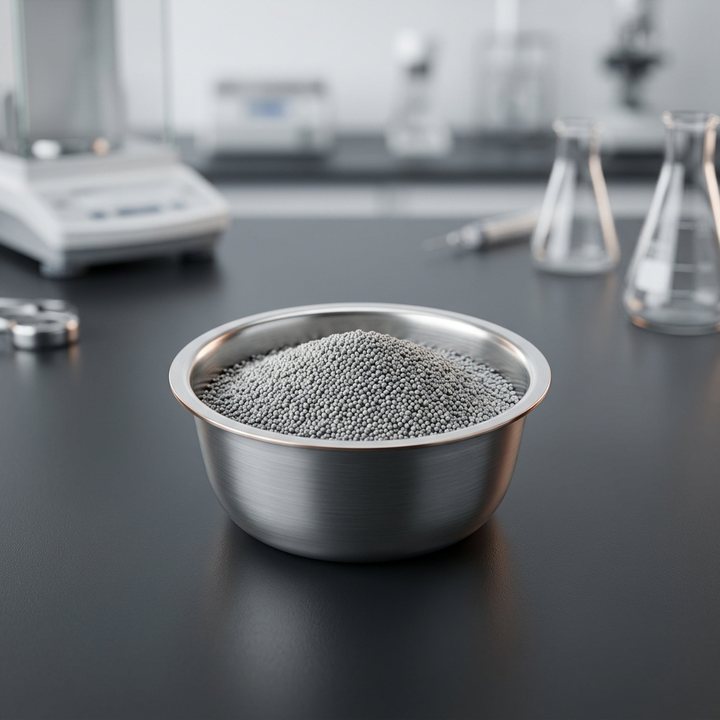
Sn42Bi58 powder melting at 138°C for LED, flex circuit and step soldering. T3-T6 cuts, O < 100 ppm, SnBiAg ductility variants. Full export documentation handled.
This application currently includes 6 relevant grades across the connected product families.
Browse the Full Product Portfolio ↗WHERE THESE POWDERS CREATE VALUE
The most useful material recommendation connects powder behavior to equipment, production economics, and the component's real service environment.
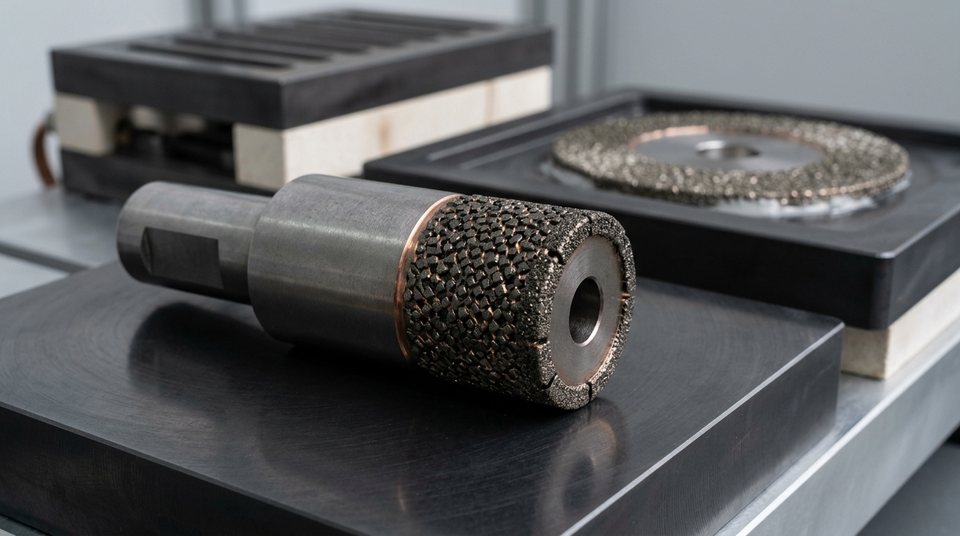
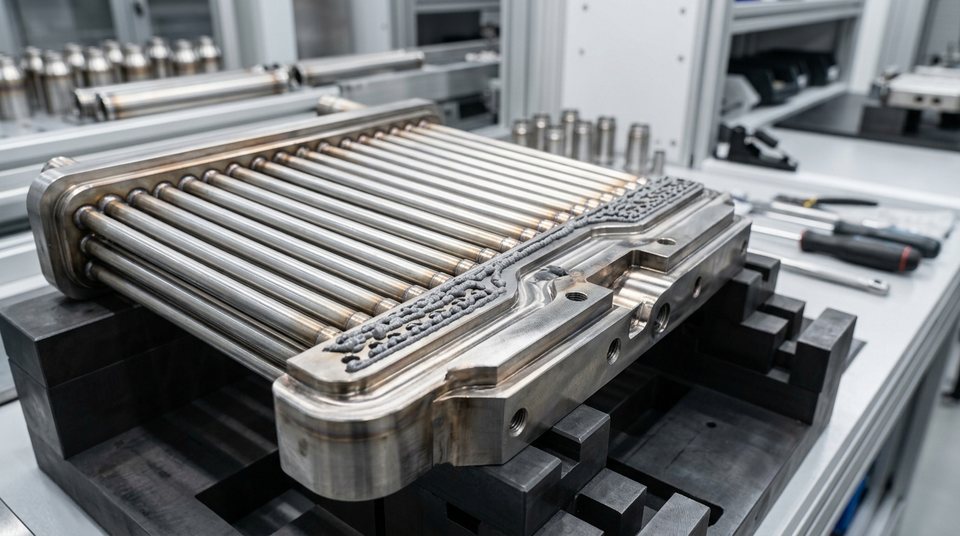
Plate-fin, EGR, charge-air, oil cooler, and compact thermal-management assemblies.
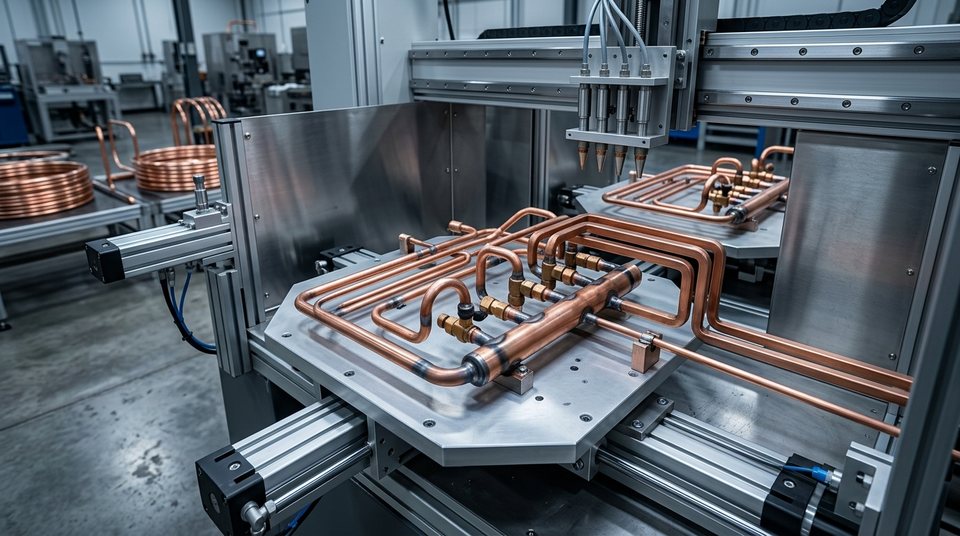
Copper tube joints, return bends, manifolds, heat pumps, and automated line assembly.
Honeycomb seals, hot-section assemblies, fuel hardware, and vacuum-brazed superalloy parts.
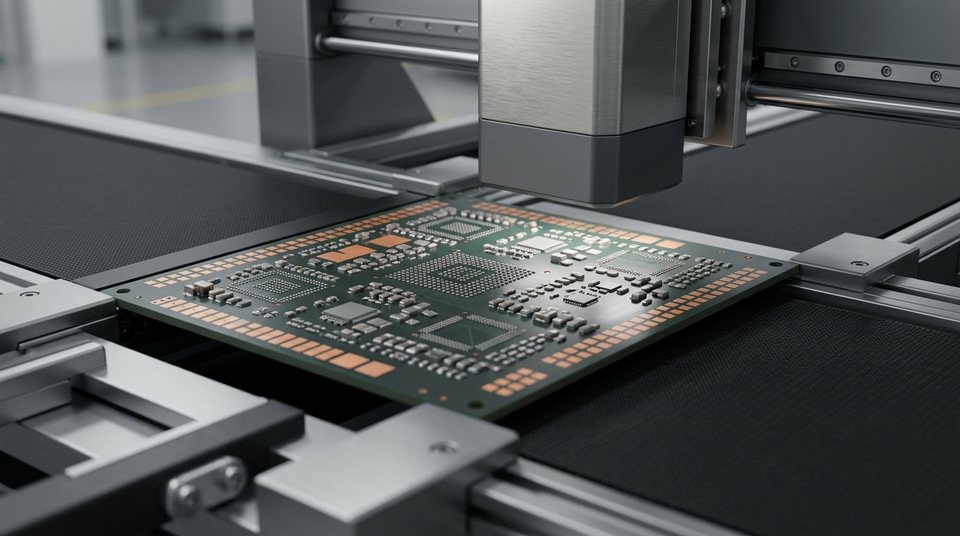
PCB assembly, LED modules, sensors, power devices, flex circuits, and step soldering.
Vacuum-brazed cutting, grinding, profiling, and drilling tools using active fillers.
Thermal management, emissions hardware, sensors, power electronics, and fluid assemblies.
A FASTER TECHNICAL CONVERSATION
You do not need a finished specification to start. These inputs let our team identify relevant grades, flag risks, and respond with practical next steps.
FROM REQUIREMENT TO QUALIFIED POWDER
Send the base materials, joint geometry, process profile, filler form, required standard, and annual demand. We will recommend a practical alloy and particle range.