Metal3DPMETAL3DP
BRAZING FILLER & SOLDER POWDERSTECHNICAL PRODUCT DATA

SnBi58 Low-Temperature Solder Powder (Sn42/Bi58)

Sn42/Bi58

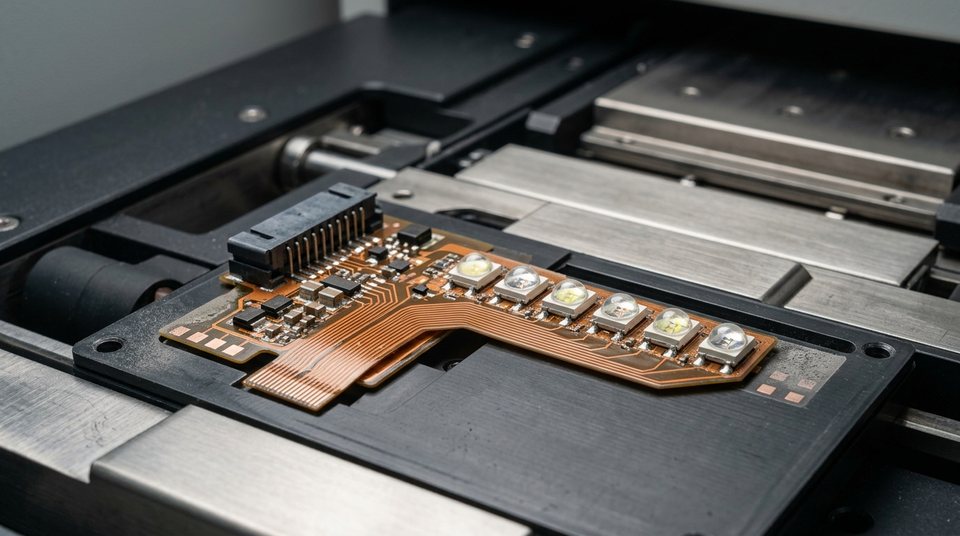
Sn42Bi58 powder melting at 138°C for LED, flex circuit and step soldering. T3-T6 cuts, O < 100 ppm, SnBiAg ductility variants. Full export documentation handled.

Melting point
138 °C eutectic
Peak reflow
165-185 °C
Powder types
Type 3 (25-45 µm) to Type 6 (5-15 µm)
Joint character
Hard, higher strength, lower ductility
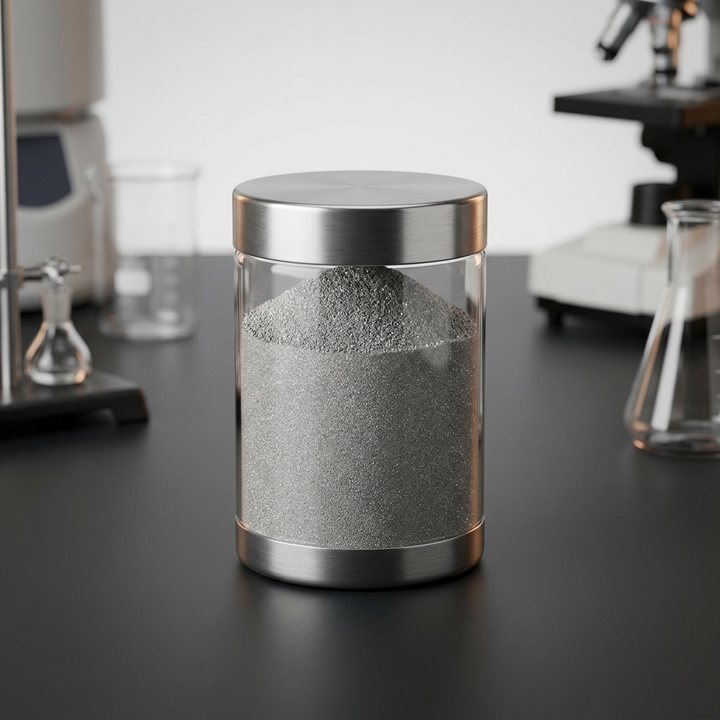
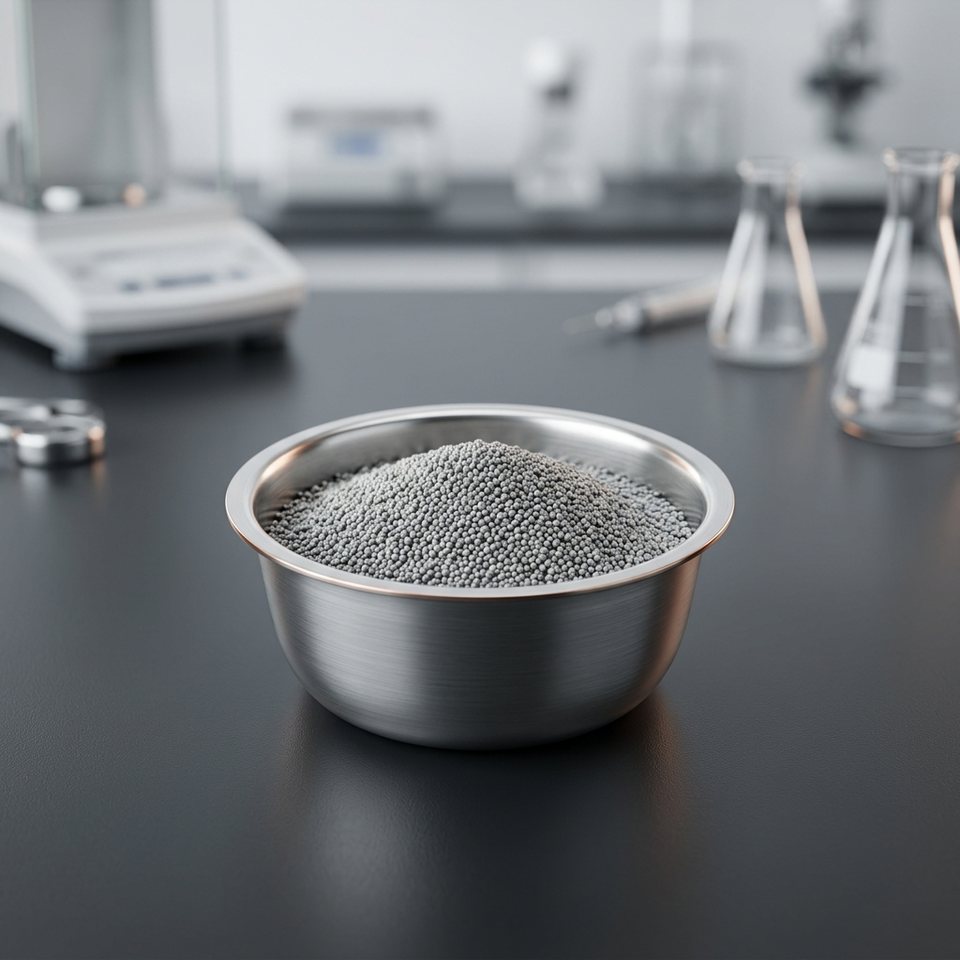
SnBi58 Low-Temperature Solder Powder (Sn42/Bi58) metal powder product sample

QUICK ANSWER

Performance Defined by Material and Process.

SnBi58 is a tin-bismuth eutectic solder powder (42% Sn, 58% Bi) melting at just 138 °C, used for low-temperature SMT assembly of heat-sensitive components, step soldering, and rework where standard SAC reflow temperatures would damage the assembly. It enables peak reflow at 165-185 °C — roughly 60 degrees below SAC305.

The low melting point is the entire product: flexible circuits, LEDs, optical modules, sensors, and battery-adjacent assemblies cannot survive 245 °C SAC reflow, and SnBi58 solves this at material level. The trade-offs are well understood — bismuth makes joints harder and more brittle than SAC, and the alloy is unsuitable for high-drop-risk or high-temperature service — but in its niche there is no practical substitute. Paste formulators buy the powder with the same quality criteria as SAC: sphericity, oxygen control, and IPC size type.

MATERIAL DATA

Chemistry and Technical Performance.

Lot-level controls focus on the chemistry, particle characteristics, and process values that influence manufacturing consistency and finished-part performance.

Chemical Composition

TYPICAL
ElementContentPerformance Role
Tin (Sn)42 wt%Wetting base metal of the joint
Bismuth (Bi)58 wt%Melting-point depressant creating the 138 °C eutectic
Silver (Ag)0-1 wt% (SnBiAg variants)Optional addition improving ductility and thermal fatigue
Oxygen (O)< 100 ppm (powder)Oxides degrade the already-marginal wetting of Bi alloys
Lead (Pb)< 0.05 wt%RoHS-compliant impurity limit

Technical Specifications

BASE GRADE
Melting point
138 °C eutectic
Peak reflow
165-185 °C
Powder types
Type 3 (25-45 µm) to Type 6 (5-15 µm)
Joint character
Hard, higher strength, lower ductility
Max service temperature
~90 °C continuous
Variants
SnBi57Ag1, SnBi58+X for improved reliability

Final limits can be aligned with the agreed purchase specification.

APPLICATIONS

Developed for Demanding Industrial Applications.

01

Heat-sensitive assembly is the core market

Heat-sensitive assembly is the core market: LED modules (where phosphor and lens materials degrade at SAC temperatures), flexible printed circuits, membrane switches, camera and optical modules, and sensor packages all reflow with SnBi58. The alloy also serves step soldering — assemblies where a second reflow must not remelt the first-level SAC joints — and battery pack electronics where 245 °C near cells is unacceptable. Each application exploits the 138 °C eutectic while designing around the alloy's brittleness.

02

Rework, repair, and low-skill assembly form the second market

Rework, repair, and low-skill assembly form the second market: SnBi58 paste lets repair technicians reflow boards at temperatures that do not delaminate substrates or damage neighboring components, and hobbyist/prototype markets value the forgiving low-temperature process. Medical electronics assembly adds a reliability-qualified niche where low reflow temperature protects hermetic and polymer-sealed devices.

SnBi58 Low-Temperature Solder Powder (Sn42/Bi58) industrial application detail

BRAZING FILLER & SOLDER POWDERS

CUSTOM SUPPLY

A Supply Specification Built Around Your Process.

We supply SnBi58 and silver-modified SnBiAg variants in Type 3 through Type 6 cuts with certified sphericity and oxygen content. Custom bismuth levels, indium-bearing ultra-low-temperature variants (SnIn, melting to 118 °C), and paste-formulation support are available. Note: bismuth-related items fall under China's 2025 export licensing framework; bismuth alloy powders ship with composition and end-use declarations, and we confirm current documentation requirements at order placement — supply has remained reliable.

01

We supply SnBi58 and silver-modified SnBiAg variants in Type 3 through Type 6 cuts with certified sphericity and oxygen content.

02

Custom bismuth levels, indium-bearing ultra-low-temperature variants (SnIn, melting to 118 °C), and paste-formulation support are available.

03

Note: bismuth-related items fall under China's 2025 export licensing framework; bismuth alloy powders ship with composition and end-use declarations, and we confirm current documentation requirements at order placement — supply has remained reliable.

MATERIAL COMPARISON

Compare Materials Against the Production Requirement.

SnBi58 vs SAC305

Comparison PointThis ProductSAC305
Melting point138 °C217-219 °C
Peak reflow165-185 °C235-250 °C
Joint ductilityLow — brittle, hardGood — ductile
Drop/shock resistancePoor — design around itGood
Thermal fatigueModerate (limited by service temp)Excellent
Best useHeat-sensitive, step soldering, reworkMainstream SMT, harsh service

TECHNICAL FAQ

Technical Questions About This Grade.

Need a different chemistry, particle range, or processing route? Our material team can review the requirement and supply window.

How do I design around SnBi58's brittleness?

Avoid it on large BGAs, connectors under mechanical load, and drop-risk products. For LEDs, sensors, and flex circuits with no mechanical joint stress, reliability is well proven — silver-modified SnBiAg closes part of the ductility gap.

Can SnBi58 and SAC joints coexist on one board?

Yes — that is the step-soldering use case: SAC reflows first at 245 °C, SnBi58 second at 175 °C without remelting the SAC joints. Design the sequence so heavy components go on the SAC pass.

What is the maximum service temperature?

Keep continuous service below about 90 °C — the 138 °C melting point leaves little homologous margin, and creep accelerates as service temperature approaches melting.

Does bismuth export control affect supply?

China licenses certain bismuth items under the February 2025 measures; manufactured solder alloy powders ship with composition declarations and end-use documentation. We handle the paperwork and confirm requirements per shipment — lead times have remained normal.

What powder type for LED module assembly?

Type 3 or 4 covers most LED pad geometries. Fine-pitch module designs may need Type 5 — send your aperture data and we confirm the cut.

REQUEST THIS GRADE

Turn Your Production Requirement Into a Powder Specification.

Share your target chemistry, particle size, process, annual volume, and destination. Our powder specialists will confirm the closest production grade and documentation package.

Talk to a Powder Specialist
Send Inquiry