Metal3DPMETAL3DP
BRAZING FILLER & SOLDER POWDERSTECHNICAL PRODUCT DATA

BNi-2 Nickel Brazing Filler Powder (NiCrSiB)

NiCrSiB

AWS A5.8 BNi-2 paste-grade powder, 971-999°C melting, self-fluxing in vacuum or hydrogen. Custom mesh cuts for dispensing, printing and tape. Lot-certified chemistry.

Melting range
971-999 °C (solidus-liquidus)
Brazing temperature
1010-1065 °C typical
Particle size
-325 mesh (< 45 µm) for paste; custom cuts for tape
Joint gap recommendation
0.025-0.10 mm
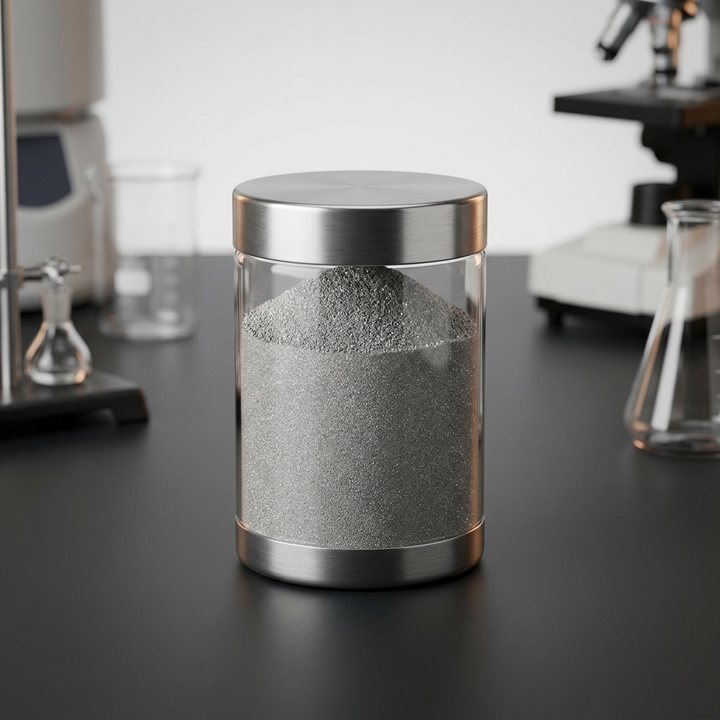
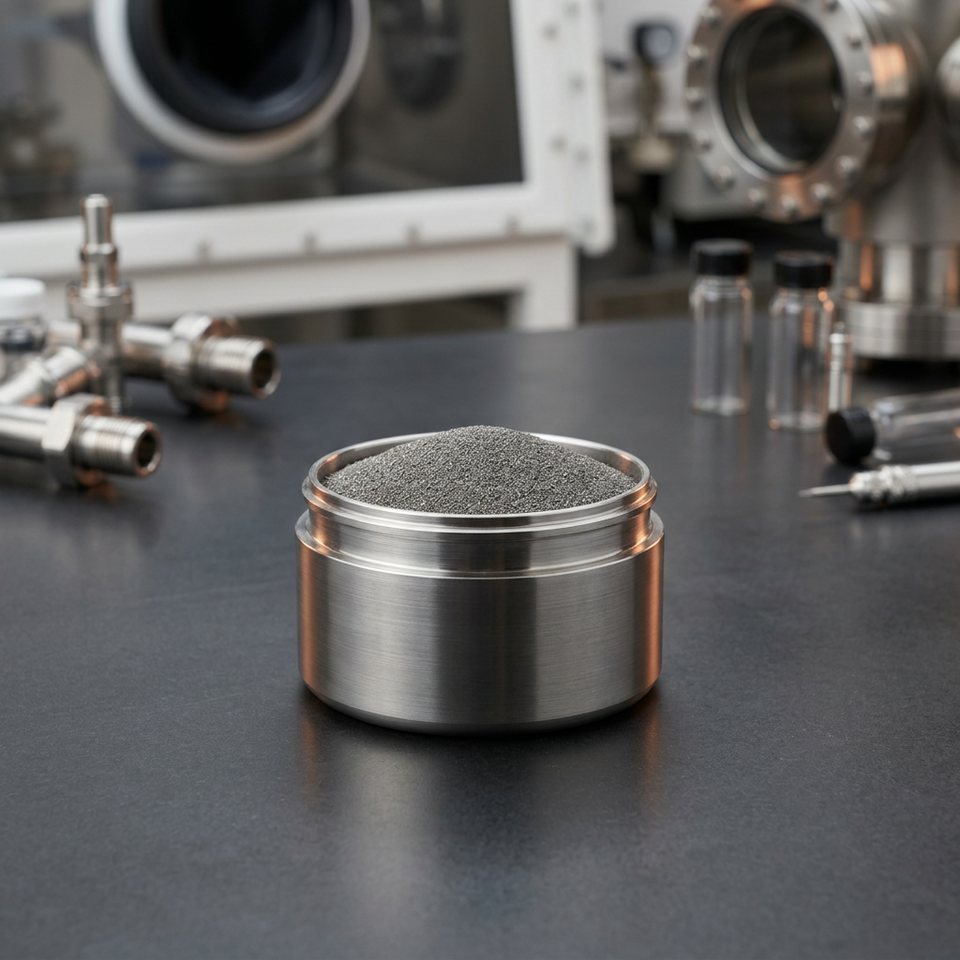
BNi-2 Nickel Brazing Filler Powder (NiCrSiB) metal powder product sample

QUICK ANSWER

Performance Defined by Material and Process.

BNi-2 is a nickel-chromium-silicon-boron brazing filler powder (AWS A5.8 BNi-2) melting at 971-999 °C, used for vacuum and atmosphere furnace brazing of stainless steels, superalloys, and heat exchangers. Its low melting point, excellent flow in tight joints, and good high-temperature strength make it the most widely used nickel filler metal in aerospace, automotive EGR coolers, and plate-fin heat exchanger production.

BNi-2's silicon and boron content gives it outstanding capillary flow — it fills joints down to 0.05 mm and self-fluxes in vacuum or dry hydrogen, which is why heat exchanger manufacturers can braze thousands of joints in one furnace cycle. The trade-off is that boron and silicon form hard, brittle intermetallic phases in thick joints, so BNi-2 is specified for thin, closely fitted gaps where capillary action distributes the alloy fully. Powder form lets manufacturers apply it as paste through dispensing, screen printing, or roller coating onto complex assemblies.

MATERIAL DATA

Chemistry and Technical Performance.

Lot-level controls focus on the chemistry, particle characteristics, and process values that influence manufacturing consistency and finished-part performance.

Chemical Composition

TYPICAL
ElementContentPerformance Role
Nickel (Ni)Balance (~82 wt%)Base matrix providing high-temperature strength and corrosion resistance
Chromium (Cr)6.0-8.0 wt%Oxidation and corrosion resistance in the brazed joint
Silicon (Si)4.0-5.0 wt%Primary melting-point depressant and flow promoter
Boron (B)2.75-3.50 wt%Self-fluxing agent and secondary melting depressant
Iron (Fe)2.5-3.5 wt%Matrix strengthener within specification limits

Technical Specifications

BASE GRADE
Melting range
971-999 °C (solidus-liquidus)
Brazing temperature
1010-1065 °C typical
Particle size
-325 mesh (< 45 µm) for paste; custom cuts for tape
Joint gap recommendation
0.025-0.10 mm
Atmosphere
Vacuum (< 10⁻³ mbar) or dry hydrogen
Joint strength
Approaching parent metal on thin joints

Final limits can be aligned with the agreed purchase specification.

APPLICATIONS

Developed for Demanding Industrial Applications.

01

Heat exchanger manufacturing is the volume market

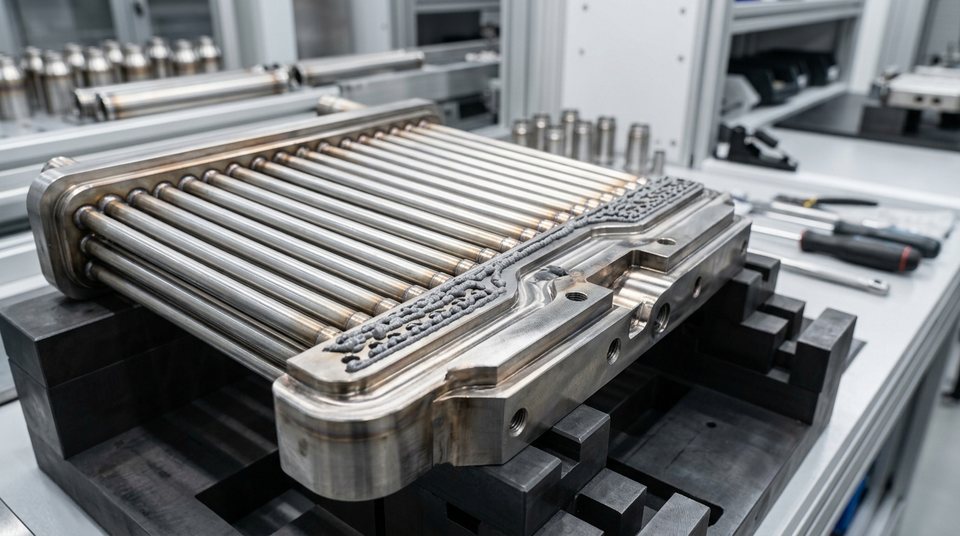
Heat exchanger manufacturing is the volume market: automotive EGR coolers, oil coolers, charge-air coolers, and plate-fin heat exchangers are brazed in vacuum furnaces using BNi-2 paste applied by dispensing or printing. A single EGR cooler contains hundreds of brazed joints, and production volumes run to millions of units annually — the filler powder is bought on flow consistency, mesh-size uniformity for paste rheology, and certified chemistry per AWS A5.8. Any drift in silicon or boron shifts melting behavior and can scrap an entire furnace load.

02

Aerospace and energy form the premium market

Aerospace and energy form the premium market: turbine honeycomb seals, fuel system components, and stainless sensor assemblies are brazed with BNi-2 where joint integrity at elevated temperature is flight-critical. Powder metallurgy and tooling industries add another stream — brazing carbide-tipped assemblies and infiltrating powder metal skeletons. In these markets, powder oxygen content and lot traceability are the purchase drivers, and buyers typically qualify a supplier for years rather than shop on price.

BNi-2 Nickel Brazing Filler Powder (NiCrSiB) industrial application detail

BRAZING FILLER & SOLDER POWDERS

CUSTOM SUPPLY

A Supply Specification Built Around Your Process.

We supply BNi-2 to AWS A5.8 chemistry in standard -325 mesh paste grade and custom cuts for tape casting and preform pressing, gas atomized with low oxygen and full certification. Paste formulation support (binder systems matched to your dispensing equipment), alternative nickel fillers (BNi-1a, BNi-5, BNi-7 for specific melting points or B-free joints), and small qualification quantities are standard. Not export-controlled.

01

We supply BNi-2 to AWS A5.8 chemistry in standard -325 mesh paste grade and custom cuts for tape casting and preform pressing, gas atomized with low oxygen and full certification.

02

Paste formulation support (binder systems matched to your dispensing equipment), alternative nickel fillers (BNi-1a, BNi-5, BNi-7 for specific melting points or B-free joints), and small qualification quantities are standard.

MATERIAL COMPARISON

Compare Materials Against the Production Requirement.

BNi-2 vs BNi-5 (High-Cr, B-Free) Filler

Comparison PointThis ProductBNi-5
Melting point971-999 °C — lower1075-1135 °C — higher
Joint gap toleranceThin gaps only (0.025-0.10 mm)Wider gaps possible
Boron content2.75-3.5% — embrittles thick jointsNone — more ductile joints
Corrosion resistanceGoodBetter (19% Cr)
Flow in tight jointsExcellentModerate
Best useHeat exchangers, thin precision jointsThicker joints, corrosion-first service

TECHNICAL FAQ

Technical Questions About This Grade.

Need a different chemistry, particle range, or processing route? Our material team can review the requirement and supply window.

Why does BNi-2 require thin joints?

Boron and silicon diffuse into the parent metal during brazing; in thin joints this diffusion removes the brittle eutectic phase entirely, leaving a strong ductile joint. In thick joints the eutectic remains as a hard, brittle line — the classic BNi-2 failure mode.

Can BNi-2 be brazed in hydrogen instead of vacuum?

Yes — dry hydrogen (dew point below -40 °C) works well and is standard in continuous heat exchanger furnaces. Vacuum is preferred for reactive alloys and the highest joint cleanliness.

What mesh size do I need for paste dispensing?

Standard paste grade is -325 mesh (< 45 µm). Finer cuts improve dispensing resolution for small dots; coarser cuts reduce paste cost for large-area application. We match the cut to your dispensing or printing process.

How do I stop BNi-2 from eroding thin base metals?

Keep brazing time and temperature at the minimum of the window — boron diffuses into and can erode thin foils and fin stock. Our lot-specific liquidus data lets you set the furnace just 15-20 °C above liquidus.

Is BNi-2 export-controlled?

No. Nickel brazing fillers ship without licensing requirements.

REQUEST THIS GRADE

Turn Your Production Requirement Into a Powder Specification.

Share your target chemistry, particle size, process, annual volume, and destination. Our powder specialists will confirm the closest production grade and documentation package.

Talk to a Powder Specialist
Send Inquiry