Metal3DPMETAL3DP
BRAZING FILLER & SOLDER POWDERSTECHNICAL PRODUCT DATA

SAC305 Lead-Free Solder Powder (Sn96.5/Ag3.0/Cu0.5)

Sn96.5/Ag3.0/Cu0.5

J-STD-006 SAC305 powder, O < 100 ppm, satellite-free T3-T8 cuts for stencil and jet printing. Custom distributions and low-Ag alternatives. Lot SEM certification.

Melting point
217-219 °C
Powder types
Type 3 (25-45 µm) to Type 8 (2-11 µm)
Sphericity
> 95% spherical, satellite-free
Reflow profile
Peak 235-250 °C, standard convection
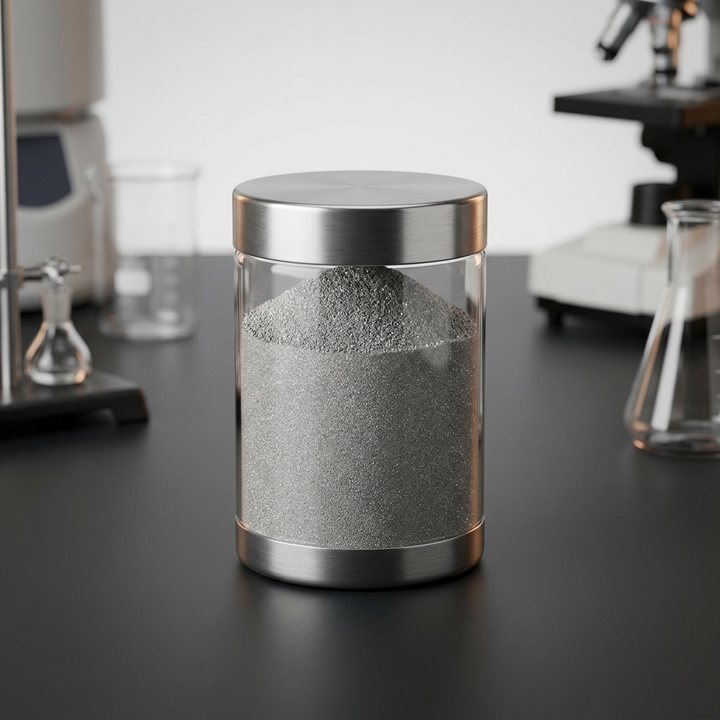
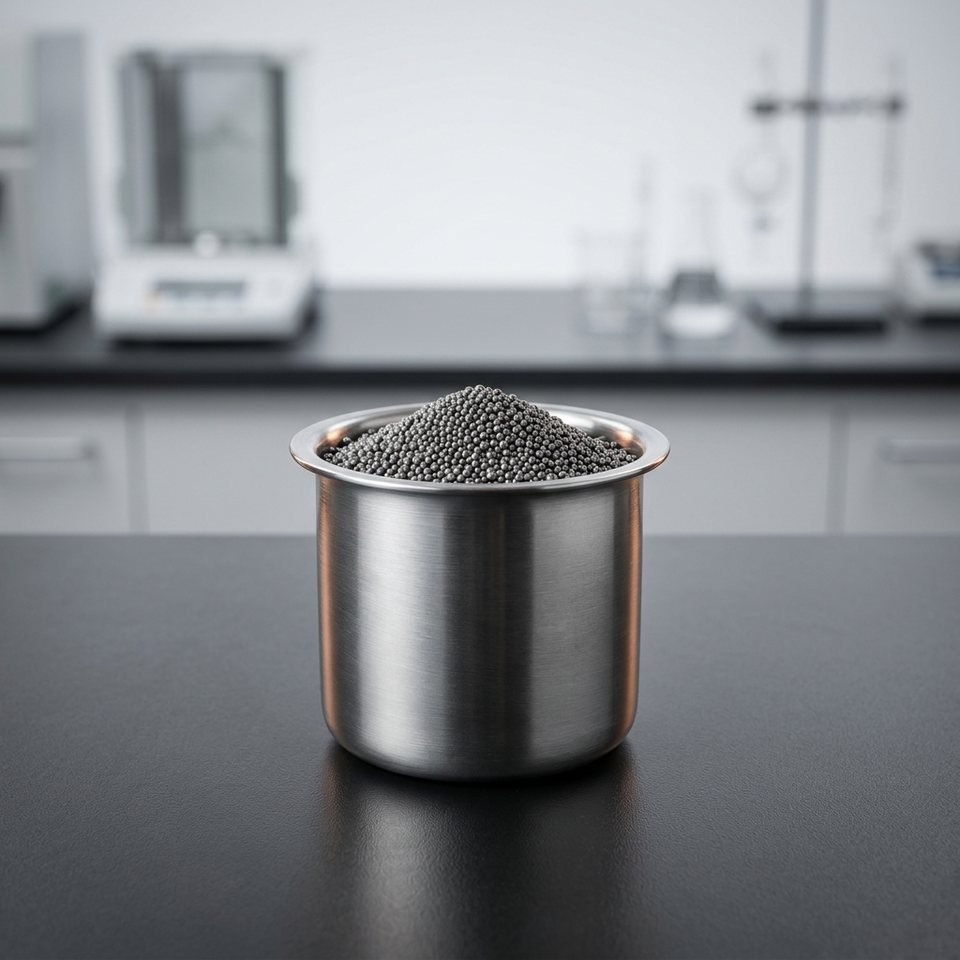
SAC305 Lead-Free Solder Powder (Sn96.5/Ag3.0/Cu0.5) metal powder product sample

QUICK ANSWER

Performance Defined by Material and Process.

SAC305 is the electronics industry's standard lead-free solder alloy — 96.5% tin, 3.0% silver, 0.5% copper — supplied as spherical powder in Type 3 through Type 8 size cuts for solder paste production. Melting at 217-219 °C, it solders virtually every consumer, automotive, and industrial electronic assembly built today, from smartphone motherboards to EV inverters.

SAC305 became the default lead-free alloy after the RoHS transition because it balances reflow behavior, joint reliability, and cost better than any alternative: the silver strengthens the tin matrix and improves thermal fatigue life, while the small copper addition reduces copper dissolution from pads. Solder paste formulators buy the powder — not the alloy — because paste performance depends on powder sphericity, oxygen content, and tight size distribution; satellite particles and irregular shapes cause printing defects and solder balling that no flux chemistry can fix.

MATERIAL DATA

Chemistry and Technical Performance.

Lot-level controls focus on the chemistry, particle characteristics, and process values that influence manufacturing consistency and finished-part performance.

Chemical Composition

TYPICAL
ElementContentPerformance Role
Tin (Sn)96.5 wt%Wetting and conductive base of the solder joint
Silver (Ag)3.0 wt%Strengthens matrix, improves thermal fatigue and creep resistance
Copper (Cu)0.5 wt%Reduces copper pad dissolution; stabilizes melting behavior
Oxygen (O)< 100 ppm (powder)Critical powder spec — oxides cause solder balling and poor coalescence
Impurities (Pb, Bi, others)< 0.1% combinedIPC/J-STD-006 limits for joint reliability

Technical Specifications

BASE GRADE
Melting point
217-219 °C
Powder types
Type 3 (25-45 µm) to Type 8 (2-11 µm)
Sphericity
> 95% spherical, satellite-free
Reflow profile
Peak 235-250 °C, standard convection
Standard
IPC J-STD-006 alloy, J-STD-005 paste
Joint reliability
Benchmark for thermal cycling and drop

Final limits can be aligned with the agreed purchase specification.

APPLICATIONS

Developed for Demanding Industrial Applications.

01

SMT assembly is the totality of the market

SMT assembly is the totality of the market: every printed circuit board reflowed today in lead-free production uses SAC-family paste, and SAC305 holds the dominant share. Paste manufacturers atomize or buy powder and blend it with flux vehicles at 85-90 percent metal loading, then the paste is stencil-printed onto boards at line speeds where powder quality directly controls print definition, slump, and defect rates. Finer powder types (T4, T5) enable the shrinking pad geometries of smartphones and wearables; ultra-fine T6-T8 grades serve jet printing, micro-assembly, and SiP packaging.

02

Beyond standard SMT, SAC305 powder

Beyond standard SMT, SAC305 powder serves power electronics (where its thermal fatigue resistance suits IGBT and inverter assemblies), automotive electronics under AEC-Q reliability regimes, and repair/rework paste markets. The buying criteria everywhere are the same: certified alloy to J-STD-006, sphericity and satellite control, oxygen below spec, and size distribution certified per IPC type — because a paste line shutdown costs more in an hour than a powder lot costs in total.

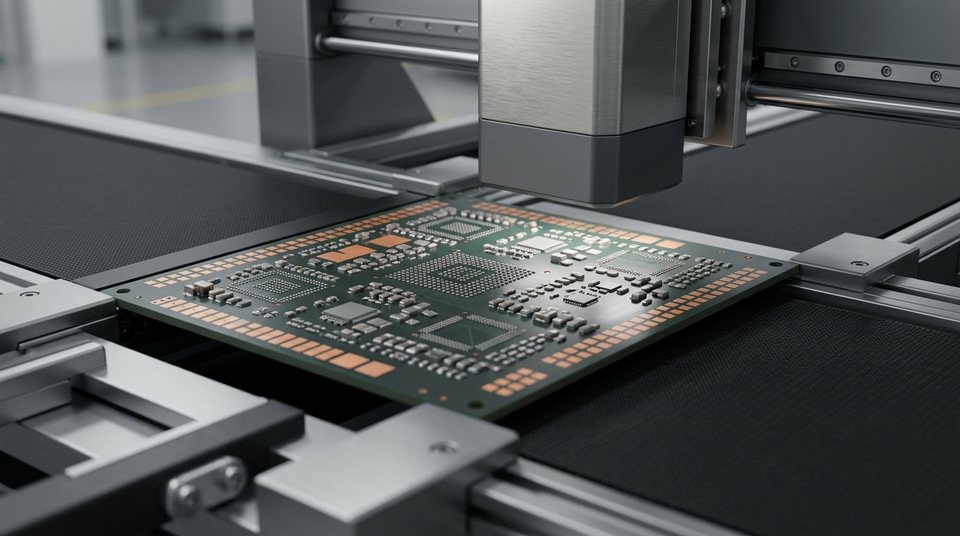
SAC305 Lead-Free Solder Powder (Sn96.5/Ag3.0/Cu0.5) industrial application detail

BRAZING FILLER & SOLDER POWDERS

CUSTOM SUPPLY

A Supply Specification Built Around Your Process.

We supply SAC305 powder in Type 3 through Type 8 cuts with certified sphericity, satellite-free morphology, oxygen below 100 ppm, and IPC size distribution per lot. Custom size distributions for jet printing, low-oxygen premium grades, and alternative alloys (SAC105, SAC0307, SAC387) are available. Export note: the 3% silver content ships as manufactured solder alloy under standard declarations; China's silver quota administration applies to silver metal, and we confirm documentation at order time — supply is routine.

01

We supply SAC305 powder in Type 3 through Type 8 cuts with certified sphericity, satellite-free morphology, oxygen below 100 ppm, and IPC size distribution per lot.

02

Custom size distributions for jet printing, low-oxygen premium grades, and alternative alloys (SAC105, SAC0307, SAC387) are available.

03

Export note: the 3% silver content ships as manufactured solder alloy under standard declarations; China's silver quota administration applies to silver metal, and we confirm documentation at order time — supply is routine.

MATERIAL COMPARISON

Compare Materials Against the Production Requirement.

SAC305 vs SAC105 / SAC0307 (Low-Silver)

Comparison PointThis ProductLow-Ag SAC
Silver content3.0%1.0% / 0.3%
Thermal fatigue lifeBenchmark — best in classReduced in harsh cycling
Drop/shock resistanceGoodBetter (softer alloy)
Alloy costHigher (silver price)20-40% lower
WettingExcellentGood
Best useAutomotive, power, harsh serviceConsumer electronics, cost-driven

TECHNICAL FAQ

Technical Questions About This Grade.

Need a different chemistry, particle range, or processing route? Our material team can review the requirement and supply window.

Which powder type do I need for my stencil apertures?

The five-particle rule: the smallest aperture should fit at least five particles across. Standard SMT runs Type 3; fine-pitch below 0.4 mm runs Type 4; micro-BGA and 01005 components need Type 5 or finer. Tell us your smallest aperture and we recommend the cut.

What causes solder balling and how does powder quality affect it?

Solder balls come from oxides and satellites that fail to coalesce during reflow. Oxygen above 100 ppm and satellite content are the primary powder-side causes — our lots are certified on both, with SEM images available.

Can you supply jet-printing grade powder?

Yes — jet printing needs ultra-narrow Type 6-8 distributions with exceptional sphericity to pass micronozzles. We supply these cuts with jetting-test support.

Does the silver content create export issues?

No — solder alloys are manufactured products shipping under standard declarations. The silver quota regime applies to silver metal and unwrought forms; SAC powder supply is routine.

How should solder powder be stored?

Cool, dry, sealed — ideally refrigerated like paste for long storage. Oxidation over time degrades reflow coalescence, so buy to consumption and rotate stock FIFO.

REQUEST THIS GRADE

Turn Your Production Requirement Into a Powder Specification.

Share your target chemistry, particle size, process, annual volume, and destination. Our powder specialists will confirm the closest production grade and documentation package.

Talk to a Powder Specialist
Send Inquiry