Metal3DPMETAL3DP
PRESS & SINTER (PM) POWDERSTECHNICAL PRODUCT DATA

316L Stainless Steel Powder for Press & Sinter

Water atomized 316L PM grade, 6.6-7.2 g/cm³ sintered, certified corrosion performance. Pump, lock, marine and filter parts. 304L/410L alternatives.

Particle size
D50 80-100 µm (100 mesh base)
Morphology
Irregular, water atomized
Compressibility
> 6.4 g/cm³ at 600 MPa
Sintered density
6.6-7.2 g/cm³
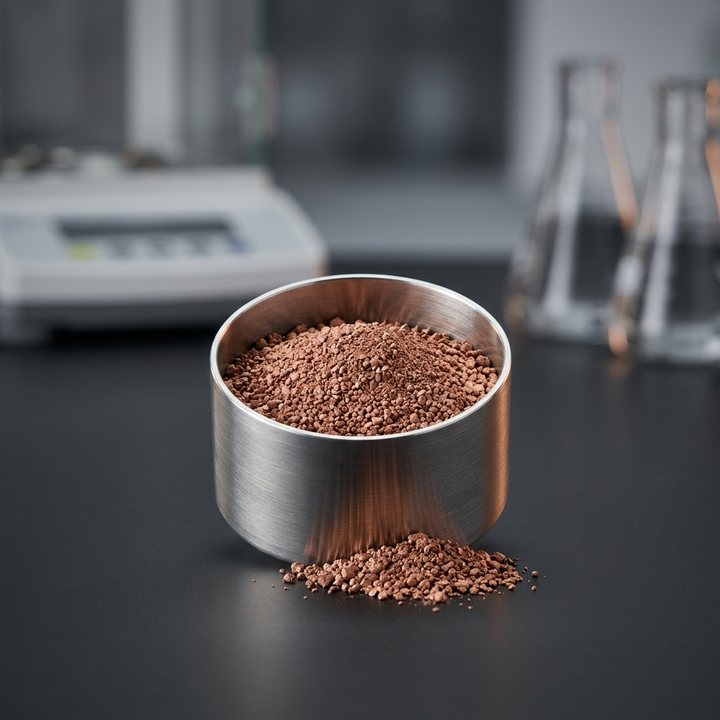
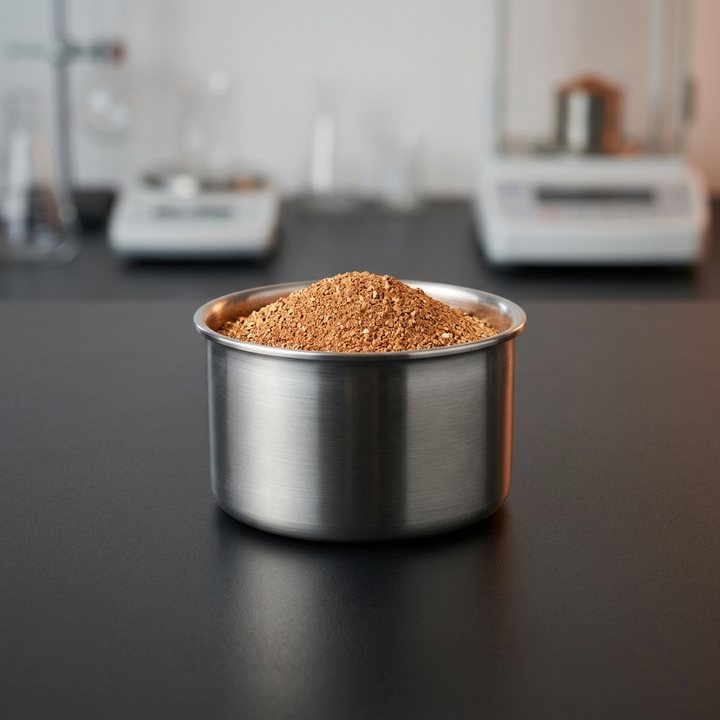
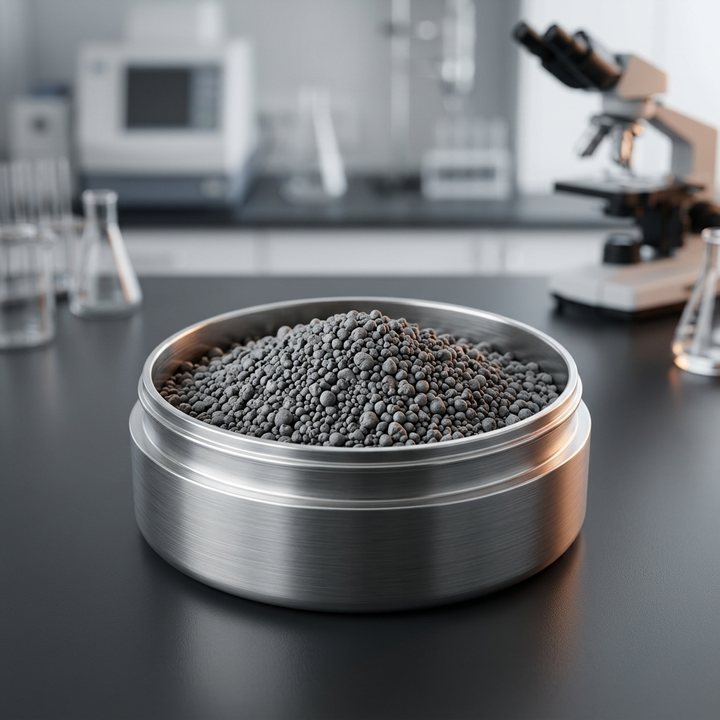
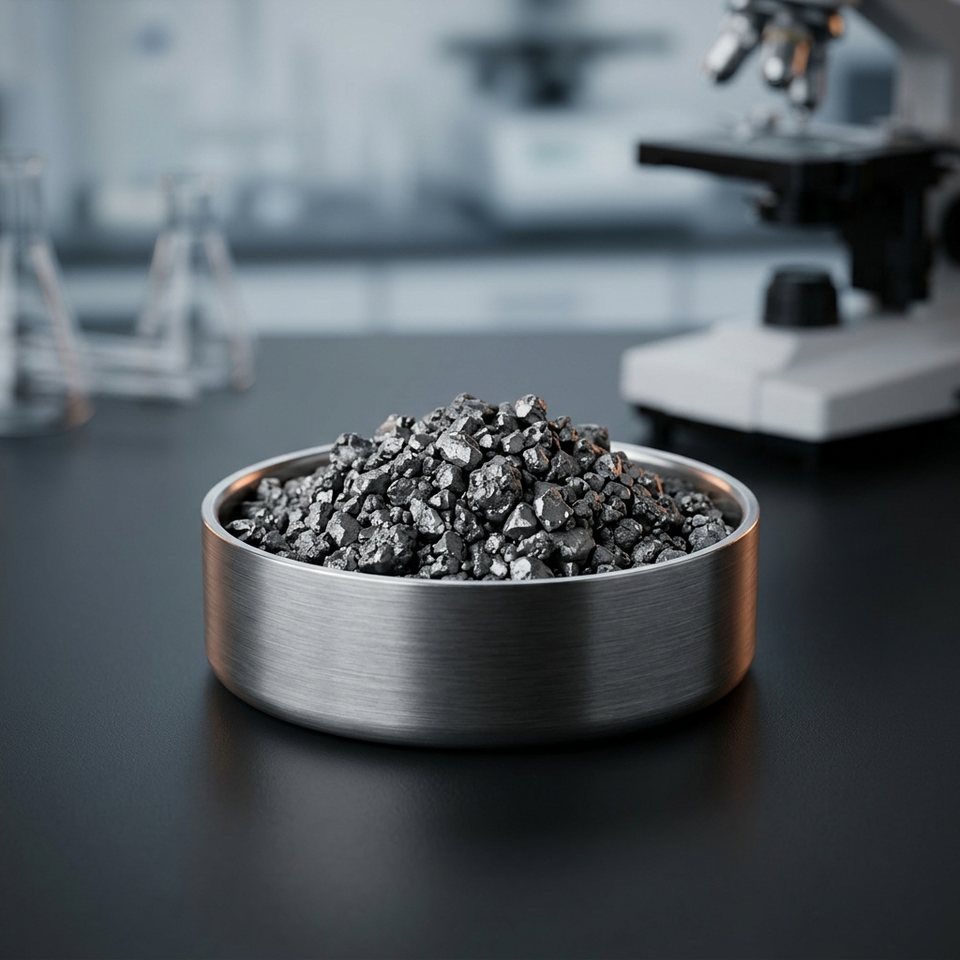
316L Stainless Steel Powder for Press & Sinter metal powder product sample

QUICK ANSWER

Performance Defined by Material and Process.

Press-and-sinter 316L is a water atomized austenitic stainless powder in coarse PM cuts (D50 80-100 µm) designed for die compaction and sintering into corrosion-resistant structural parts — pump components, lock hardware, sensor housings, and marine fittings — at 6.6-7.2 g/cm³ sintered density. It is the PM industry's standard stainless grade, distinct from the fine MIM and spherical AM cuts of the same alloy.

Water atomized 316L for pressing differs from its MIM and AM siblings in everything except chemistry: irregular coarse particles for green strength, annealed low-oxygen surface for clean sintering, and compressibility engineered for die life. The parts it makes trade some density (and therefore some corrosion performance) for the enormous cost advantage of press-and-sinter over MIM or machining — and for most industrial corrosion applications, 90-92 percent density stainless performs perfectly well. Buyers specify compressibility, green strength, and sintered corrosion testing per lot.

MATERIAL DATA

Chemistry and Technical Performance.

Lot-level controls focus on the chemistry, particle characteristics, and process values that influence manufacturing consistency and finished-part performance.

Chemical Composition

TYPICAL
ElementContentPerformance Role
Chromium (Cr)16.0-18.0 wt%Passive film former — the corrosion resistance element
Nickel (Ni)10.0-14.0 wt%Austenite stabilizer — ductility and non-magnetic structure
Molybdenum (Mo)2.0-3.0 wt%Pitting resistance in chloride service
Carbon (C)< 0.03 wt%Extra low — prevents sensitization during sintering
Oxygen (O)< 0.25 wt%Water atomization residual — anneal-reduced for sintering

Technical Specifications

BASE GRADE
Particle size
D50 80-100 µm (100 mesh base)
Morphology
Irregular, water atomized
Compressibility
> 6.4 g/cm³ at 600 MPa
Sintered density
6.6-7.2 g/cm³
Sintering
1250-1350 °C, H2, vacuum or dissociated NH3
Sintered properties
~350-450 MPa tensile, corrosion per grade

Final limits can be aligned with the agreed purchase specification.

APPLICATIONS

Developed for Demanding Industrial Applications.

01

Industrial corrosion-resistant PM is the market

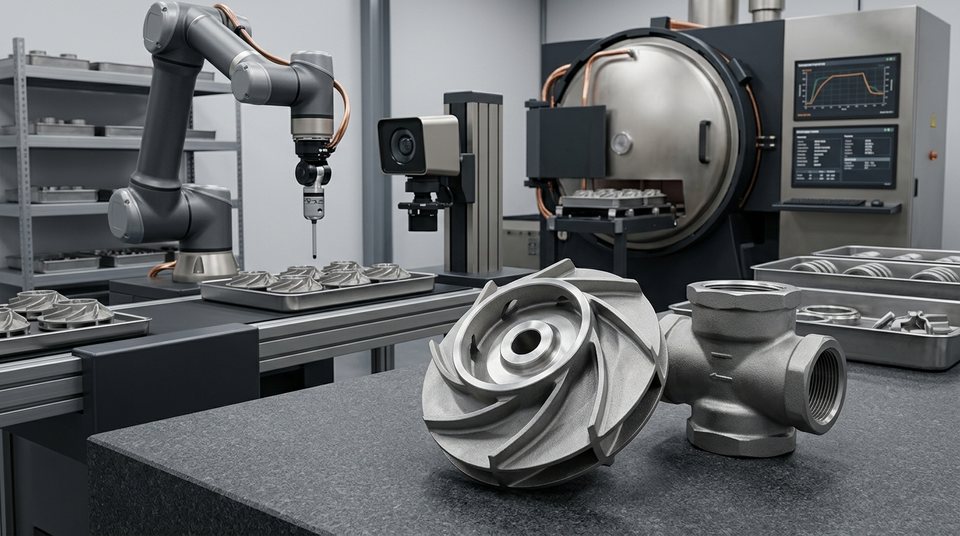
Industrial corrosion-resistant PM is the market: 316L press-sinter parts serve as pump impellers and wear rings, valve components, lock and latch hardware, food machinery fittings, and marine hardware where machined stainless is uneconomic at volume. The parts operate in water, mild chemicals, and atmospheric exposure where the grade's pitting resistance suffices. Part makers buy on sintered corrosion performance — salt spray and ferric chloride testing per lot — because sintered stainless corrosion behavior depends on powder oxygen and sintering quality as much as on chemistry.

02

The second market is filtration and porous stainless

The second market is filtration and porous stainless: press-sintered 316L porous elements for filtration and flow control (complementing the spherical bronze filters in Category 12 for corrosive service), plus PM stainless for automotive flanges, sensor bodies, and exhaust-adjacent components where heat and corrosion coincide. The grade also serves as the base for sintered friction and wear materials in corrosive environments.

316L Stainless Steel Powder for Press & Sinter industrial application detail

PRESS & SINTER (PM) POWDERS

CUSTOM SUPPLY

A Supply Specification Built Around Your Process.

We supply press-sinter 316L in the standard 100-mesh cut with certified compressibility and chemistry, plus 304L and 410L alternatives and high-compressibility annealed variants. Custom size distributions for porous filter production, low-oxygen premium lots for maximum corrosion performance, and premix blending are available. Not export-controlled.

01

We supply press-sinter 316L in the standard 100-mesh cut with certified compressibility and chemistry, plus 304L and 410L alternatives and high-compressibility annealed variants.

02

Custom size distributions for porous filter production, low-oxygen premium lots for maximum corrosion performance, and premix blending are available.

MATERIAL COMPARISON

Compare Materials Against the Production Requirement.

Press-Sinter 316L vs MIM 316L

Comparison PointThis ProductMIM 316L Powder
Sintered density6.6-7.2 g/cm³ (84-92%)> 7.6 g/cm³ (96%+)
Corrosion performanceGood — porosity-limitedNear-wrought
Part geometryPrismatic, 2D complexityFull 3D, thin walls
Mechanical propertiesModerateHigh — near-wrought
Powder costLowHigher (fine spherical)
Best useIndustrial fittings, pumps, locksPrecision medical/electronics parts

TECHNICAL FAQ

Technical Questions About This Grade.

Need a different chemistry, particle range, or processing route? Our material team can review the requirement and supply window.

What sintering atmosphere does 316L PM need?

Hydrogen, vacuum, or dissociated ammonia at 1250-1350 °C with low dew point — the chromium oxide on each particle must be reduced for proper bonding and corrosion performance. We certify oxygen per lot so your furnace reduction capacity is matched.

How does sintered density affect corrosion resistance?

Interconnected porosity traps chlorides and destroys pitting resistance — below 6.8 g/cm³ the part will underperform wrought dramatically in marine service. For chloride exposure, specify high-density pressing and our low-oxygen grade, and consider resin impregnation for porous parts.

Can PM 316L parts be welded?

Yes, with attention to porosity outgassing — TIG at low heat input works; for structural welds, higher-density parts weld more predictably.

Do you supply 304L and other PM stainless grades?

Yes — 304L (general corrosion), 410L (magnetic, exhaust), and 430L are standard alongside 316L, in the same press-sinter cuts.

Is press-sinter 316L export-controlled?

No. Stainless PM powders ship without licensing requirements.

REQUEST THIS GRADE

Turn Your Production Requirement Into a Powder Specification.

Share your target chemistry, particle size, process, annual volume, and destination. Our powder specialists will confirm the closest production grade and documentation package.

Talk to a Powder Specialist
Send Inquiry