Metal3DPMETAL3DP
PRESS & SINTER (PM) POWDERSTECHNICAL PRODUCT DATA

Copper-Based Friction Material Powder

Cu, CuSn, CuZn friction powders with certified sintering behavior. Motorcycle, racing, wind and industrial brakes. Pre-blended matrices, IATF documentation.

Types
Pure Cu, CuSn, CuZn friction grades
Particle size
45-250 µm formulation dependent
Apparent density
1.5-3.0 g/cm³
Matrix loading
50-70% of friction formulation
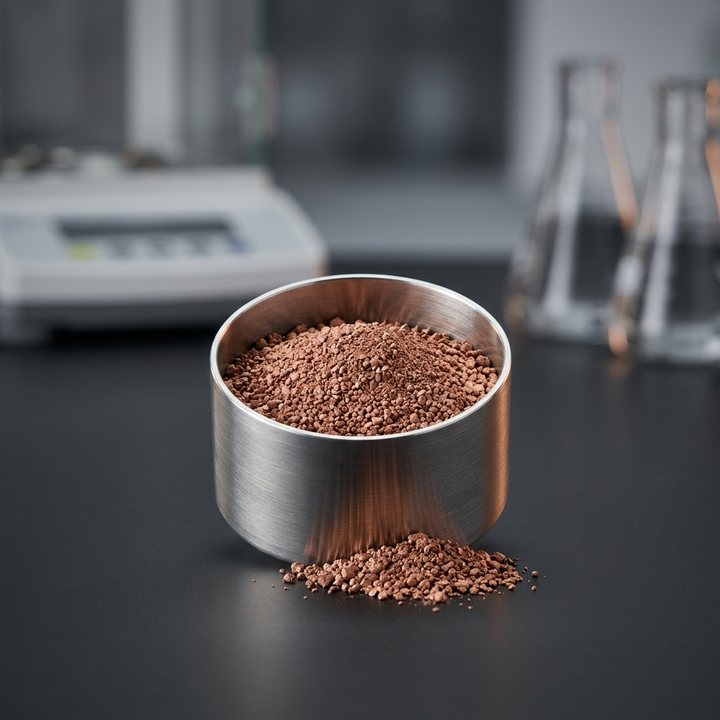
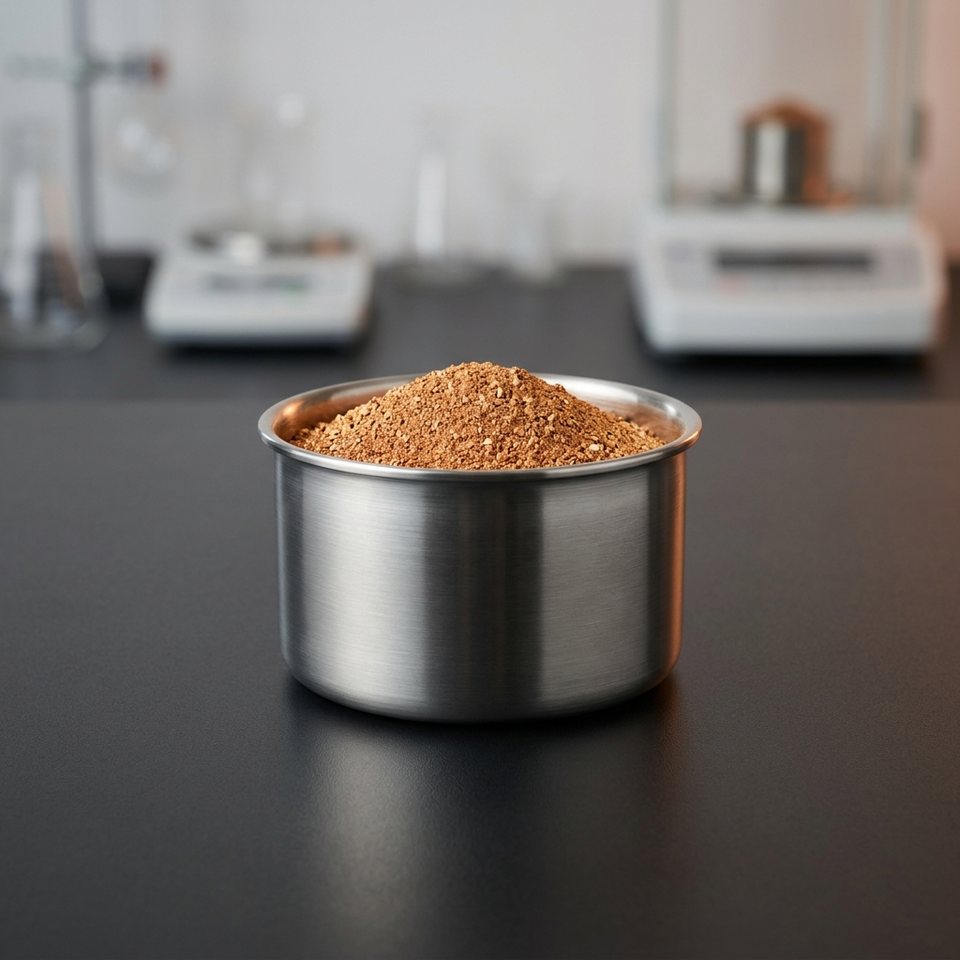
Copper-Based Friction Material Powder metal powder product sample

QUICK ANSWER

Performance Defined by Material and Process.

Copper-based friction powders are copper and copper-alloy powders (including bronze and brass variants) engineered as the metallic matrix of sintered friction materials — the brake pads and clutch plates in high-performance, heavy-duty, and motorsport applications. Sintered copper-matrix friction materials survive temperatures and energy loads that destroy organic pads, which is why they dominate motorcycle, racing, aircraft, and industrial brake markets.

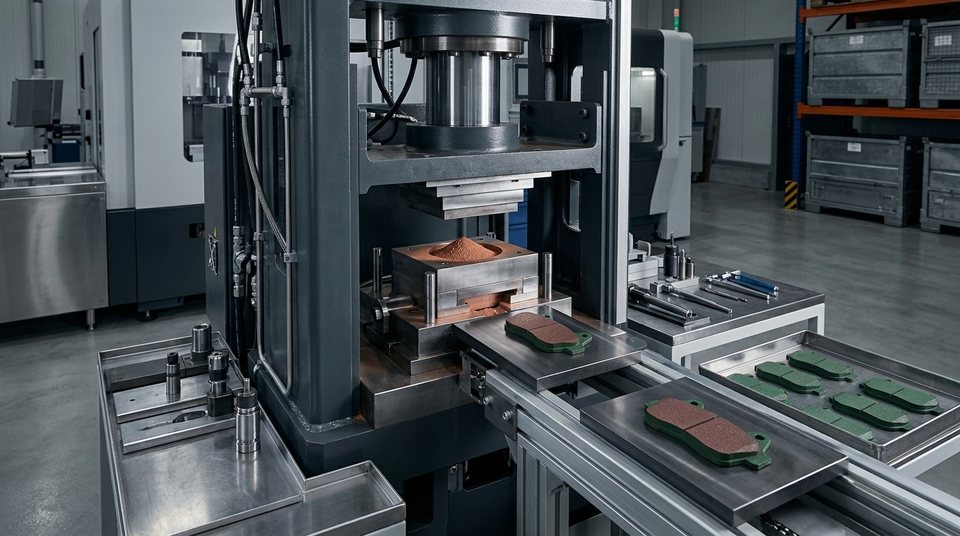
A sintered friction material is a powder metallurgy composite: copper powder forms the thermally conductive metallic matrix (50-70 percent), carrying friction modifiers (graphite, ceramics, iron powders) and wear phases, pressed and sintered onto steel backing plates. The copper matrix conducts heat away from the friction interface — the property that prevents fade under repeated heavy braking. Powder selection (purity, particle size, alloy type) sets the matrix's bond strength to both the friction ingredients and the backing plate, making powder consistency a safety-critical specification.

MATERIAL DATA

Chemistry and Technical Performance.

Lot-level controls focus on the chemistry, particle characteristics, and process values that influence manufacturing consistency and finished-part performance.

Chemical Composition

TYPICAL
ElementContentPerformance Role
Copper (Cu)> 99.0 wt% (base grade)Thermally conductive matrix — heat management of the friction system
Tin (Sn)0-10 wt% (bronze variants)Matrix strengthening and sintering control
Zinc (Zn)0-15 wt% (brass variants)Friction character modification
Iron (Fe)< 0.1 wt% (base)Impurity limit — iron content affects friction stability
Oxygen (O)< 0.3 wt%Surface condition for sinter bond integrity

Technical Specifications

BASE GRADE
Types
Pure Cu, CuSn, CuZn friction grades
Particle size
45-250 µm formulation dependent
Apparent density
1.5-3.0 g/cm³
Matrix loading
50-70% of friction formulation
Sintering
750-900 °C under pressure
Service
Brakes and clutches to 800 °C interface

Final limits can be aligned with the agreed purchase specification.

APPLICATIONS

Developed for Demanding Industrial Applications.

01

High-energy braking is the defining market

High-energy braking is the defining market: sintered copper-matrix pads serve motorcycles (the dominant OEM and aftermarket fitment for performance bikes), racing cars, mountain bikes, high-speed trains, wind turbine brakes, and industrial presses and hoists. In each case the selling point is fade resistance — copper's thermal conductivity keeps the friction interface stable where organic materials carbonize. Pad manufacturers buy copper friction powders on sintering behavior and lot consistency, because a friction coefficient shift is a safety recall, not a quality complaint.

02

Clutch and transmission applications form the second market

Clutch and transmission applications form the second market: sintered bronze friction plates for automatic transmissions, wet clutches in motorcycles and agricultural machinery, and synchronizer friction layers. These oil-immersed applications demand precise porosity in the friction layer — engineered through powder size and sintering — to manage oil film behavior. The aircraft brake market (steel and carbon-carbon systems) adds a certified premium niche where powder documentation feeds airworthiness traceability.

Copper-Based Friction Material Powder industrial application detail

PRESS & SINTER (PM) POWDERS

CUSTOM SUPPLY

A Supply Specification Built Around Your Process.

We supply friction-grade copper, bronze, and brass powders in the size ranges used by pad and plate formulators, with certified chemistry and sintering behavior per lot. Custom size distributions for specific porosity targets, pre-blended matrix powders (copper + tin + graphite to your recipe), and dual-supply security programs for safety-critical qualification are available. Not export-controlled.

01

We supply friction-grade copper, bronze, and brass powders in the size ranges used by pad and plate formulators, with certified chemistry and sintering behavior per lot.

02

Custom size distributions for specific porosity targets, pre-blended matrix powders (copper + tin + graphite to your recipe), and dual-supply security programs for safety-critical qualification are available.

MATERIAL COMPARISON

Compare Materials Against the Production Requirement.

Sintered Cu-Matrix vs Organic (NAO) Brake Pads

Comparison PointThis ProductOrganic/NAO Pads
Fade resistanceExcellent to 800 °C interfaceDegrades above 350-400 °C
Wet performanceConsistentVariable
Rotor wearHigherLow
Noise/comfortNoisierQuieter
DustLow dust, but conductiveHigh visible dust
Best useRacing, heavy duty, motorcyclesPassenger car comfort market

TECHNICAL FAQ

Technical Questions About This Grade.

Need a different chemistry, particle range, or processing route? Our material team can review the requirement and supply window.

What particle size suits brake pad formulations?

45-150 µm is the common window — fine enough for uniform mixing with friction modifiers, coarse enough to build the matrix pore structure. Wet clutch plates use specific cuts for oil-film porosity; share your formulation target and we match the distribution.

Can you supply pre-blended friction matrix powders?

Yes — copper + tin + graphite + your specified modifiers, blended with certified homogeneity, removing in-plant mixing variability from a safety-critical product.

What documentation supports brake industry qualification?

Full chemistry, size distribution, sintered test-briquette data per lot, retained samples, and change-control agreements — the package friction material IATF audits require.

Do you supply iron-based friction powders too?

Yes — sponge and atomized iron friction grades (see Category 11 sponge iron) for the iron-matrix segment serving train and industrial brakes.

Is friction-grade copper powder export-controlled?

No. These are standard industrial powders shipping without licensing.

REQUEST THIS GRADE

Turn Your Production Requirement Into a Powder Specification.

Share your target chemistry, particle size, process, annual volume, and destination. Our powder specialists will confirm the closest production grade and documentation package.

Talk to a Powder Specialist
Send Inquiry