Metal3DPMETAL3DP
SPECIALTY & COMPOSITE POWDERSTECHNICAL PRODUCT DATA

Copper Gold (Bronze) Pigment Powder

CuZn flake pigments from copper-gold to pale gold, shade-certified per lot. Ink pastes, coating powders, plastics-stabilized grades, tarnish-inhibited premium.

Shades
Copper-gold, rich gold, pale gold, lemon gold
Size range
5-40 µm (offset to screen grades)
Forms
Paste (ink grades), powder, waterborne
Leafing
Standard and high-leafing grades
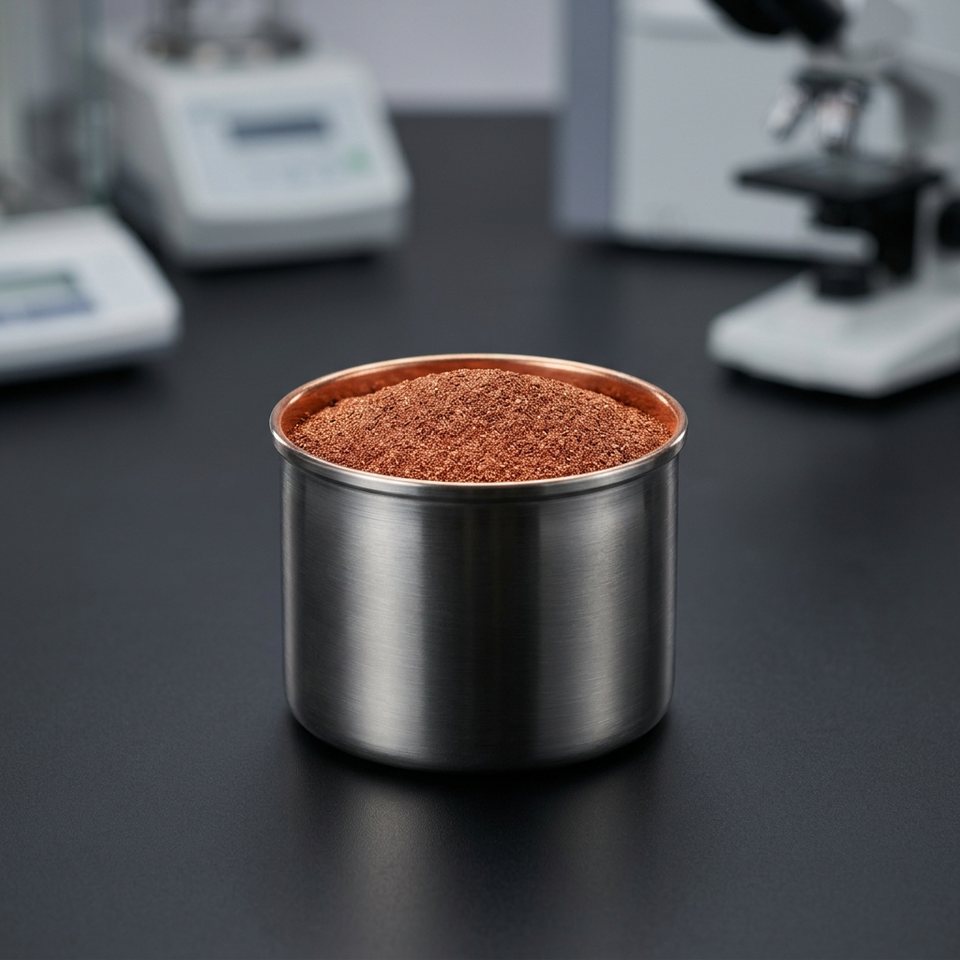
Copper Gold (Bronze) Pigment Powder metal powder product sample

QUICK ANSWER

Performance Defined by Material and Process.

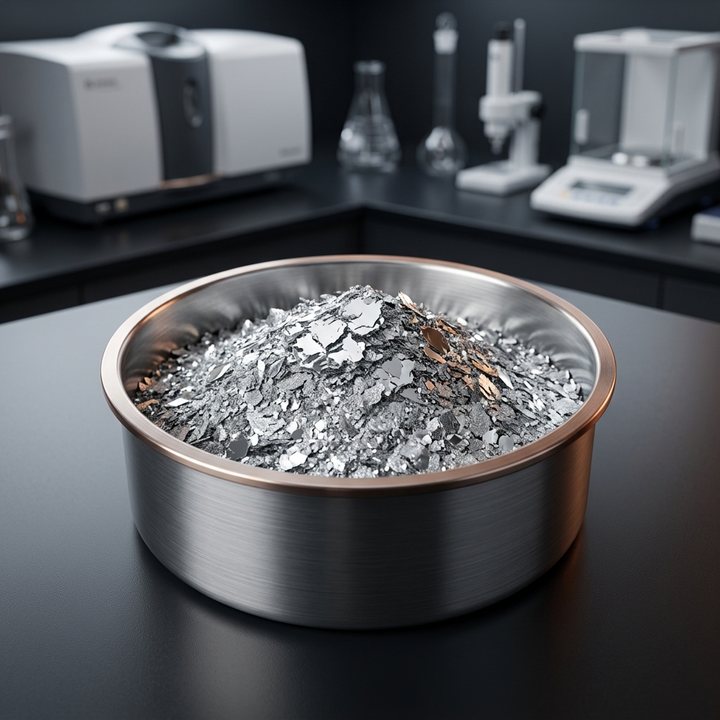
Copper gold pigment — historically called bronze powder or gold bronze — is a copper-zinc alloy flake (CuZn 70/30 to 90/10) milled to 5-40 µm with leafing or non-leafing surface treatment, producing metallic gold effects from pale gold to rich red gold depending on alloy ratio. It is the standard gold-effect pigment for printing inks, coatings, plastics, textiles, and craft applications.

The 'gold' is alloy chemistry: copper-zinc ratios shift the flake color from reddish copper-gold (high Cu) through rich gold to pale green-gold (higher Zn), and aluminum additions create the lightest pale-gold shades. The pigment leafs like aluminum — floating flakes create continuous gold films in inks and coatings at a fraction of any alternative's cost. The market spans packaging and publication printing (gold inks), decorative coatings, wallpaper, textile printing, and plastics, buying on shade consistency (delta-E against standard), leafing quality, and tarnish resistance of the finished film.

MATERIAL DATA

Chemistry and Technical Performance.

Lot-level controls focus on the chemistry, particle characteristics, and process values that influence manufacturing consistency and finished-part performance.

Chemical Composition

TYPICAL
ElementContentPerformance Role
Copper (Cu)70-90 wt% (shade dependent)Base metal — sets the gold shade from red to pale
Zinc (Zn)10-30 wt%Shade shifter — higher Zn lightens toward pale gold
Aluminum (Al)0-3 wt% (pale shades)Lightens to the palest gold tones
LubricantStearic acid typeLeafing control and milling aid
Tarnish inhibitorsSurface treatmentSlows the oxidation that dulls gold effects

Technical Specifications

BASE GRADE
Shades
Copper-gold, rich gold, pale gold, lemon gold
Size range
5-40 µm (offset to screen grades)
Forms
Paste (ink grades), powder, waterborne
Leafing
Standard and high-leafing grades
Heat resistance
To ~180 °C (plastics grades stabilized)
Main markets
Printing inks, decorative coatings, plastics

Final limits can be aligned with the agreed purchase specification.

APPLICATIONS

Developed for Demanding Industrial Applications.

01

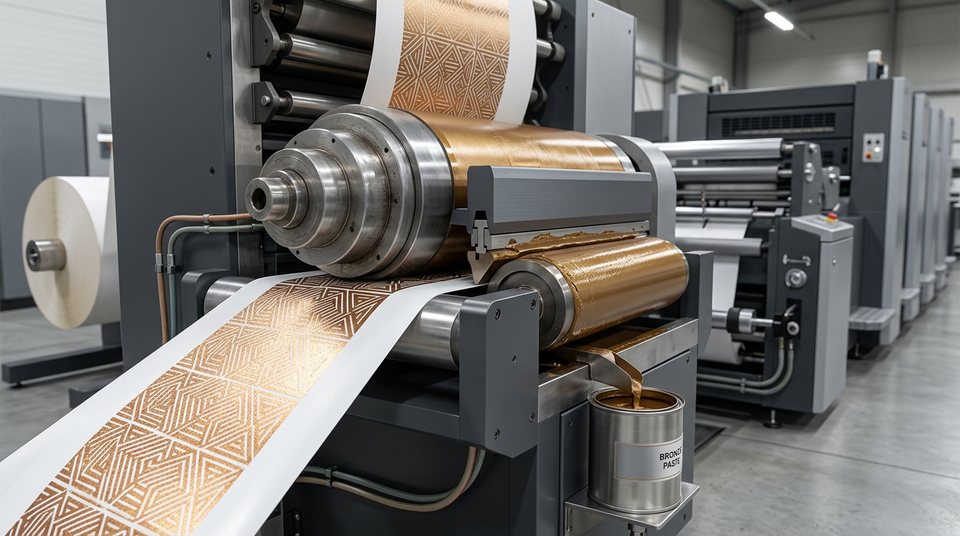
Printing inks are the classic market

Printing inks are the classic market: gold bronze pigment formulates into offset, gravure, flexo, and screen inks printing packaging, labels, publications, and security-adjacent decorative work — anywhere a gold effect sells the product. Ink makers buy on shade certification (each lot measured against the standard), particle size matched to the printing process (finer for offset, coarser for screen), and leafing behavior that controls print gloss. Paste form for ink manufacture is the standard supply mode.

02

Decorative coatings and consumer applications follow

Decorative coatings and consumer applications follow: gold-effect paints for furniture, frames, and architectural accents; textile printing pastes; wallpaper and gift-wrap coatings; plastics coloration for cosmetics packaging and seasonal goods; and craft/hobby markets. Tarnish resistance is the recurring technical theme — copper-zinc oxidizes and darkens in service, so premium grades carry inhibitor treatments and buyers specify topcoat compatibility for applications needing durable gold effects.

Copper Gold (Bronze) Pigment Powder industrial application detail

SPECIALTY & COMPOSITE POWDERS

CUSTOM SUPPLY

A Supply Specification Built Around Your Process.

We supply copper gold pigment across the shade range (copper-gold through pale gold) in ink-grade pastes, coating-grade powders, and plastics-stabilized grades, with certified shade values against standards per lot. Custom shade matching, tarnish-inhibited premium grades, and waterborne-compatible versions are available. Not export-controlled.

01

We supply copper gold pigment across the shade range (copper-gold through pale gold) in ink-grade pastes, coating-grade powders, and plastics-stabilized grades, with certified shade values against standards per lot.

02

Custom shade matching, tarnish-inhibited premium grades, and waterborne-compatible versions are available.

MATERIAL COMPARISON

Compare Materials Against the Production Requirement.

Bronze Gold vs Aluminum Pigment + Tinting

Comparison PointThis ProductTinted Aluminum
Gold effect qualityTrue metallic gold tonesApproximation — grayer, less rich
Color rangeRed-gold to pale gold by alloyLimited by tint transparency
Hiding powerHighModerate
CostLow-moderateLow
Tarnish behaviorDarkens over time (managed)Stable but wrong color base
Best useAuthentic gold effectsCost-first metallic approximations

TECHNICAL FAQ

Technical Questions About This Grade.

Need a different chemistry, particle range, or processing route? Our material team can review the requirement and supply window.

How do I specify the gold shade?

By our shade standards (copper-gold, rich gold, pale gold, lemon gold) with delta-E certification per lot — or send a target and we match it. Shade comes from alloy ratio, so consistency is guaranteed at the alloy level, not by tinting.

Why does gold bronze print dull over time, and how is it prevented?

Copper-zinc oxidizes — the gold darkens toward brown. Prevention is three-layered: inhibitor-treated pigment, varnish/vehicle chemistry that seals the flake, and topcoating for exposed applications. Our premium grades carry all applicable treatments.

Which size grade for offset versus screen printing?

Offset needs the finest grades (5-12 µm) to transfer through the blanket; screen inks use 12-40 µm depending on mesh. Gravure and flexo sit between. We supply ink-maker pastes pre-matched to each process.

Can bronze pigment be used in plastics?

Yes — heat-stabilized grades survive standard compounding and molding to about 180 °C; above that, the flake darkens. For engineering-resin temperatures, pearlescent gold is the alternative.

Is copper gold pigment export-controlled?

No. Copper-zinc pigment powders and pastes ship as standard decorative raw materials.

REQUEST THIS GRADE

Turn Your Production Requirement Into a Powder Specification.

Share your target chemistry, particle size, process, annual volume, and destination. Our powder specialists will confirm the closest production grade and documentation package.

Talk to a Powder Specialist
Send Inquiry