Metal3DPMETAL3DP

PRODUCT CATEGORY

Press & Sinter (PM) Powders

Page 2 of 2

PAGE 2

More Press & Sinter (PM) Powders.

Review individual chemistry, technical specifications, application guidance, material comparisons, and inquiry access for every published grade in this category.

Request a Custom Grade
Reduced (Sponge) Iron Powder
Press & Sinter (PM) Powders

Reduced (Sponge) Iron Powder

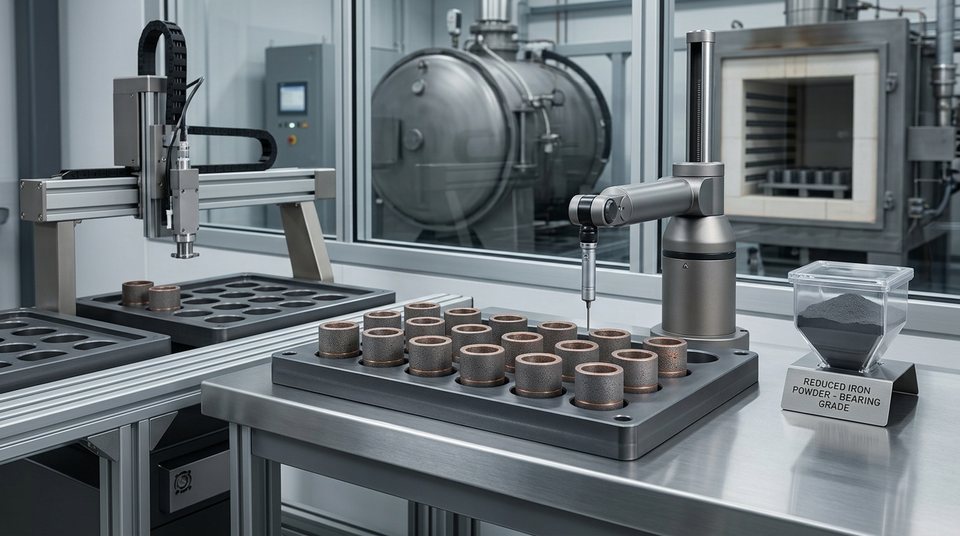
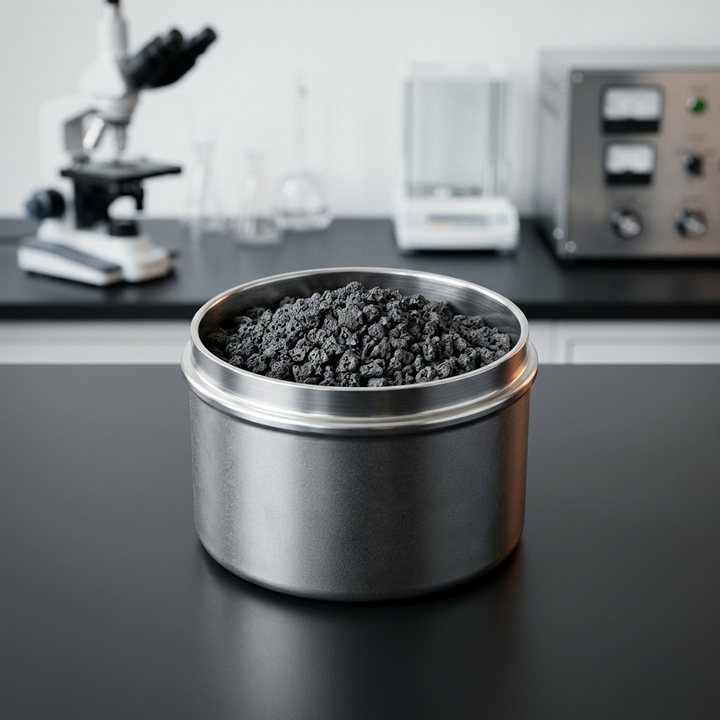
Porous sponge iron powder with top green strength and oil retention. Self-lubricating bearings, friction, welding electrodes, chemical grades. Lot-certified.

Particle size
45-250 µm standard cuts
Morphology
Porous sponge, irregular
View Product

CATEGORY INTRODUCTION

What Defines Press & Sinter (PM) Powders?

Compressible iron and steel powder systems for repeatable, high-volume structural components.

Metal3DP organizes this family around die compaction & sintering, with material options including Pure Fe · Alloyed Steel · Premixes. Individual grades document the chemistry, particle behavior, technical limits, applications, and relevant material comparisons.

Standard products can be matched to established manufacturing routes, while custom programs can align particle cuts, composition, processing, packaging, and lot inspection with the customer’s production window.

Discuss Your Application
Press & Sinter (PM) Powders product and application detail

CATEGORY ADVANTAGES

Why Source Press & Sinter (PM) Powders From Metal3DP?

A useful powder specification connects material composition, particle behavior, manufacturing conditions, inspection, and supply consistency.

01

Controlled Particle Character

Particle size, morphology, flow, apparent density, and surface condition are aligned with the intended manufacturing route.

02

Application-Specific Chemistry

Standard and custom compositions connect material behavior with service temperature, wear, strength, conductivity, or joining performance.

03

Documented Supply

Agreed chemistry, particle distribution, inspection values, packaging, and traceability can be controlled at lot level.

04

Technical Alignment

Material selection starts with the equipment, process window, finished component, annual volume, and quality requirements.

COMPANY INTRODUCTION

Industrial Powder Expertise From Development to Delivery.

Metal3DP Technology Co., Ltd. is an advanced metal powder supplier headquartered in Qingdao, China. We combine material engineering, powder production resources, application support, inspection, and international supply coordination across demanding manufacturing processes.

For press & sinter (pm) powders, our team translates equipment, process conditions, finished-part targets, annual volume, and documentation needs into a practical purchase specification and quality plan.

About Metal3DP
Plant Area
15,000 m²
Production Lines
15
Customers
600+
Quality System
ISO 9001

CATEGORY FAQ

Press & Sinter (PM) Powders Questions.

Technical answers for material selection, customization, quality documentation, and supply discussions.

What Are Press & Sinter (PM) Powders Used For?

Press & Sinter (PM) Powders support manufacturing routes and industrial applications where chemistry, particle size, morphology, and process consistency directly influence finished-part performance. Review the individual grades for specific applications and operating windows.

How Do I Select a Grade Within Press & Sinter (PM) Powders?

Start with the application and manufacturing process, then define chemistry, particle distribution, morphology, flow, apparent density, and any critical performance targets. Metal3DP can compare these requirements with the available press & sinter (pm) powders.

Can Metal3DP Customize Chemistry or Particle Size?

Yes. Depending on the material family and production route, custom chemistry, particle cuts, blending, coating, heat treatment, and packaging can be reviewed against the required volume and specification.

What Quality Documents Are Available?

Available documentation can include chemical composition, particle size distribution, morphology, apparent density, flow behavior, and other agreed inspection values on a lot-level certificate of analysis.

What Information Should I Include With an Inquiry?

Share the product or alloy, process, target particle size, equipment, finished application, annual volume, destination, and required standards. This allows the material team to identify a standard grade or define a custom supply specification.

CUSTOM POWDER PROGRAMS

Need a Different Chemistry or Particle Range?

Share your process, equipment, performance target, annual volume, and destination. We will match an existing grade or define a custom supply specification.

Talk to a Powder Specialist
Send Inquiry