Metal3DPMETAL3DP
THERMAL SPRAY & HARDFACING POWDERSTECHNICAL PRODUCT DATA

MCrAlY Bond Coat Powder (NiCrAlY / CoCrAlY)

NiCrAlY / CoCrAlY

Gas-atomized MCrAlY powders for turbine TBC bond coats and hot corrosion protection. APS, VPS, HVOF cuts with certified yttrium content and OEM-spec chemistries.

Grades
NiCrAlY, CoCrAlY, NiCoCrAlY, NiCoCrAlYTa
Particle size
5-37 µm (APS/VPS bond coat), 15-45 µm (HVOF)
Morphology
Spherical, gas atomized
Oxygen content
< 0.05 wt% (premium grades < 0.02%)
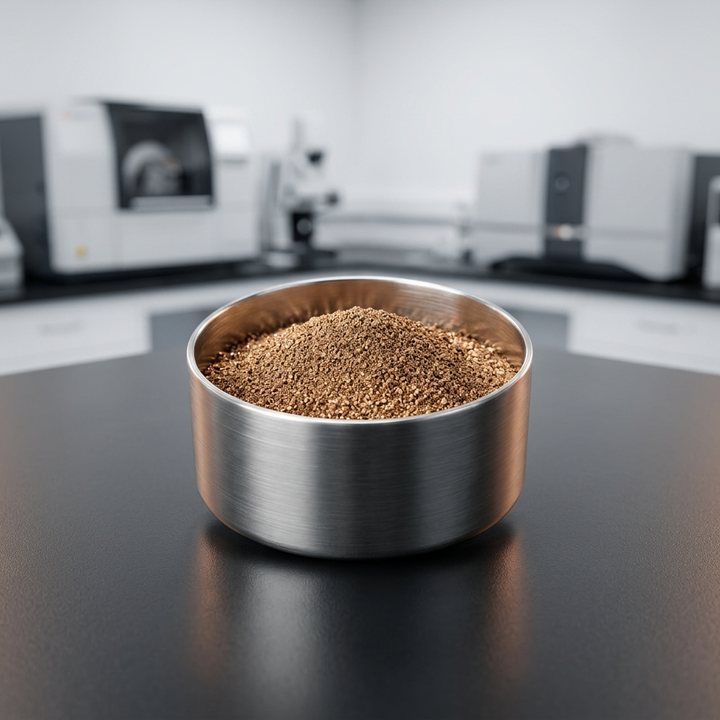
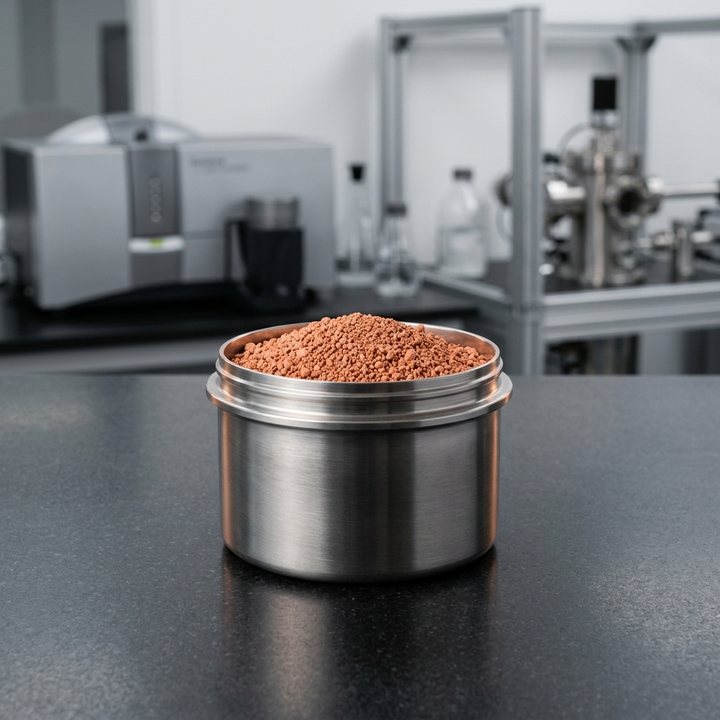
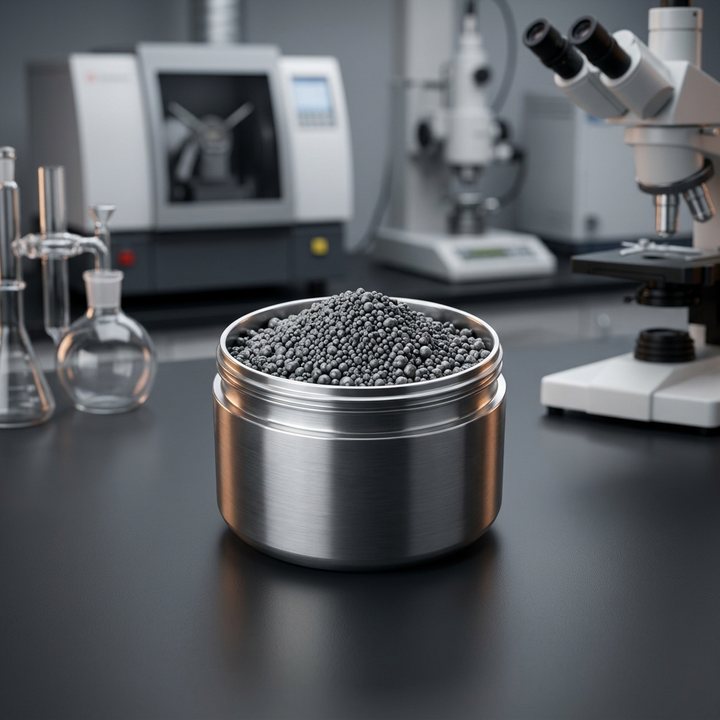
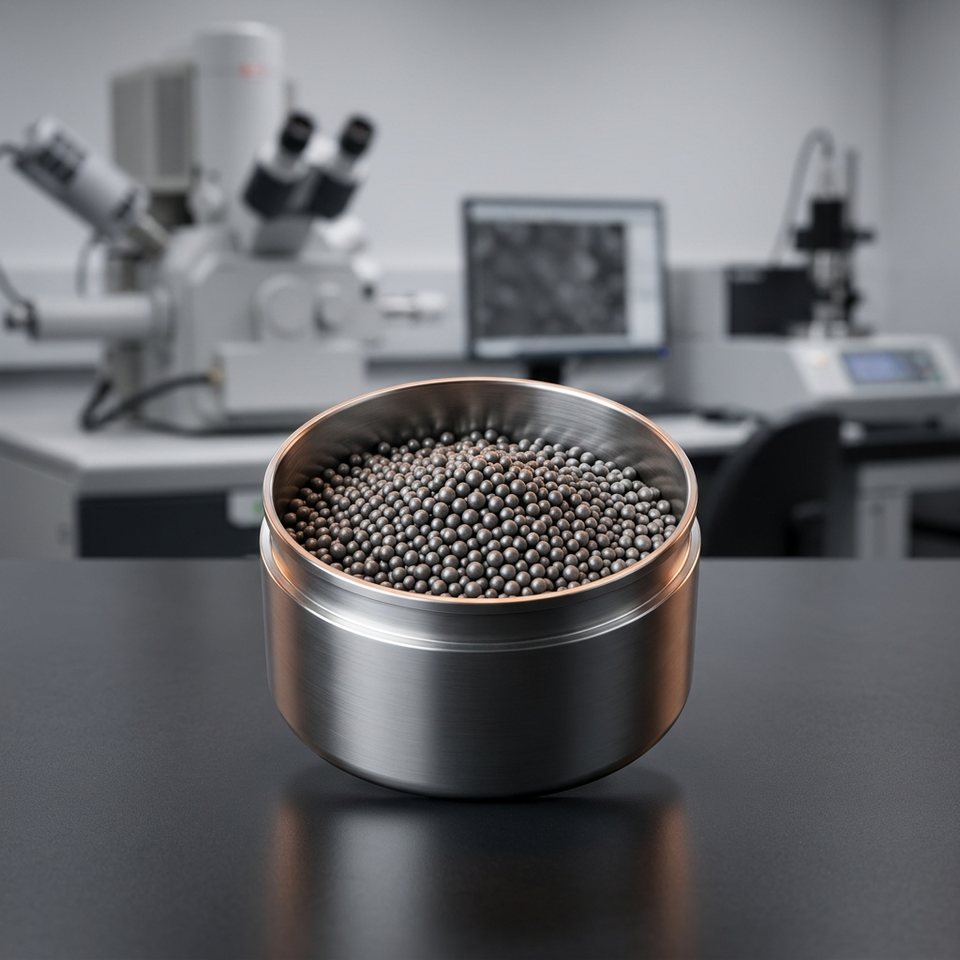
MCrAlY Bond Coat Powder (NiCrAlY / CoCrAlY) metal powder product sample

QUICK ANSWER

Performance Defined by Material and Process.

MCrAlY powder is a family of nickel- or cobalt-based alloy powders containing chromium, aluminum, and yttrium, sprayed by plasma, HVOF, or VPS as oxidation-resistant bond coats beneath thermal barrier coatings (TBC) and as standalone hot-corrosion protection on gas turbine blades, vanes, and combustor hardware. The 'M' stands for the base metal — nickel, cobalt, or a blend — selected to match the substrate alloy and the service temperature.

MCrAlY is where thermal spray powder becomes aerospace-critical. The aluminum and chromium form protective alumina/chromia scales at 900-1100 °C, while a few tenths of a percent of yttrium dramatically improves scale adhesion through thousands of thermal cycles. This is a specification market: turbine OEMs and their repair networks buy to exact chemistries, particle size cuts, and traceability standards, and powder consistency directly determines TBC life in flight engines and industrial gas turbines alike.

MATERIAL DATA

Chemistry and Technical Performance.

Lot-level controls focus on the chemistry, particle characteristics, and process values that influence manufacturing consistency and finished-part performance.

Chemical Composition

TYPICAL
ElementContentPerformance Role
Nickel / Cobalt (Ni, Co)BalanceBase matrix matched to substrate alloy and temperature regime; Co-base preferred for hot corrosion, Ni-base for oxidation
Chromium (Cr)15-25 wt%Forms protective chromia and promotes alumina formation at temperature
Aluminum (Al)8-14 wt%Forms the slow-growing alumina scale that protects the coating and substrate
Yttrium (Y)0.3-0.8 wt%Reactive element that anchors the oxide scale through thermal cycling — the critical life multiplier
Silicon + Hafnium (optional)0.5-2 wt% combinedPremium additions that further extend cyclic oxidation life in modern grades

Technical Specifications

BASE GRADE
Grades
NiCrAlY, CoCrAlY, NiCoCrAlY, NiCoCrAlYTa
Particle size
5-37 µm (APS/VPS bond coat), 15-45 µm (HVOF)
Morphology
Spherical, gas atomized
Oxygen content
< 0.05 wt% (premium grades < 0.02%)
Service temperature
900-1150 °C depending on grade
Application processes
APS, VPS/LPPS, HVOF

Final limits can be aligned with the agreed purchase specification.

APPLICATIONS

Developed for Demanding Industrial Applications.

01

The defining application

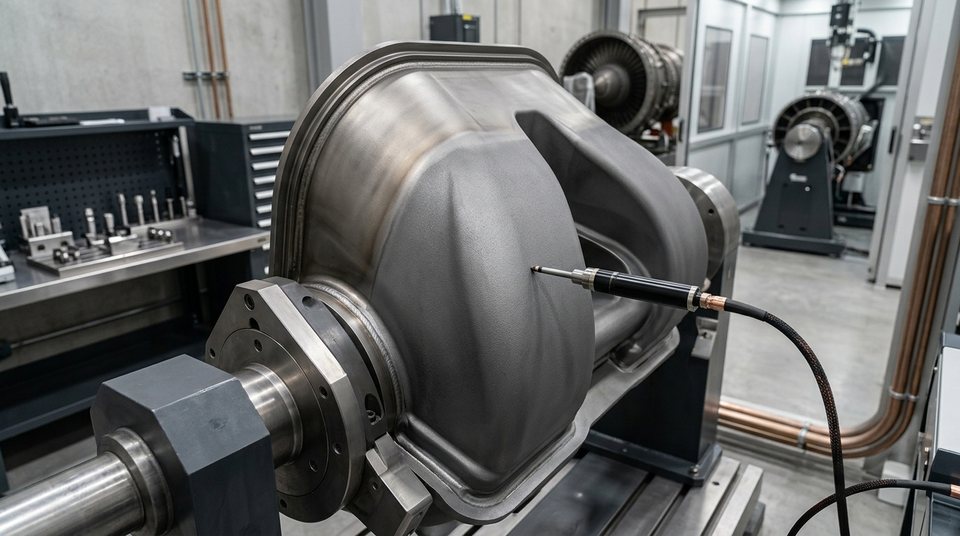
The defining application is the bond coat layer in thermal barrier coating systems on gas turbine hot-section components: blades, vanes, combustors, and transition ducts in both aero engines and industrial turbines. A 100-300 µm MCrAlY layer sits between the superalloy substrate and the ceramic topcoat, protecting against oxidation and providing the compliant interface that lets the system survive thousands of thermal cycles. Repair shops reapply MCrAlY during every major overhaul, making this a recurring consumable market tied directly to flight hours and fired hours.

02

Outside turbines, MCrAlY

Outside turbines, MCrAlY serves as a standalone oxidation and hot-corrosion coating in waste incineration boilers, biomass plants, petrochemical furnace hardware, and heat-treatment fixtures — anywhere steel or nickel alloys face hot, corrosive atmospheres. In these industrial markets the buyer is often a coating job shop choosing between NiCrAlY (oxidizing service) and CoCrAlY (sulfidation/hot corrosion service), and the purchase criteria are deposit efficiency, coating chemistry consistency, and price per kilogram of sprayed coating rather than per kilogram of powder.

MCrAlY Bond Coat Powder (NiCrAlY / CoCrAlY) industrial application detail

THERMAL SPRAY & HARDFACING POWDERS

CUSTOM SUPPLY

A Supply Specification Built Around Your Process.

We supply the standard grade matrix (NiCrAlY, CoCrAlY, NiCoCrAlY with various Cr/Al ratios) in plasma, VPS, and HVOF size cuts, gas atomized with low oxygen and certified yttrium content per lot. Custom chemistries including Ta, Si, and Hf-bearing premium variants are available to OEM or overhaul specification, with full traceability and retained-sample archiving. Note: yttrium is a controlled rare earth element in China; our MCrAlY powders contain yttrium below licensing thresholds and ship with the required composition declarations — we confirm current export documentation requirements at order placement.

01

We supply the standard grade matrix (NiCrAlY, CoCrAlY, NiCoCrAlY with various Cr/Al ratios) in plasma, VPS, and HVOF size cuts, gas atomized with low oxygen and certified yttrium content per lot.

02

Custom chemistries including Ta, Si, and Hf-bearing premium variants are available to OEM or overhaul specification, with full traceability and retained-sample archiving.

03

Note: yttrium is a controlled rare earth element in China; our MCrAlY powders contain yttrium below licensing thresholds and ship with the required composition declarations — we confirm current export documentation requirements at order placement.

MATERIAL COMPARISON

Compare Materials Against the Production Requirement.

NiCrAlY vs CoCrAlY Bond Coats

Comparison PointThis ProductCoCrAlY
Primary protectionHigh-temperature oxidation (alumina former)Hot corrosion / sulfidation resistance
Service regimeClean fuel, high temperature, aero turbinesDirty fuel, marine, industrial turbines
DuctilityBetter — more compliant bond coatStiffer — higher Cr/Co strength
Typical substrate matchNi-base superalloysCo-base superalloys and industrial blades
CostLowerHigher (cobalt content)
Common formNiCoCrAlY blends balance bothNiCoCrAlY blends balance both

TECHNICAL FAQ

Technical Questions About This Grade.

Need a different chemistry, particle range, or processing route? Our material team can review the requirement and supply window.

How do I select the M in MCrAlY?

Match the service environment: predominantly oxidizing at high temperature — NiCrAlY; sulfidation or hot corrosion from dirty fuels — CoCrAlY; mixed or uncertain duty — NiCoCrAlY blends, which is why they are the most common industrial choice.

What yttrium level do I need, and is it export-restricted?

0.3-0.8 wt% is standard; more does not help and can embrittle the coating. Yttrium is a listed rare earth under China's 2025 export controls, but finished alloy powders below specified thresholds ship with composition declarations — we handle the documentation and confirm requirements per shipment.

Which spray process should I use?

VPS/LPPS gives the cleanest, most oxide-free bond coats for aero applications; APS is the industrial standard; HVOF produces the densest coatings and is increasingly used for repair. We supply size cuts optimized for each.

Can you match an OEM specification chemistry?

Yes — send the specification (AMS, GE, PW, Siemens, or equivalent) and we produce to it with full traceability, retained samples, and certification of every element.

What powder size cut do I need for APS versus HVOF?

APS typically runs 5-37 or 11-45 µm; HVOF runs finer, denser-feeding 15-45 µm spherical cuts. Tell us your equipment and we ship the matched cut with flow data.

REQUEST THIS GRADE

Turn Your Production Requirement Into a Powder Specification.

Share your target chemistry, particle size, process, annual volume, and destination. Our powder specialists will confirm the closest production grade and documentation package.

Talk to a Powder Specialist
Send Inquiry