Metal3DPMETAL3DP
THERMAL SPRAY & HARDFACING POWDERSTECHNICAL PRODUCT DATA

NiAl 95/5 Bond Coat Powder

Exothermic NiAl 95/5 bond coat powder, > 40 MPa bond strength. Clad and pre-alloyed forms for flame, plasma and arc spray. Universal first layer for coating systems.

Forms available
Clad composite (Ni-clad-Al) and pre-alloyed
Particle size
45-106 µm (flame/arc spray), 15-53 µm (plasma)
Bond strength
> 40 MPa on prepared steel
Oxidation resistance
To ~800 °C
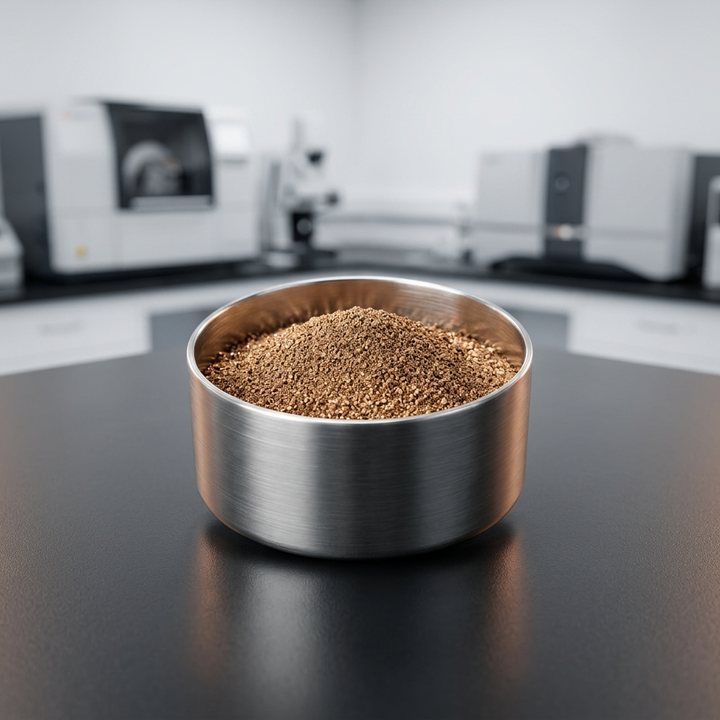
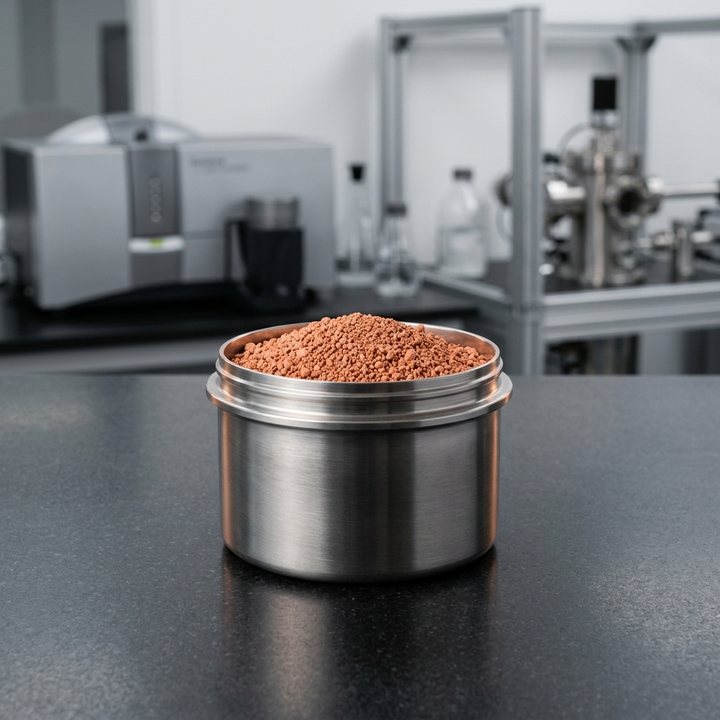
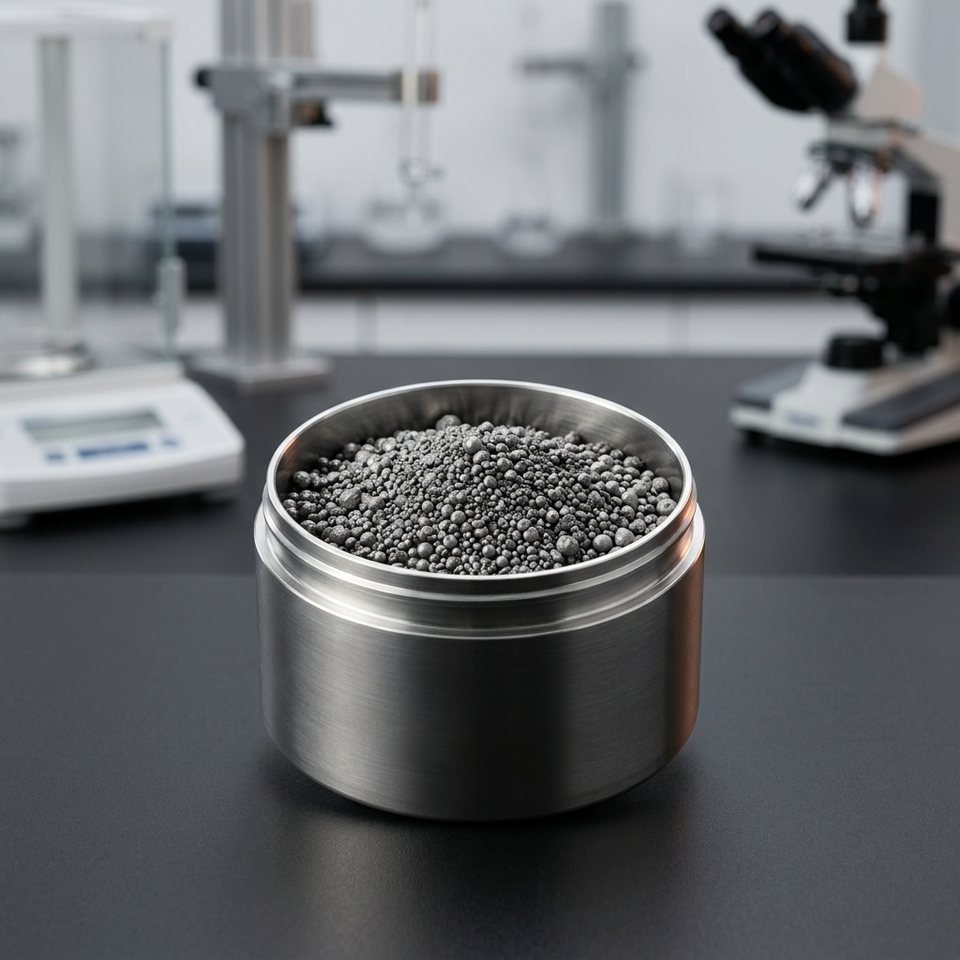
NiAl 95/5 Bond Coat Powder metal powder product sample

QUICK ANSWER

Performance Defined by Material and Process.

NiAl 95/5 is a nickel-aluminum composite powder (95% nickel, 5% aluminum) used as the universal bond coat in thermal spray systems. Sprayed by flame, arc, or plasma, it undergoes an exothermic reaction during deposition that creates a self-bonding layer with bond strengths exceeding 40 MPa — the standard first layer under virtually every ceramic, carbide, or alloy topcoat, and a standalone oxidation-resistant coating in its own right.

Every spray shop in the world keeps NiAl 95/5 on the shelf because it solves the fundamental problem of thermal spray: getting the coating to stick. The nickel-aluminum exothermic reaction at the particle level produces localized metallurgical bonding even on grit-blasted steel, and the resulting layer is itself oxidation resistant to about 800 °C. It is sold in two forms — mechanically clad composite particles (nickel clad around aluminum cores) and pre-alloyed — with clad powder giving the stronger exothermic reaction for flame spraying.

MATERIAL DATA

Chemistry and Technical Performance.

Lot-level controls focus on the chemistry, particle characteristics, and process values that influence manufacturing consistency and finished-part performance.

Chemical Composition

TYPICAL
ElementContentPerformance Role
Nickel (Ni)~95 wt%Oxidation-resistant matrix; carries the exothermic reaction and provides the tough bond layer
Aluminum (Al)~5 wt%Reacts exothermically with nickel during spraying, generating self-bonding heat
Iron (Fe)< 0.5 wt%Impurity limit — excess iron degrades bond quality
Carbon (C)< 0.1 wt%Controlled low to keep the bond layer ductile
Others< 0.5 wt% totalPurity control for consistent exothermic behavior

Technical Specifications

BASE GRADE
Forms available
Clad composite (Ni-clad-Al) and pre-alloyed
Particle size
45-106 µm (flame/arc spray), 15-53 µm (plasma)
Bond strength
> 40 MPa on prepared steel
Oxidation resistance
To ~800 °C
Coating hardness
~75-85 HRB (machinable)
Typical thickness
50-150 µm as bond coat

Final limits can be aligned with the agreed purchase specification.

APPLICATIONS

Developed for Demanding Industrial Applications.

01

As a bond coat, NiAl 95/5

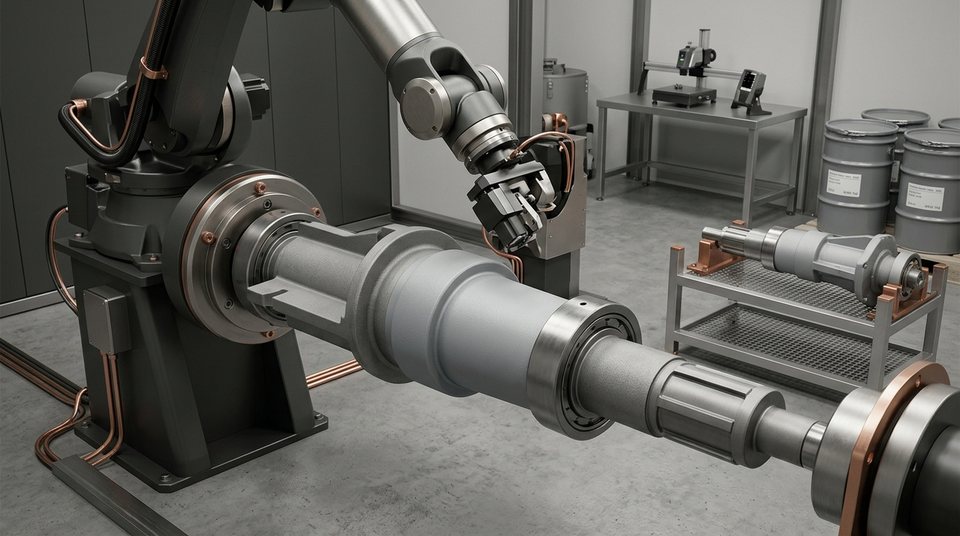
As a bond coat, NiAl 95/5 is applied before almost every multi-layer thermal spray system: under alumina and zirconia ceramics, under carbide wear coatings, under stainless and bronze restoration layers. The workflow in any dimensional-restoration job — a worn shaft, a scored hydraulic rod, a corroded pump housing — starts with a NiAl bond layer after grit blasting, because it guarantees the expensive topcoat stays attached in service. Spray shops buy it by the pallet as a consumable tied directly to their job volume.

02

As a standalone coating, NiAl 95/5

As a standalone coating, NiAl 95/5 serves where moderate oxidation resistance and a machinable, ductile layer are needed: exhaust system components, furnace fixtures, exhaust manifold protection, and as a salvage coating on mismachined aluminum and steel parts where its self-bonding nature lets it grip even marginal surface preparation. Arc-sprayed NiAl is also the standard bond coat under arc-sprayed zinc and aluminum anti-corrosion systems on steel infrastructure.

NiAl 95/5 Bond Coat Powder industrial application detail

THERMAL SPRAY & HARDFACING POWDERS

CUSTOM SUPPLY

A Supply Specification Built Around Your Process.

We supply both clad and pre-alloyed NiAl 95/5 in flame spray (45-106 µm), arc spray cored wire feedstock powder, and plasma (15-53 µm) cuts. Custom Ni/Al ratios (90/10 for higher exotherm, 80/20 for maximum oxidation resistance), and Mo-bearing variants (NiAlMo) for improved high-temperature bond strength are available. Standard 10 kg and 25 kg packaging with flow and chemistry certification. Not export-controlled.

01

We supply both clad and pre-alloyed NiAl 95/5 in flame spray (45-106 µm), arc spray cored wire feedstock powder, and plasma (15-53 µm) cuts.

02

Custom Ni/Al ratios (90/10 for higher exotherm, 80/20 for maximum oxidation resistance), and Mo-bearing variants (NiAlMo) for improved high-temperature bond strength are available.

03

Standard 10 kg and 25 kg packaging with flow and chemistry certification.

MATERIAL COMPARISON

Compare Materials Against the Production Requirement.

NiAl 95/5 vs Molybdenum Bond Coat Powder

Comparison PointThis ProductMo Bond Coat
Bond mechanismExothermic self-bonding — grips most metalsHigh melting point adhesion; excellent on steel
Oxidation resistanceGood to 800 °CPoor — Mo oxidizes rapidly above 400 °C
MachinabilityGoodExcellent
CostModerateHigher
Typical useUniversal bond coat, all processesPlasma bond coats, bearing surfaces
Self-bonding to aluminumYesPoor

TECHNICAL FAQ

Technical Questions About This Grade.

Need a different chemistry, particle range, or processing route? Our material team can review the requirement and supply window.

Do I always need a bond coat?

Almost always for ceramics and always on smooth or corrosion-contaminated substrates. The exceptions are soft metals like zinc and aluminum arc-sprayed onto well-blasted steel, which bond adequately without one.

Clad or pre-alloyed — which should I buy?

For flame spraying, clad powder's strong exothermic reaction gives the best bond. For plasma and HVOF, pre-alloyed powder is preferred because clad particles can react prematurely in the hotter plasma plume.

How thick should the bond coat be?

50-150 µm is the standard window. Thinner risks incomplete coverage after blasting profile; thicker wastes money and can reduce system adhesion through residual stress.

Can NiAl 95/5 be sprayed onto aluminum parts?

Yes — its self-bonding exothermic reaction is one of the few options that bonds reliably to grit-blasted aluminum, making it the standard salvage and restoration coating for aluminum components.

Is NiAl powder export-controlled?

No. Nickel-aluminum bond coat powders are unrestricted commercial products.

REQUEST THIS GRADE

Turn Your Production Requirement Into a Powder Specification.

Share your target chemistry, particle size, process, annual volume, and destination. Our powder specialists will confirm the closest production grade and documentation package.

Talk to a Powder Specialist
Send Inquiry