Metal3DPMETAL3DP
SPECIALTY & COMPOSITE POWDERSTECHNICAL PRODUCT DATA

NiTi Nitinol Shape Memory Alloy Powder

Spherical NiTi 50.5-51.5 at% with Af certified to ±5°C, O < 500 ppm. LPBF and MIM cuts for medical implants and actuators. DSC data per lot.

Composition
NiTi 50.5-51.5 at% Ni (transformation tuned)
Transformation range
-100 to +100 °C (composition set)
Superelastic strain
Up to 8% recoverable
Powder cuts
15-45 µm (LPBF), 20-53 µm (MIM)
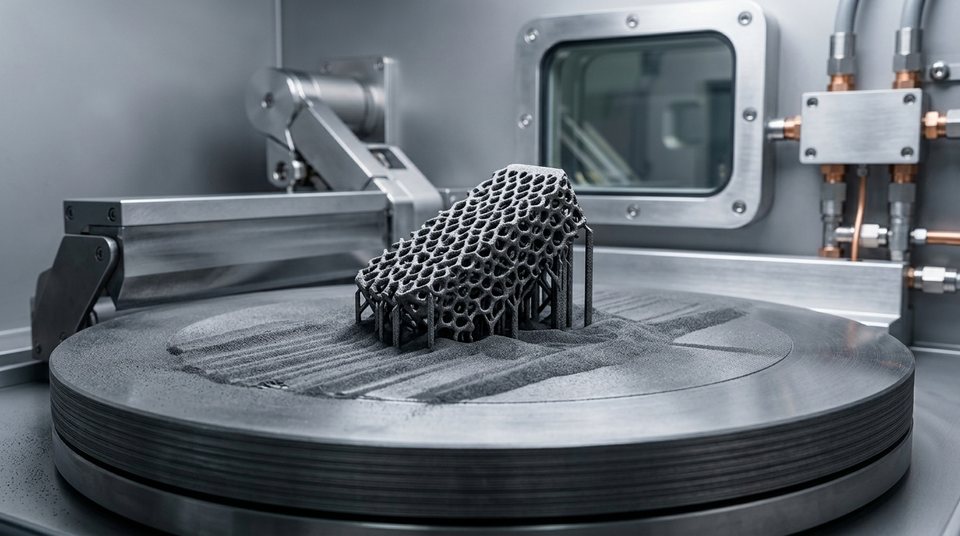
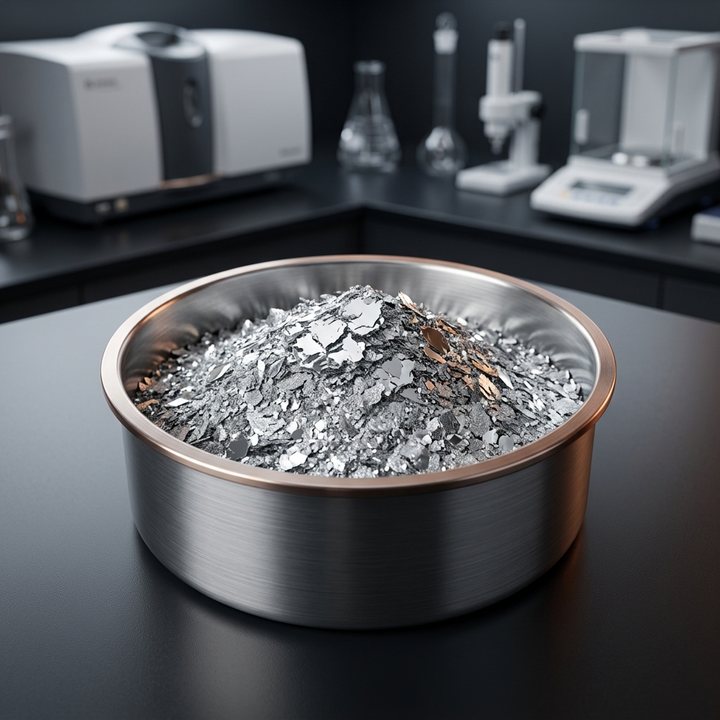
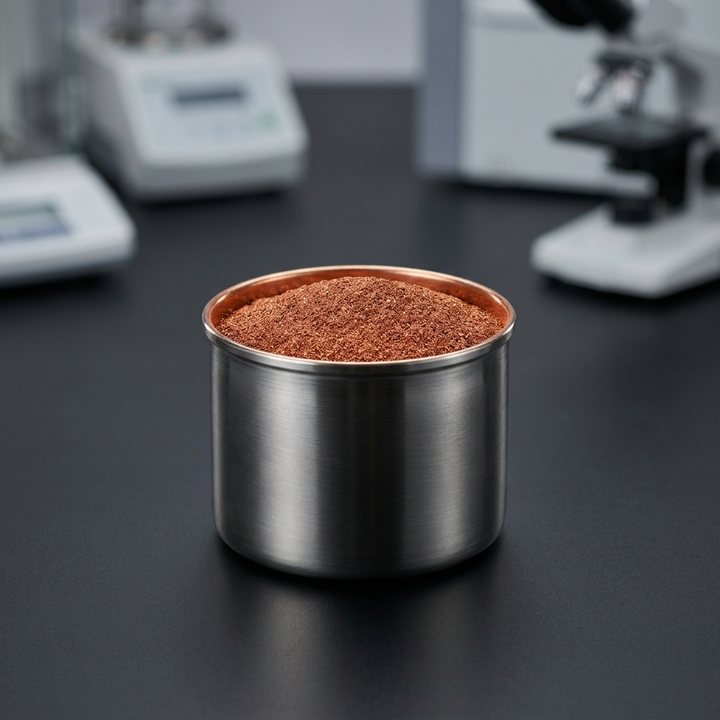
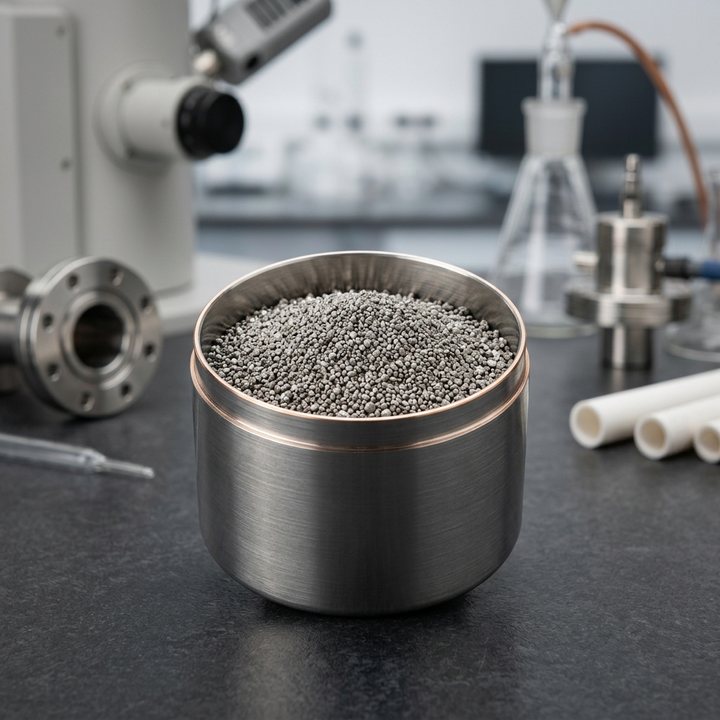
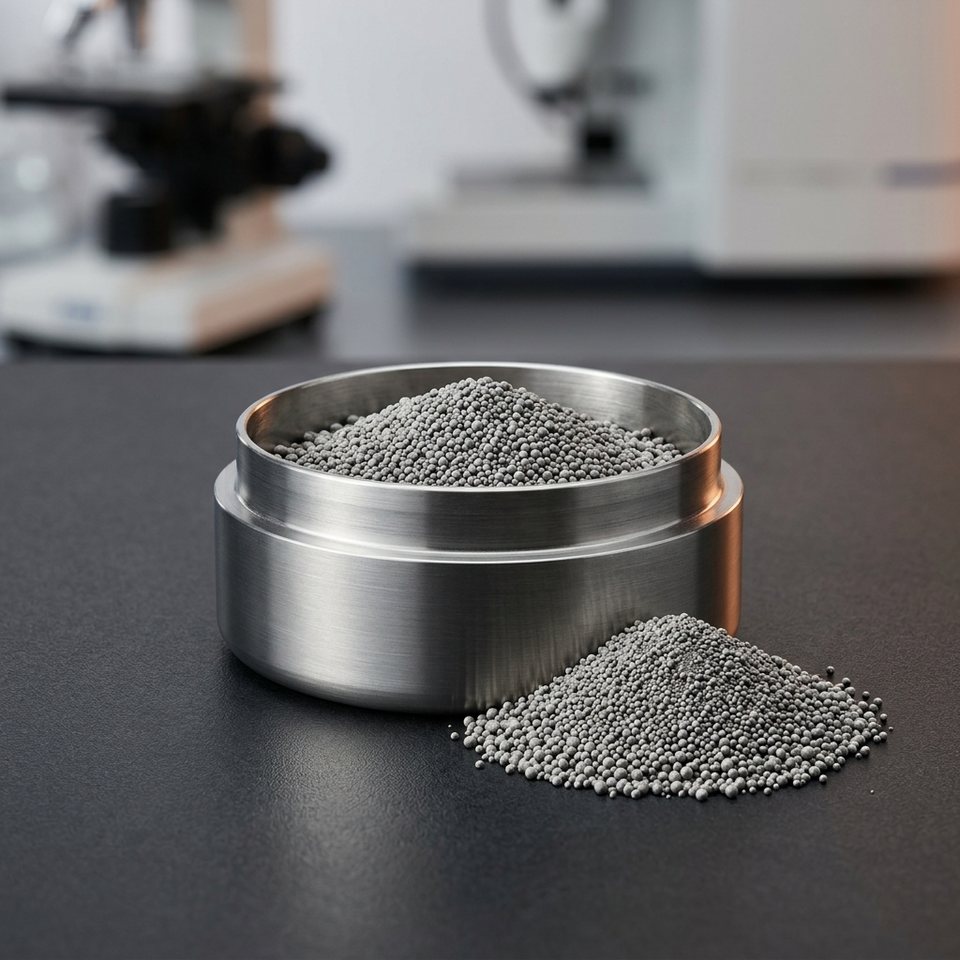
NiTi Nitinol Shape Memory Alloy Powder metal powder product sample

QUICK ANSWER

Performance Defined by Material and Process.

NiTi nitinol powder is a nickel-titanium intermetallic (50.5-51.5 at% Ni) with shape-memory and superelastic behavior — the material that remembers its shape. Supplied in atomized spherical cuts for additive manufacturing and MIM, it enables 3D-printed stents, actuators, couplings, and deployable structures that bend, recover, and work where no conventional metal can.

Nitinol's magic is a solid-state phase transformation: below its transformation temperature it deforms like soft plasticine, and on heating it snaps back to its programmed shape with force — or at body temperature it springs superelastically through strains ten times beyond steel's elastic limit. Additive manufacturing with nitinol powder is opening geometries impossible to machine from wire or tube: lattice stents, patient-specific implants, and integrated actuators. Powder buyers (medical device and aerospace manufacturers) purchase on certified nickel content (which sets transformation temperature to the degree), oxygen control, and AM processing data.

MATERIAL DATA

Chemistry and Technical Performance.

Lot-level controls focus on the chemistry, particle characteristics, and process values that influence manufacturing consistency and finished-part performance.

Chemical Composition

TYPICAL
ElementContentPerformance Role
Nickel (Ni)50.5-51.5 at%Sets the transformation temperature — 0.1 at% shifts it ~10 °C
Titanium (Ti)BalanceIntermetallic partner forming the NiTi phase
Oxygen (O)< 0.05 wt%Interstitial control — oxygen degrades transformation behavior
Carbon (C)< 0.02 wt%Strictly limited for superelastic performance
Other elements< 0.1 wt%Impurities shift transformation temperatures

Technical Specifications

BASE GRADE
Composition
NiTi 50.5-51.5 at% Ni (transformation tuned)
Transformation range
-100 to +100 °C (composition set)
Superelastic strain
Up to 8% recoverable
Powder cuts
15-45 µm (LPBF), 20-53 µm (MIM)
Morphology
Spherical, plasma/gas atomized
Standards
ASTM F2063 chemistry equivalent

Final limits can be aligned with the agreed purchase specification.

APPLICATIONS

Developed for Demanding Industrial Applications.

01

Medical devices are the highest-value market

Medical devices are the highest-value market: nitinol's superelasticity and biocompatibility made it the standard for self-expanding stents, guidewires, orthodontic archwires, and surgical tools — and AM nitinol powder now prints patient-specific implants, porous bone scaffolds with body-matched stiffness, and complex minimally-invasive device components. Medical manufacturers buy powder under ASTM F2063-aligned chemistry with full transformation-temperature certification, because a stent's deployment behavior is written in the powder's nickel content.

02

Aerospace, robotics, and industrial actuation form the second market

Aerospace, robotics, and industrial actuation form the second market: shape-memory couplings that shrink-lock hydraulic fittings, deployable satellite structures, vibration-damping components (nitinol's hysteresis absorbs energy), and compact actuators that replace motors in morphing structures and robotics. These applications buy on functional testing — transformation temperatures, recovery stress, and cycle stability — with the powder supplier's processing guidance often deciding whether the program succeeds.

NiTi Nitinol Shape Memory Alloy Powder industrial application detail

SPECIALTY & COMPOSITE POWDERS

CUSTOM SUPPLY

A Supply Specification Built Around Your Process.

We supply spherical nitinol powder in LPBF and MIM cuts with certified nickel content (transformation temperature specified to ±5 °C), oxygen below 500 ppm, and lot-level DSC transformation curves. Custom transformation temperatures, AM parameter development support, and small development quantities alongside production supply are available. Not export-controlled.

01

We supply spherical nitinol powder in LPBF and MIM cuts with certified nickel content (transformation temperature specified to ±5 °C), oxygen below 500 ppm, and lot-level DSC transformation curves.

02

Custom transformation temperatures, AM parameter development support, and small development quantities alongside production supply are available.

MATERIAL COMPARISON

Compare Materials Against the Production Requirement.

Nitinol AM Powder vs Nitinol Wire/Tube (Wrought)

Comparison PointThis ProductWrought Nitinol
Geometry capabilityLattices, internal channels, any 3D formWire, tube, sheet forms only
Part cost at complexityFixed by buildExplodes with machining difficulty
Transformation performanceNear-wrought after heat treatmentReference standard
Surface finishAs-built needs finishingGround/polished available
Fatigue performanceGood — pore control criticalBenchmark
Best useComplex implants, integrated actuatorsStents (laser-cut), guidewires, springs

TECHNICAL FAQ

Technical Questions About This Grade.

Need a different chemistry, particle range, or processing route? Our material team can review the requirement and supply window.

How precisely can you set the transformation temperature?

To ±5 °C of target through nickel content control at 0.05 at% resolution, verified by DSC per lot. Specify your required Af (austenite finish) temperature and we produce and certify to it.

Is printed nitinol biocompatible?

Yes — properly processed AM nitinol meets the same biocompatibility expectations as wrought, supported by ASTM F2063 chemistry compliance. Our medical lots ship with the documentation your regulatory team needs for their own device qualification.

What post-processing do printed nitinol parts need?

Heat treatment to set shape and transformation behavior, plus surface finishing (electropolishing standard for medical). We provide heat-treatment guidance matched to the powder chemistry.

Can nitinol powder be reused in LPBF?

With strict oxygen control, yes — but transformation temperature drifts with interstitial pickup. We provide reuse-ratio guidance and recommend oxygen monitoring per build.

Is nitinol powder export-controlled?

No. Nickel-titanium powders ship without licensing requirements.

REQUEST THIS GRADE

Turn Your Production Requirement Into a Powder Specification.

Share your target chemistry, particle size, process, annual volume, and destination. Our powder specialists will confirm the closest production grade and documentation package.

Talk to a Powder Specialist
Send Inquiry