Metal3DPMETAL3DP
CHEMICAL & METALLURGICAL PROCESS POWDERSTECHNICAL PRODUCT DATA

Zero-Valent Iron (ZVI) Powder for Water Treatment

Micron and nano ZVI with certified TCE/Cr(VI) reduction rates. PRB barriers, direct-push injection, regulatory documentation packages. Project-scale supply.

Forms
Micron ZVI, nano ZVI (nZVI), granular
Target contaminants
Chlorinated solvents, Cr(VI), As, U, NO3
Application
PRB barriers, direct-push injection, soil mixing
Reactivity
Certified TCE/Cr(VI) reduction rates
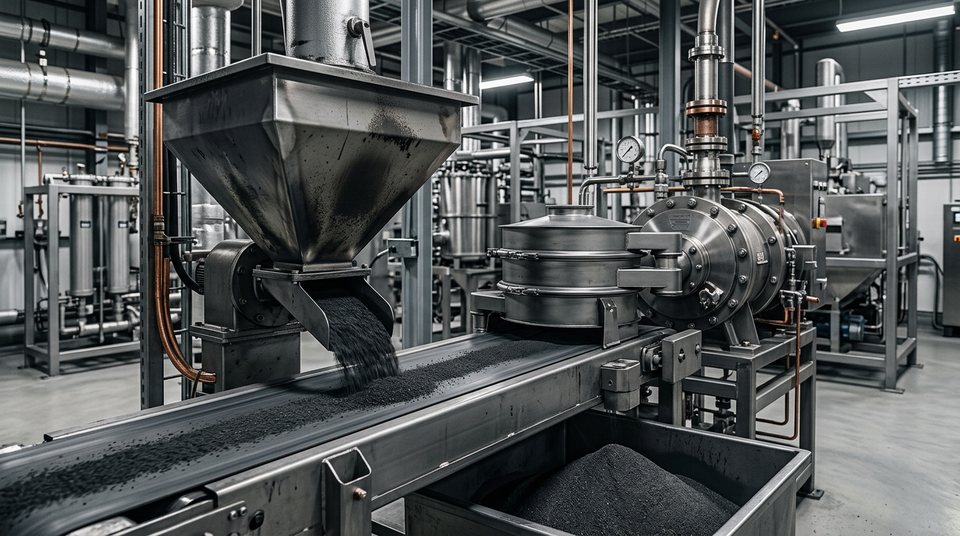
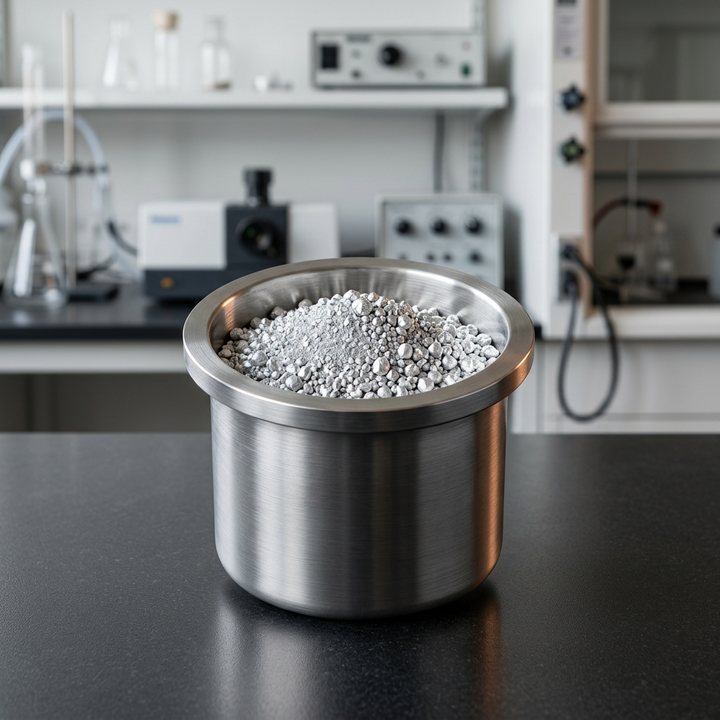
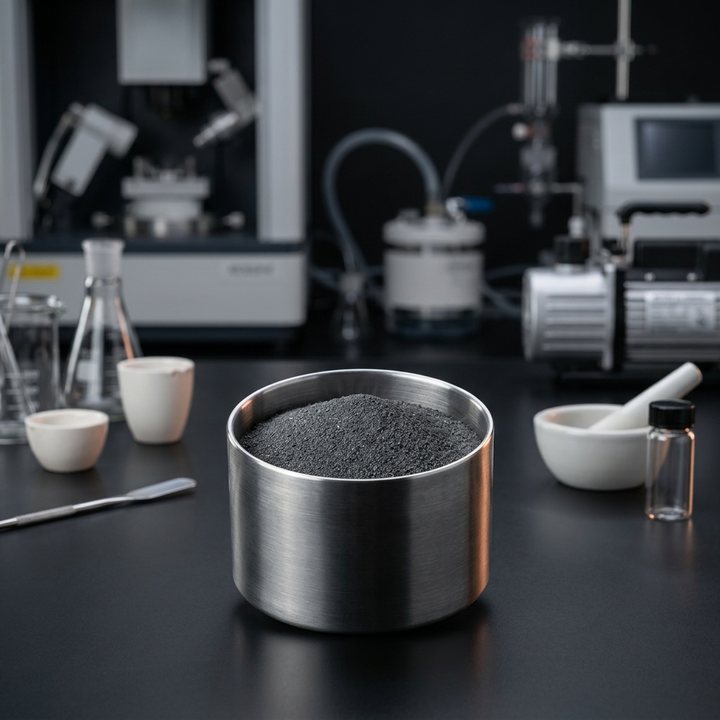
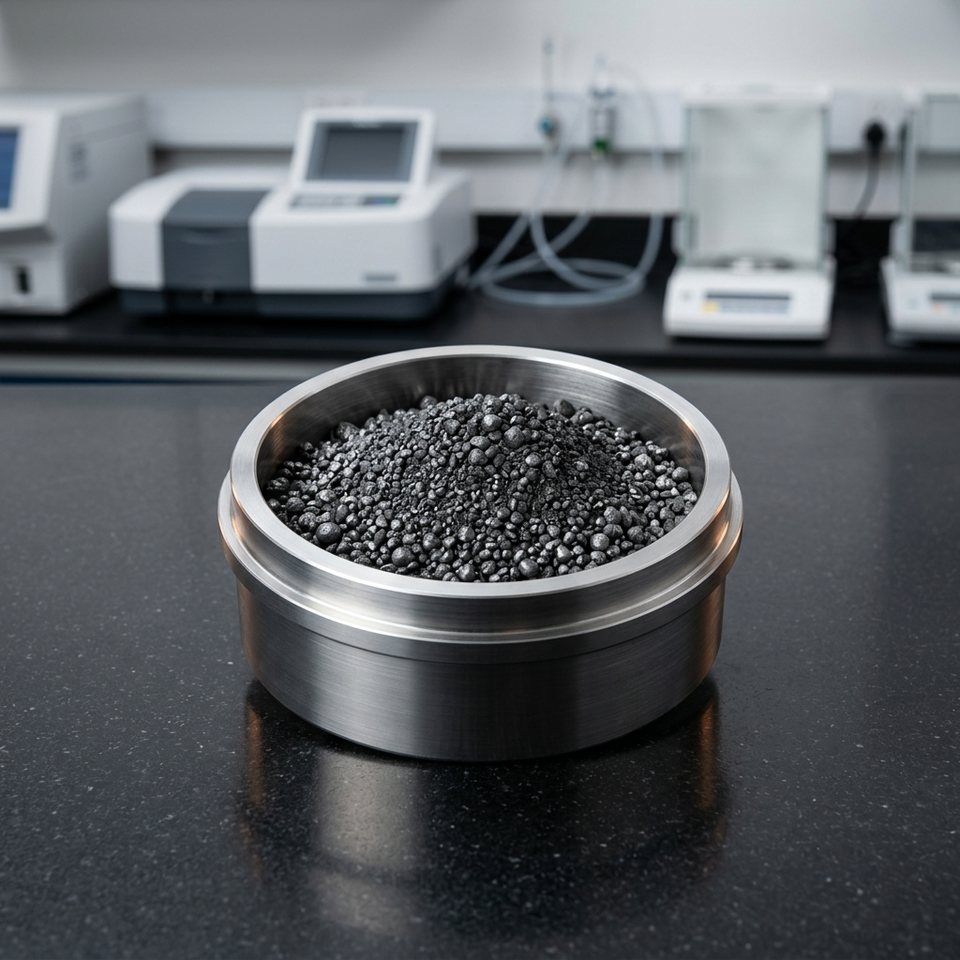
Zero-Valent Iron (ZVI) Powder for Water Treatment metal powder product sample

QUICK ANSWER

Performance Defined by Material and Process.

Zero-valent iron powder is high-purity metallic iron (Fe⁰ > 90%) in micron to submicron sizes used for environmental remediation — injected into contaminated groundwater and soil where it chemically reduces chlorinated solvents, immobilizes heavy metals (chromium, arsenic, uranium), and degrades pesticides and nitrates. It is the most widely used reductant in the global environmental remediation industry.

ZVI works by corrosion chemistry: as iron oxidizes in water, it donates electrons that break down contaminants — trichloroethylene dechlorinates to harmless ethene, carcinogenic hexavalent chromium reduces to benign trivalent chromium and precipitates, and a range of metals adsorb onto the iron oxide corrosion products. Remediation contractors inject ZVI slurries into permeable reactive barriers and direct-push injection points, buying powder on iron content, particle size (which sets reactivity and subsurface transport), and certified performance data that regulators require in project documentation.

MATERIAL DATA

Chemistry and Technical Performance.

Lot-level controls focus on the chemistry, particle characteristics, and process values that influence manufacturing consistency and finished-part performance.

Chemical Composition

TYPICAL
ElementContentPerformance Role
Metallic iron (Fe⁰)> 90 wt%The reactive reductant — drives all contaminant degradation chemistry
Particle size1-45 µm (injection grades)Fine size = high reactivity + subsurface mobility
Surface area0.5-3 m²/gReaction rate driver — certified per lot
Carbon (C)< 1.0 wt%Residual limit for environmental purity
Heavy metalsTrace, certifiedThe product treats contamination — must not add any

Technical Specifications

BASE GRADE
Forms
Micron ZVI, nano ZVI (nZVI), granular
Target contaminants
Chlorinated solvents, Cr(VI), As, U, NO3
Application
PRB barriers, direct-push injection, soil mixing
Reactivity
Certified TCE/Cr(VI) reduction rates
Slurry injection
5-30% solids with guar/surfactant
Regulatory file
Full chemistry + performance documentation

Final limits can be aligned with the agreed purchase specification.

APPLICATIONS

Developed for Demanding Industrial Applications.

01

Groundwater remediation is the defining market

Groundwater remediation is the defining market: contaminated industrial sites — dry cleaners, chemical plants, military bases, electronics factories — are cleaned by injecting ZVI into the aquifer, where it treats chlorinated solvent plumes (TCE, PCE, DCE) for years as groundwater flows through the iron zone. Permeable reactive barriers trench granular ZVI across plume paths; direct-push injection places micron and nano ZVI precisely at source zones. Environmental contractors and their engineering consultants specify ZVI by reactivity certification, and every project files the powder's documentation with environmental regulators.

02

The second market is industrial water and soil treatment

The second market is industrial water and soil treatment: mining drainage treatment, plating-shop wastewater polishing (Cr(VI) reduction), agricultural nitrate and pesticide treatment research, and ex-situ soil washing. Nano ZVI (nZVI) — with surface areas an order of magnitude higher — serves high-reactivity injection where rapid source-zone treatment justifies its premium, while granular ZVI fills long-life reactive barriers. Municipal and industrial wastewater plants add ZVI dosing for phosphorus and heavy metal control.

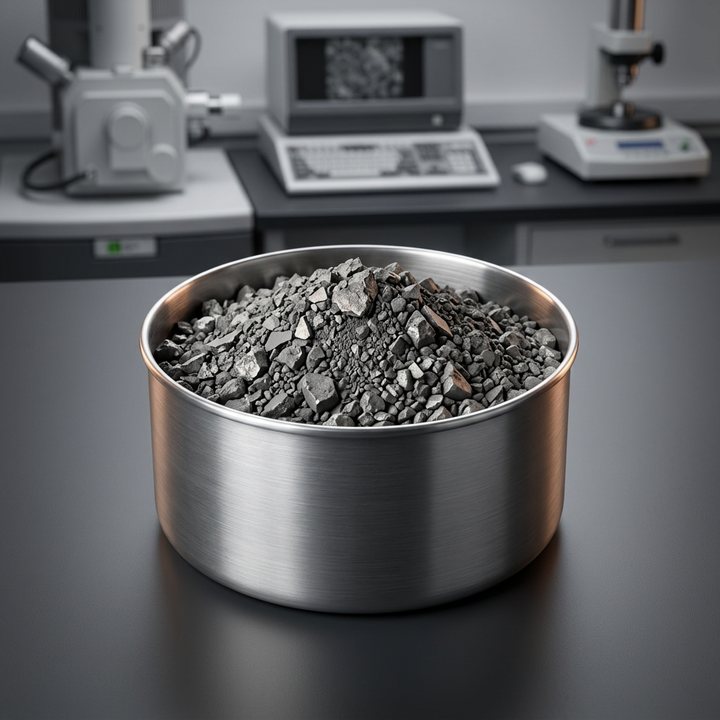
Zero-Valent Iron (ZVI) Powder for Water Treatment industrial application detail

CHEMICAL & METALLURGICAL PROCESS POWDERS

CUSTOM SUPPLY

A Supply Specification Built Around Your Process.

We supply micron ZVI (1-45 µm) and nano ZVI (50-300 nm) with certified metallic iron content, surface area, and contaminant-reduction rate data per lot, plus granular grades for reactive barriers. Stabilized nZVI suspensions for direct injection, project-scale packaging (drums to bulk bags), and full regulatory documentation packages are standard. Not export-controlled.

01

We supply micron ZVI (1-45 µm) and nano ZVI (50-300 nm) with certified metallic iron content, surface area, and contaminant-reduction rate data per lot, plus granular grades for reactive barriers.

02

Stabilized nZVI suspensions for direct injection, project-scale packaging (drums to bulk bags), and full regulatory documentation packages are standard.

MATERIAL COMPARISON

Compare Materials Against the Production Requirement.

Micron ZVI vs Nano ZVI (nZVI)

Comparison PointThis ProductNano ZVI
Particle size1-45 µm50-300 nm
ReactivityHigh10-100x higher per gram
Subsurface transportModerate — injection near sourceBetter mobility in aquifer
LongevityYears of treatmentWeeks-months — rapid source attack
Cost per kgLow5-15x higher
Best usePRB barriers, plume treatmentSource-zone hot spots

TECHNICAL FAQ

Technical Questions About This Grade.

Need a different chemistry, particle range, or processing route? Our material team can review the requirement and supply window.

How do I choose between micron and nano ZVI for my site?

Match the product to the treatment zone: nZVI for rapid source-zone reduction where high reactivity justifies cost; micron ZVI for plume barriers and long-duration treatment. Most projects use both — we support treatability testing with site groundwater before design.

What reactivity certification do regulators require?

Batch reactor test data showing contaminant reduction rates (typically TCE and Cr(VI)) under standardized conditions, plus full chemistry. Our lots ship with this documentation package as standard.

How is ZVI injected?

As a 5-30 percent slurry with biodegradable stabilizers through direct-push rigs or injection wells. We provide slurry preparation guidance and can supply pre-stabilized suspension grades for simplified field handling.

Does ZVI lose effectiveness over time?

The iron corrodes gradually — that is the treatment mechanism. Properly designed barriers treat for 5-15 years before iron depletion; longevity modeling uses our certified iron content and surface area data.

Is ZVI export-controlled?

No. Environmental remediation iron powders ship without licensing requirements.

REQUEST THIS GRADE

Turn Your Production Requirement Into a Powder Specification.

Share your target chemistry, particle size, process, annual volume, and destination. Our powder specialists will confirm the closest production grade and documentation package.

Talk to a Powder Specialist
Send Inquiry