Metal3DPMETAL3DP
LASER CLADDING & DIRECTED ENERGY REPAIR POWDERSTECHNICAL PRODUCT DATA

H13 Tool Steel Laser Cladding Powder

Chemistry-matched H13 (1.2344/SKD61) cladding powder for die-casting and forging die repair. Nitrides and polishes like base steel. Preheat and temper guidance included.

Equivalent grades
H13 / 4Cr5MoSiV1 / 1.2344 / SKD61
Hardness (clad + tempered)
44-52 HRC
Particle size
45-150 µm (laser), 20-53 µm (high-speed)
Morphology
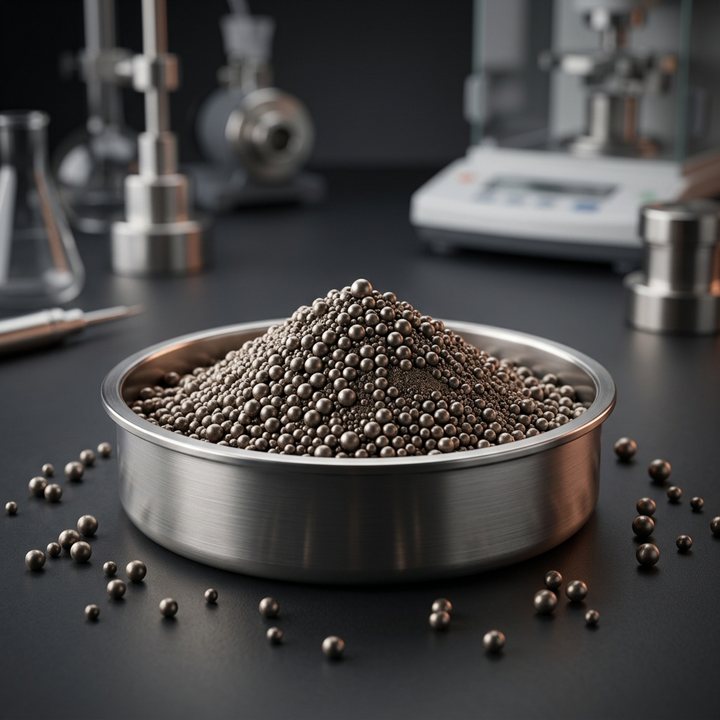
Spherical, gas atomized
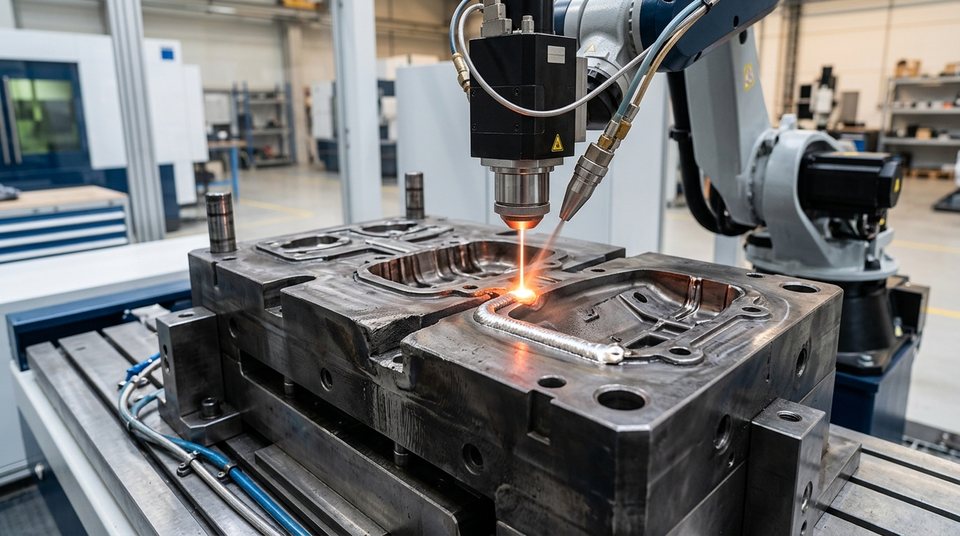
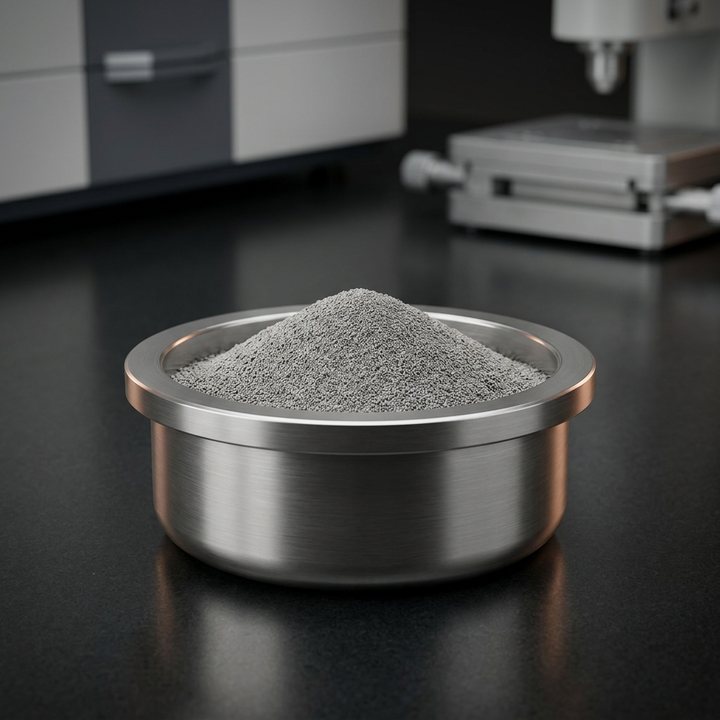
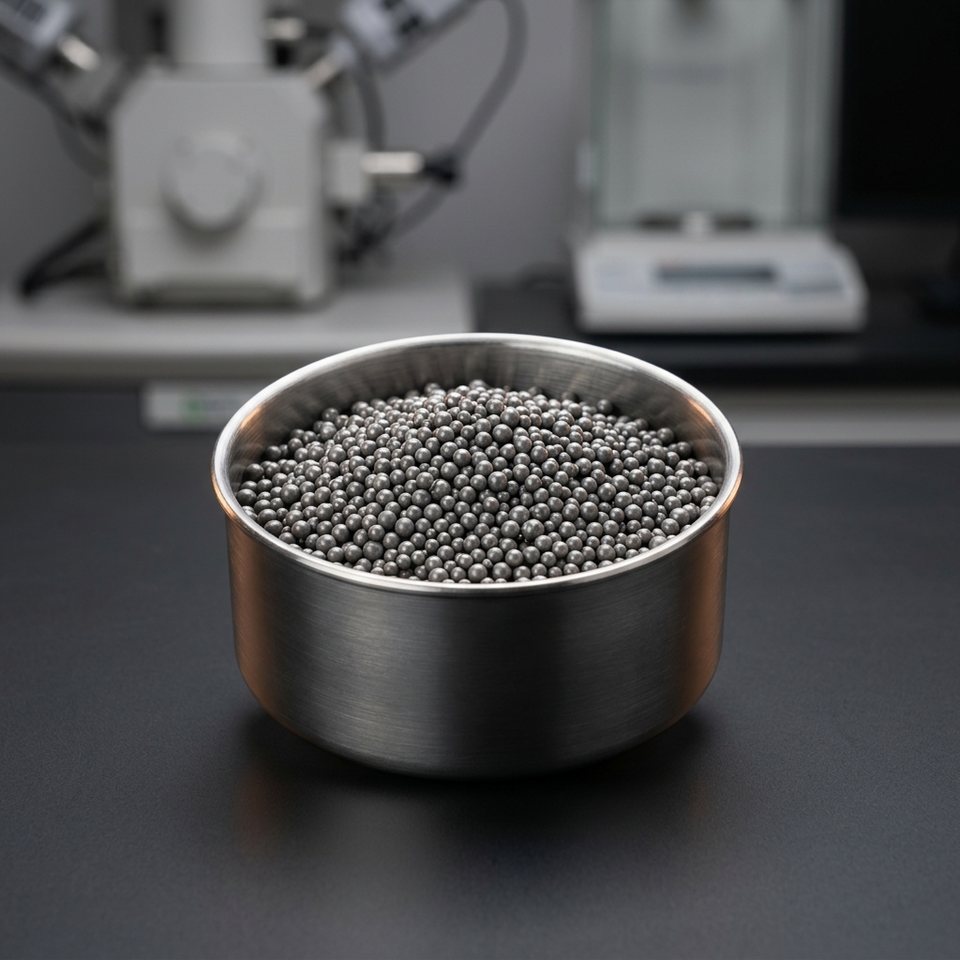
H13 Tool Steel Laser Cladding Powder metal powder product sample

QUICK ANSWER

Performance Defined by Material and Process.

H13 laser cladding powder is a chromium-molybdenum-vanadium hot-work tool steel powder (4Cr5MoSiV1) used to repair and hardface dies, molds, and hot-working tools by laser deposition. Clad and tempered to 44-52 HRC, it restores worn die-casting dies, forging dies, extrusion tooling, and injection mold surfaces — extending tool life at 20-40 percent of new tool cost.

H13 is the world's most used hot-work tool steel, and its clad repair market is enormous because hot-working tools wear predictably and expensively: die-casting dies wash out at gates, forging dies flatten at parting lines, extrusion dies erode at bearings. Laser cladding deposits matching-composition H13 exactly where wear occurred, with a heat-affected zone so small that the base tool's heat treatment survives — something no welding process can reliably do. The powder must match wrought H13 chemistry closely, because the repaired zone will see the same thermal fatigue as the original tool.

MATERIAL DATA

Chemistry and Technical Performance.

Lot-level controls focus on the chemistry, particle characteristics, and process values that influence manufacturing consistency and finished-part performance.

Chemical Composition

TYPICAL
ElementContentPerformance Role
Chromium (Cr)4.75-5.50 wt%Hardenability and tempering resistance; protects against hot erosion
Molybdenum (Mo)1.10-1.75 wt%Secondary hardening and resistance to softening at die temperatures
Vanadium (V)0.80-1.20 wt%Hard MC carbides for wear resistance and thermal fatigue strength
Carbon (C)0.32-0.45 wt%Sets the hardness-toughness balance for hot work service
Silicon (Si)0.80-1.20 wt%Oxidation resistance and tempering stability

Technical Specifications

BASE GRADE
Equivalent grades
H13 / 4Cr5MoSiV1 / 1.2344 / SKD61
Hardness (clad + tempered)
44-52 HRC
Particle size
45-150 µm (laser), 20-53 µm (high-speed)
Morphology
Spherical, gas atomized
Preheat requirement
300-400 °C recommended
Post-treatment
Temper 2x at 550-600 °C

Final limits can be aligned with the agreed purchase specification.

APPLICATIONS

Developed for Demanding Industrial Applications.

01

Die-casting die repair is the flagship application

Die-casting die repair is the flagship application: aluminum and magnesium die-casting dies suffer thermal fatigue (heat checking), gate erosion, and soldering in predictable zones. Laser cladding with H13 rebuilds these zones in matching material, and the repaired die typically returns to service for 50-100 percent of its original shot life at a quarter of replacement cost. Die shops buy H13 powder on chemistry fidelity — an off-spec repair zone cracks first and destroys customer trust in the repair route.

02

Forging and extrusion tooling form the second market

Forging and extrusion tooling form the second market: hammer and press forging dies get clad on worn impressions and parting lines; aluminum extrusion dies get bearing-surface rebuilds; hot shear blades and piercer points get wear-layer renewals. The process also serves injection mold repair (worn parting lines, damaged cores) where H13's polishability matches the mold steel around it. Across these markets, the laser's minimal heat input is the enabler — tools are repaired in hardened condition without full re-heat-treatment.

H13 Tool Steel Laser Cladding Powder industrial application detail

LASER CLADDING & DIRECTED ENERGY REPAIR POWDERS

CUSTOM SUPPLY

A Supply Specification Built Around Your Process.

We supply H13 powder to ASTM A681 chemistry in spherical gas-atomized form, with tempered-hardness response data per lot. Related grades (H11, H12, modified H13 variants with enhanced thermal fatigue resistance) and pre-hardened chemistry adjustments for single-temper shop workflows are available. Preheat and tempering parameter guidance ships with every order. Not export-controlled.

01

We supply H13 powder to ASTM A681 chemistry in spherical gas-atomized form, with tempered-hardness response data per lot.

02

Related grades (H11, H12, modified H13 variants with enhanced thermal fatigue resistance) and pre-hardened chemistry adjustments for single-temper shop workflows are available.

03

Preheat and tempering parameter guidance ships with every order.

MATERIAL COMPARISON

Compare Materials Against the Production Requirement.

H13 Laser Cladding vs TIG Welding Repair

Comparison PointThis ProductTIG Weld Repair
Heat-affected zone0.1-0.3 mm — base hardness survives2-5 mm — softening and distortion
Dilution< 5% — true H13 chemistry20-40% — chemistry degraded
Repair precision0.1 mm placement accuracyMillimeter scale
Post-repair machiningMinimal — near-net depositSubstantial stock removal
Thermal fatigue life of repair80-100% of original50-70% typical
Skill requirementProgrammed processMaster welder dependent

TECHNICAL FAQ

Technical Questions About This Grade.

Need a different chemistry, particle range, or processing route? Our material team can review the requirement and supply window.

Do I need to preheat the die before cladding?

Yes — 300-400 °C is standard for H13 to prevent cracking of both deposit and base. Large dies are clad hot in a furnace or with induction blankets; small inserts can use torch preheat with temperature crayons.

Can the repaired zone be nitrided like the original die?

Yes — that is exactly the point of chemistry-matched repair. The clad zone nitrides, polishes, and thermally fatigues like the base H13, unlike nickel-based repair alloys that behave differently in service and show the repair boundary.

What post-cladding heat treatment is required?

Double tempering at 550-600 °C to 44-52 HRC working hardness. If the base tool is already in service condition, local tempering of the repair zone is possible with induction heating — we provide guidance with the powder.

How many times can a die be re-clad?

Typically three to five repair cycles before cumulative heat-affected zone growth compromises the base. Tracking repair history per die is standard practice in professional die shops.

Is H13 powder export-controlled?

No. Tool steel powders ship without licensing requirements.

REQUEST THIS GRADE

Turn Your Production Requirement Into a Powder Specification.

Share your target chemistry, particle size, process, annual volume, and destination. Our powder specialists will confirm the closest production grade and documentation package.

Talk to a Powder Specialist
Send Inquiry