Metal3DPMETAL3DP
LASER CLADDING & DIRECTED ENERGY REPAIR POWDERSTECHNICAL PRODUCT DATA

Inconel 625 Laser Cladding Powder

UNS N06625 spherical cladding powder, PREN > 40, NACE MR0175 qualified service. 1-2 layers to spec chemistry with laser. Qualification support and full documentation.

Standard
UNS N06625 / AWS ERNiCrMo-3 chemistry
Particle size
45-106 µm (laser/PTA), 20-53 µm (high-speed)
Morphology
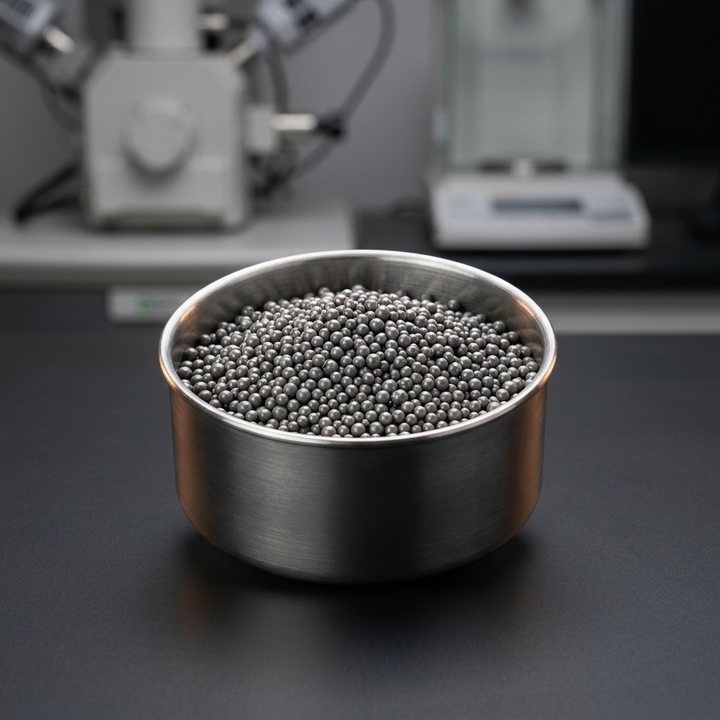
Spherical, gas atomized
Pitting resistance (PREN)
> 40
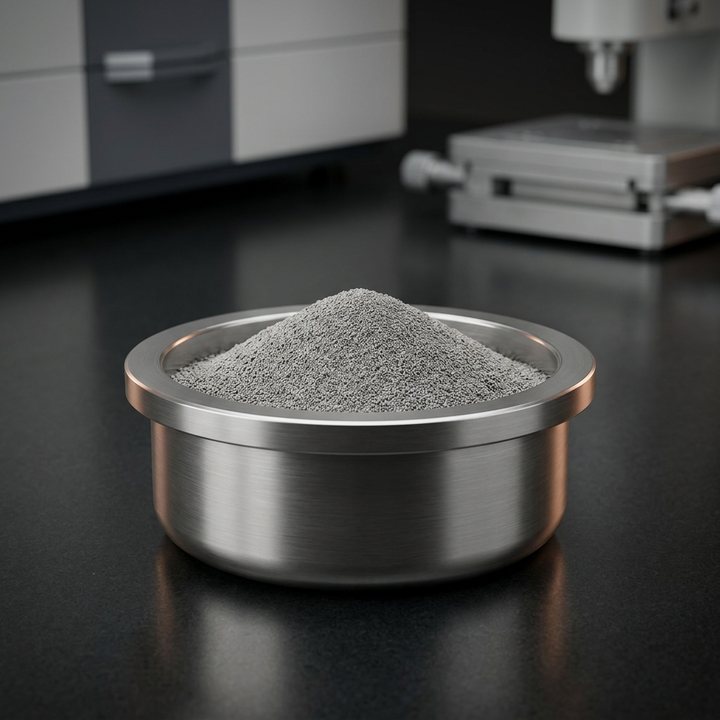
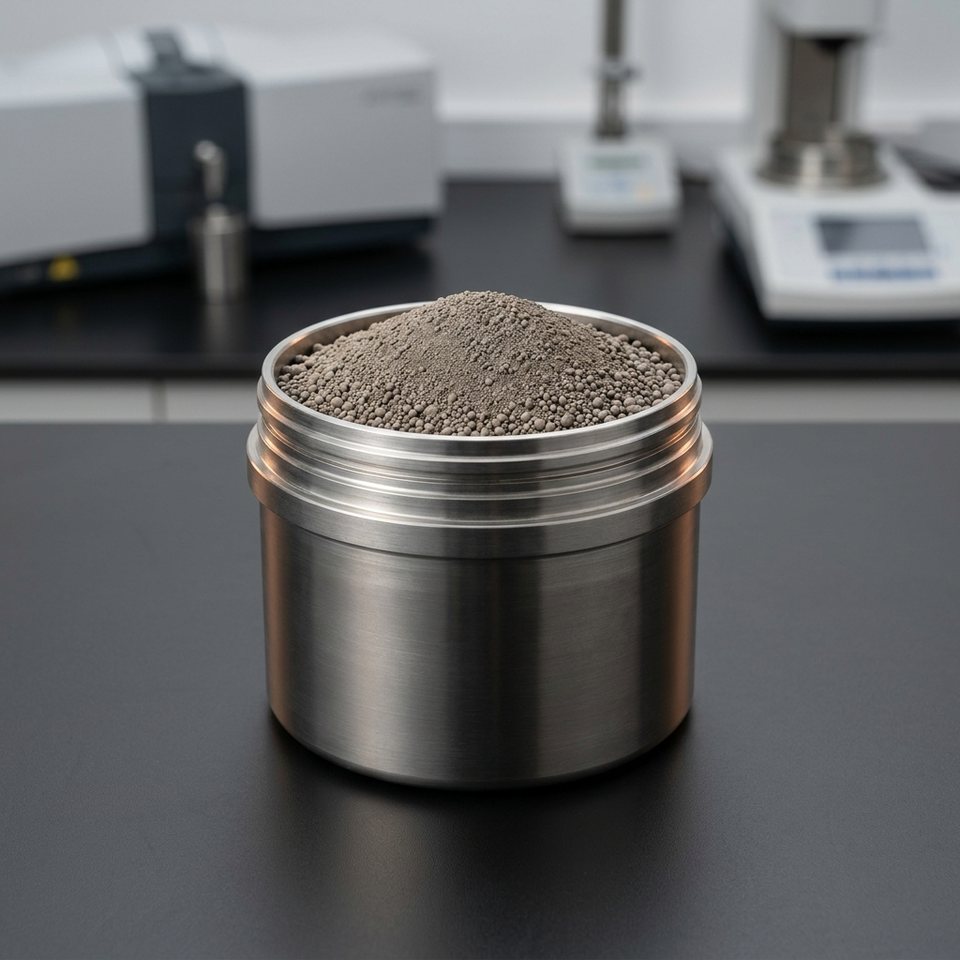
Inconel 625 Laser Cladding Powder metal powder product sample

QUICK ANSWER

Performance Defined by Material and Process.

Inconel 625 cladding powder is a nickel-chromium-molybdenum-niobium alloy deposited by laser cladding to add corrosion-resistant layers onto steel and low-alloy components — the standard solution for cladding pipe, valves, flanges, and pressure vessels serving sour gas, seawater, and chemical service. The deposit delivers the full corrosion performance of wrought Alloy 625 at a fraction of the cost of solid alloy construction.

Alloy 625's chemistry — high molybdenum for pitting resistance, niobium for matrix strengthening without heat treatment, and nickel base for chloride stress-corrosion immunity — makes it the most specified corrosion-resistant cladding alloy in the oil and gas industry. Laser cladding's low dilution is economically decisive here: every point of iron dilution from the steel substrate degrades the deposit's corrosion rating, and laser's sub-5-percent dilution achieves specification chemistry in one or two layers where TIG needs three or four.

MATERIAL DATA

Chemistry and Technical Performance.

Lot-level controls focus on the chemistry, particle characteristics, and process values that influence manufacturing consistency and finished-part performance.

Chemical Composition

TYPICAL
ElementContentPerformance Role
Nickel (Ni)> 58 wt%Matrix providing chloride stress-corrosion cracking immunity
Chromium (Cr)20-23 wt%Oxidation and general corrosion resistance
Molybdenum (Mo)8-10 wt%Pitting and crevice corrosion resistance — the key alloying element
Niobium + Tantalum (Nb+Ta)3.15-4.15 wt%Solid-solution and precipitate strengthening without heat treatment
Iron (Fe)< 5 wt%Limited to preserve corrosion performance (deposit spec typically < 5%)

Technical Specifications

BASE GRADE
Standard
UNS N06625 / AWS ERNiCrMo-3 chemistry
Particle size
45-106 µm (laser/PTA), 20-53 µm (high-speed)
Morphology
Spherical, gas atomized
Pitting resistance (PREN)
> 40
Deposit layers to spec
1-2 (laser) vs 3-4 (TIG)
Service range
-196 to 980 °C; sour gas per NACE MR0175

Final limits can be aligned with the agreed purchase specification.

APPLICATIONS

Developed for Demanding Industrial Applications.

01

Oil and gas is the dominant market

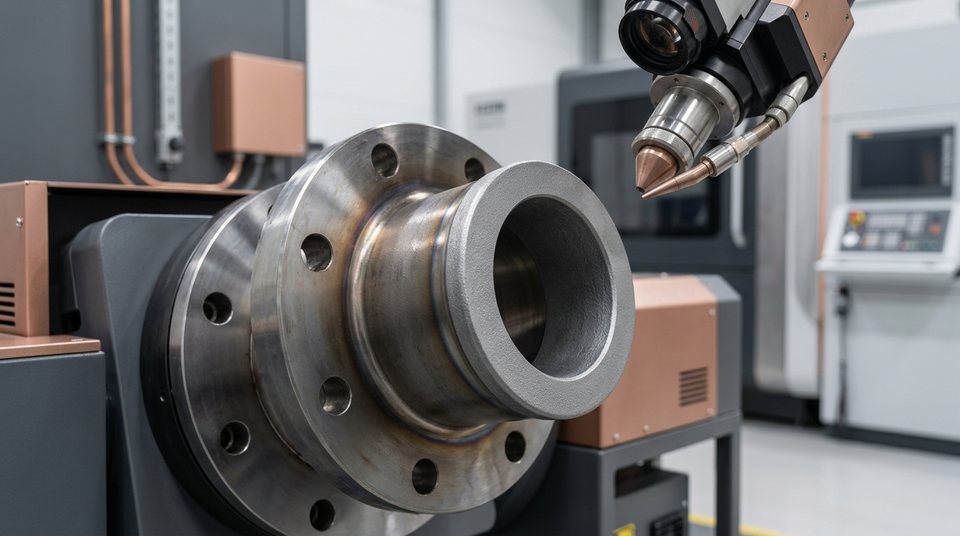
Oil and gas is the dominant market: laser-clad Alloy 625 layers protect the wetted surfaces of christmas trees, valves, manifold piping, and flange faces handling sour, high-chloride production fluids. The economics are compelling — a carbon steel body with a 3 mm clad layer costs a third of solid 625 and passes the same corrosion specification. Cladding contractors buy powder on chemistry consistency (especially Mo and Nb control), dilution performance, and iron-content certification of test deposits.

02

The second market is process industry equipment

The second market is process industry equipment: chemical reactor internals, seawater pump and valve components, flue-gas desulfurization ductwork, and waste-to-energy boiler panels where 625's combined resistance to chlorides, acids, and high-temperature oxidation outlasts stainless by years. Marine and offshore applications — propulsion shaft sleeves, seawater piping — add a steady repair market where laser cladding restores corroded surfaces with an upgrade in material performance.

Inconel 625 Laser Cladding Powder industrial application detail

LASER CLADDING & DIRECTED ENERGY REPAIR POWDERS

CUSTOM SUPPLY

A Supply Specification Built Around Your Process.

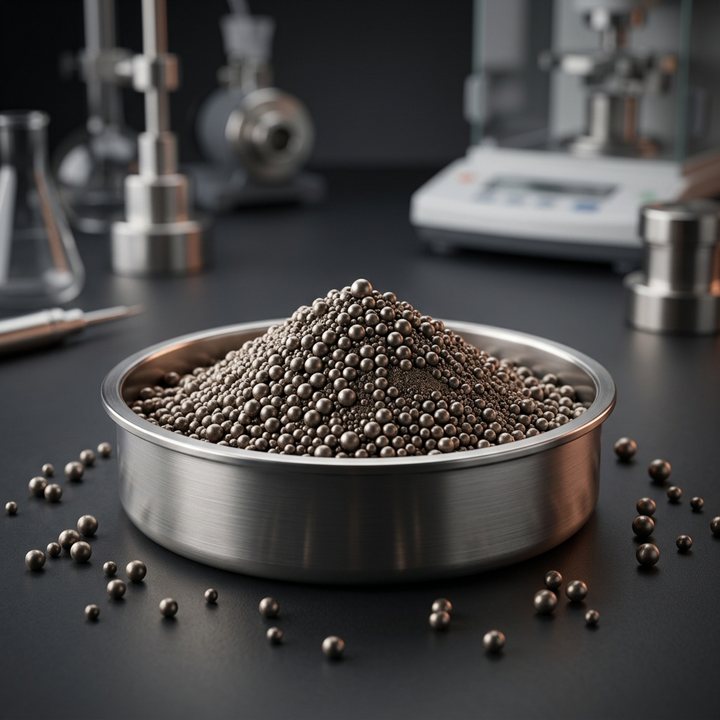
We supply Alloy 625 powder to UNS N06625 chemistry in spherical gas-atomized laser and PTA cuts, with certified chemistry and interstitial content per lot. Low-iron premium grades, deposit test-plate programs for procedure qualification, and matched wire + powder supply for shops running both TIG and laser are available. Note: molybdenum-related items fall under China's export licensing framework; finished alloy powders at this Mo content ship with composition declarations, and we confirm documentation requirements at order placement.

01

We supply Alloy 625 powder to UNS N06625 chemistry in spherical gas-atomized laser and PTA cuts, with certified chemistry and interstitial content per lot.

02

Low-iron premium grades, deposit test-plate programs for procedure qualification, and matched wire + powder supply for shops running both TIG and laser are available.

03

Note: molybdenum-related items fall under China's export licensing framework; finished alloy powders at this Mo content ship with composition declarations, and we confirm documentation requirements at order placement.

MATERIAL COMPARISON

Compare Materials Against the Production Requirement.

Inconel 625 Cladding vs Solid Alloy 625 Construction

Comparison PointThis ProductSolid 625 Component
Material costSteel body + thin clad layer3-4x higher material cost
Corrosion performanceIdentical at wetted surfaceFull thickness alloy
Mechanical designSteel provides pressure strengthAlloy provides both (over-specified)
Lead timeSteel availability + clad cycleLong alloy forging lead times
Repair optionsRe-clad locallyReplace or weld repair
Best fitLarge pressure equipmentSmall, thin-wall, or fatigue-critical parts

TECHNICAL FAQ

Technical Questions About This Grade.

Need a different chemistry, particle range, or processing route? Our material team can review the requirement and supply window.

How many layers do I need to reach specification chemistry?

With laser dilution below 5 percent, one layer often meets chemistry and two layers guarantee it. We recommend qualifying with a two-layer procedure and verifying iron content by PMI — our powder lots include a recommended parameter window.

Does 625 cladding meet NACE MR0175 for sour service?

Yes — Alloy 625 in the annealed/clad condition is accepted for sour service without hardness restriction, which is one of its key advantages over precipitation-hardened alternatives.

Can you supply deposit qualification support?

Yes — we provide test-plate programs, parameter development guidance, and retained powder samples matching your qualification coupons so procedure qualification translates directly to production lots.

What about molybdenum export controls?

China's 2025 measures license certain molybdenum items; finished nickel-alloy powders at 8-10% Mo ship with composition and end-use declarations. We prepare the documentation and confirm current requirements at order time — supply continuity has been reliable.

How does laser compare with hot-wire TIG for 625 cladding?

Laser wins on dilution (fewer layers to spec), distortion, and automation; hot-wire TIG wins on deposition rate for large bores. Many shops run both — we supply matched chemistries in powder and wire.

REQUEST THIS GRADE

Turn Your Production Requirement Into a Powder Specification.

Share your target chemistry, particle size, process, annual volume, and destination. Our powder specialists will confirm the closest production grade and documentation package.

Talk to a Powder Specialist
Send Inquiry