Metal3DPMETAL3DP
NON-FERROUS BASE METAL POWDERSTECHNICAL PRODUCT DATA

HDH Titanium Powder (Hydride-Dehydride)

Hydride-Dehydride

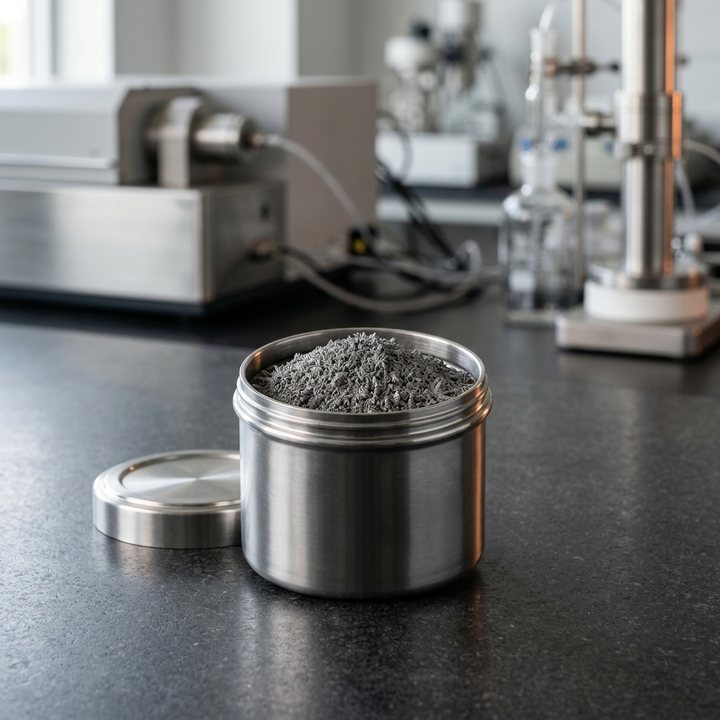
Angular HDH titanium powder, CP Gr1-4 and Ti6Al4V, mesh to <20µm MIM cuts, O 0.15-0.45% selectable, H < 0.015% certified. Fraction of spherical powder cost.

Grades
CP Ti Gr1-Gr4, Ti6Al4V, custom alloys
Particle sizes
-100/-200/-325 mesh; <45 µm MIM cuts
Morphology
Angular irregular — excellent pressability
Green strength
High — particle interlocking
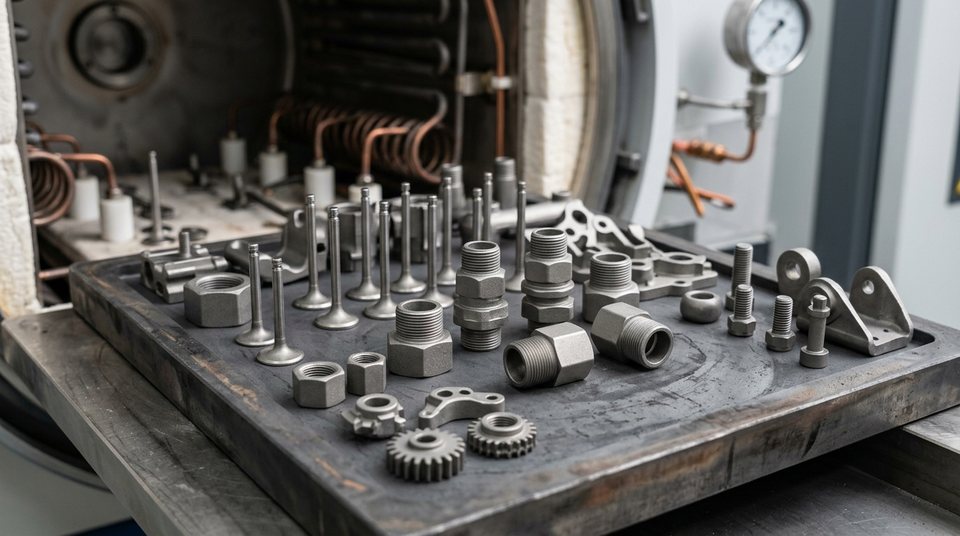
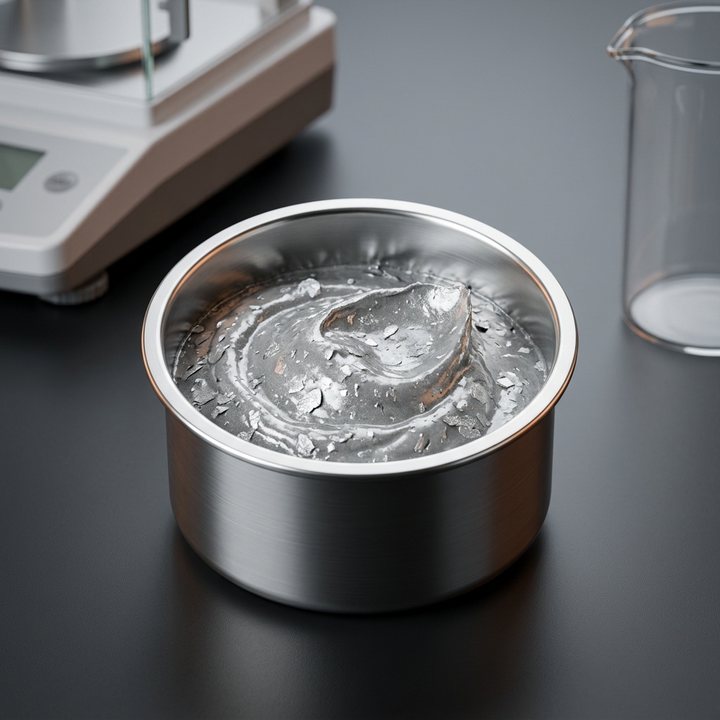
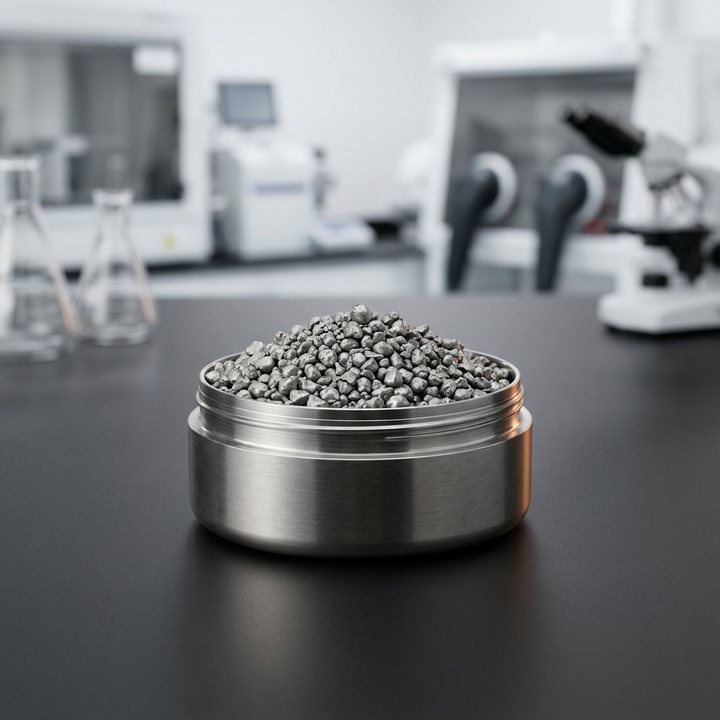
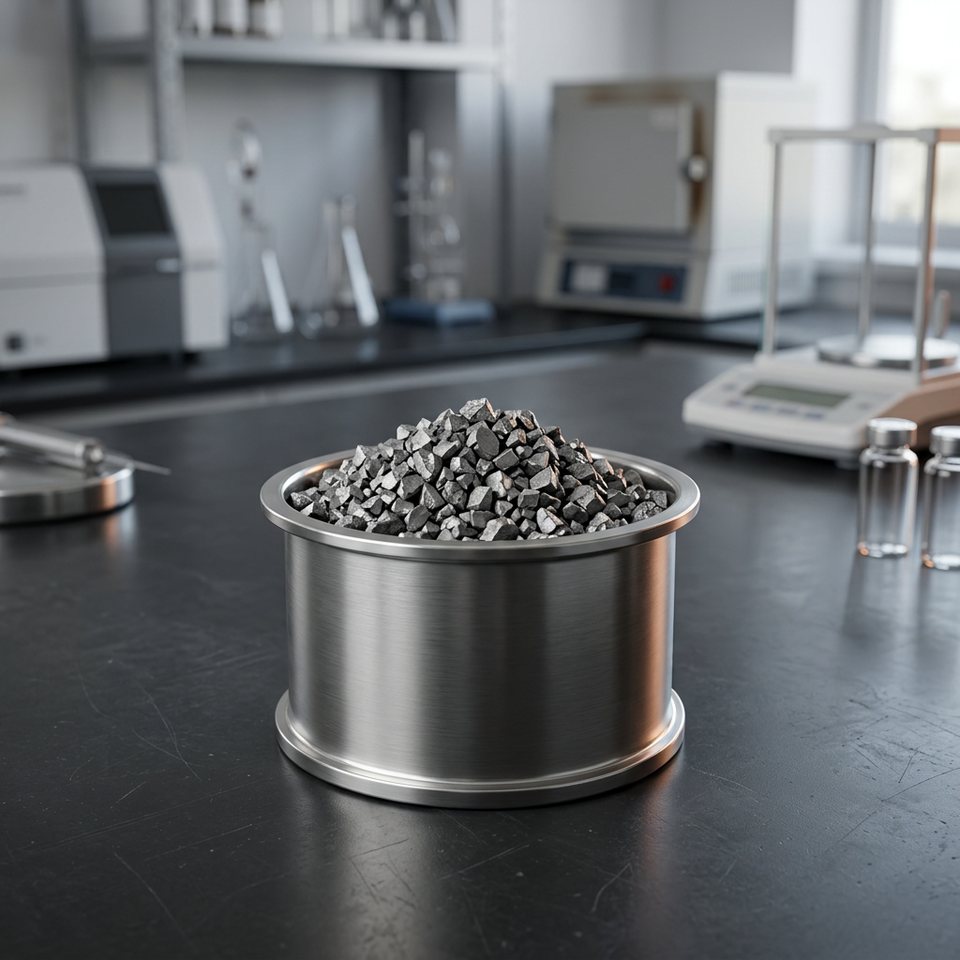
HDH Titanium Powder (Hydride-Dehydride) metal powder product sample

QUICK ANSWER

Performance Defined by Material and Process.

HDH titanium powder is angular titanium powder made by hydrogenating titanium sponge or scrap, milling the brittle hydride, then dehydrogenating — the cost-effective route to CP titanium and Ti6Al4V powder for press-and-sinter powder metallurgy, MIM feedstock, thermal spray, and chemical applications. Where spherical gas-atomized powder is unaffordable or unnecessary, HDH delivers titanium's properties at a fraction of the powder cost.

HDH powder is angular and irregular — it flows poorly but presses beautifully, particles interlocking into strong green compacts that sinter to 95-99% density. This makes it the backbone of titanium press-and-sinter PM: CP titanium and Ti6Al4V parts for chemical, marine, medical, and consumer applications where full machining from billet wastes 80% of expensive material. MIM producers blend fine HDH cuts with binder for titanium injection molding at cost levels unreachable with spherical powder. The trade-offs are oxygen content (HDH runs higher than atomized, affecting ductility) and shape (unsuited to LPBF) — specifications buyers must match to process.

MATERIAL DATA

Chemistry and Technical Performance.

Lot-level controls focus on the chemistry, particle characteristics, and process values that influence manufacturing consistency and finished-part performance.

Chemical Composition

TYPICAL
ElementContentPerformance Role
Titanium (Ti)> 99.5 wt% (CP grades) / Ti6Al4V alloyBase purity — CP1-CP4 and alloy grades
Oxygen (O)0.15-0.45 wt% (grade dependent)Key spec — sets strength/ductility balance of sintered parts
Hydrogen (H)< 0.015 wt% (dehydrided)Residual H embrittles — certified removal
Iron (Fe)< 0.3 wt%CP grade limits
Chloride residue< 0.1 wt%Sponge-route residue control

Technical Specifications

BASE GRADE
Grades
CP Ti Gr1-Gr4, Ti6Al4V, custom alloys
Particle sizes
-100/-200/-325 mesh; <45 µm MIM cuts
Morphology
Angular irregular — excellent pressability
Green strength
High — particle interlocking
Sintered density
95-99% achievable
Price position
Fraction of spherical atomized Ti

Final limits can be aligned with the agreed purchase specification.

APPLICATIONS

Developed for Demanding Industrial Applications.

01

Titanium press-and-sinter PM is the core market

Titanium press-and-sinter PM is the core market: sintered titanium valves, fittings, fasteners, and structural parts serve chemical processing (corrosion immunity), marine hardware, and increasingly consumer electronics and sporting goods — anywhere titanium's strength-to-weight and corrosion story justifies material cost but machining waste does not. HDH powder presses and sinters in standard PM equipment, and part producers buy on oxygen content (it sets the sintered ductility), size distribution, and lot consistency.

02

MIM and advanced routes form the growth market

MIM and advanced routes form the growth market: titanium MIM using fine HDH cuts (<45 µm, <20 µm) produces small complex parts — watch cases, medical components, firearm parts — at costs that opened titanium to volume consumer markets. Thermal spray and laser cladding use HDH cuts for titanium coatings; chemical and pyrotechnic-grade titanium (sponge fines, specified cuts) serves getter, ignition, and alloy-addition roles. Emerging consolidation routes — spark plasma sintering, field-assisted pressing — favor HDH's clean sintering behavior.

HDH Titanium Powder (Hydride-Dehydride) industrial application detail

NON-FERROUS BASE METAL POWDERS

CUSTOM SUPPLY

A Supply Specification Built Around Your Process.

We supply HDH titanium in CP Grades 1-4 and Ti6Al4V (plus custom alloys from certified feedstock), mesh cuts for PM and fine cuts for MIM, with certified oxygen, hydrogen, and full chemistry per lot. Oxygen-level selection guidance for your strength-ductility target, blend-and-press technical support, and MIM feedstock trials are standard. Not export-controlled.

01

We supply HDH titanium in CP Grades 1-4 and Ti6Al4V (plus custom alloys from certified feedstock), mesh cuts for PM and fine cuts for MIM, with certified oxygen, hydrogen, and full chemistry per lot.

02

Oxygen-level selection guidance for your strength-ductility target, blend-and-press technical support, and MIM feedstock trials are standard.

MATERIAL COMPARISON

Compare Materials Against the Production Requirement.

HDH vs Gas-Atomized (Spherical) Titanium

Comparison PointThis ProductSpherical Atomized
MorphologyAngular — presses well, flows poorlySpherical — flows, poor green strength
LPBF/AM suitabilityNoRequired
Press-and-sinterIdeal — high green strengthPoor — needs binder
Oxygen content0.15-0.45%0.08-0.15% — lower
Powder priceLow3-6x higher
Best usePM, MIM, spray, chemicalLPBF, DED, EBM printing

TECHNICAL FAQ

Technical Questions About This Grade.

Need a different chemistry, particle range, or processing route? Our material team can review the requirement and supply window.

What oxygen level should I specify?

Oxygen is titanium's strength dial: 0.15-0.25% O gives ductile parts (CP Gr1-2 equivalent); 0.30-0.45% gives strength at ductility cost (Gr3-4 equivalent). Tell us your sintered property target and we match the lot.

Can HDH powder be used for MIM?

Yes — fine cuts below 45 µm and 20 µm serve titanium MIM feedstock, widely used for watch and medical parts. Oxygen and interstitial control are tighter for MIM; we supply MIM-specific grades.

What sintered density and properties can PM parts reach?

95-99% density with vacuum sintering at 1200-1300 °C; CP titanium parts reach wrought-equivalent corrosion resistance and 80-95% of wrought mechanical properties. We provide sintering windows per grade.

Is residual hydrogen a concern?

Yes — hydrogen above ~0.015% embrittles titanium. Our dehydride cycle and certification keep H below specification; the data ships with every lot.

Is HDH titanium export-controlled?

No. Titanium powders ship without licensing requirements.

REQUEST THIS GRADE

Turn Your Production Requirement Into a Powder Specification.

Share your target chemistry, particle size, process, annual volume, and destination. Our powder specialists will confirm the closest production grade and documentation package.

Talk to a Powder Specialist
Send Inquiry