Metal3DPMETAL3DP
NON-FERROUS BASE METAL POWDERSTECHNICAL PRODUCT DATA

Magnesium Powder for Steel Desulfurization

Passivated Mg granules 0.2-1.6mm, active Mg 92-98%, certified ignition and reactivity per lot. Co-injection blends and cored-wire feedstock. Annual contract supply, DG compliant.

Standard cuts
16-100 mesh, 30-80 mesh custom
Reactivity
Certified ignition and gas-evolution data
Consumption
0.3-0.8 kg per tonne hot metal typical
Blends
Mg + CaO, Mg + CaC2 co-injection mixes
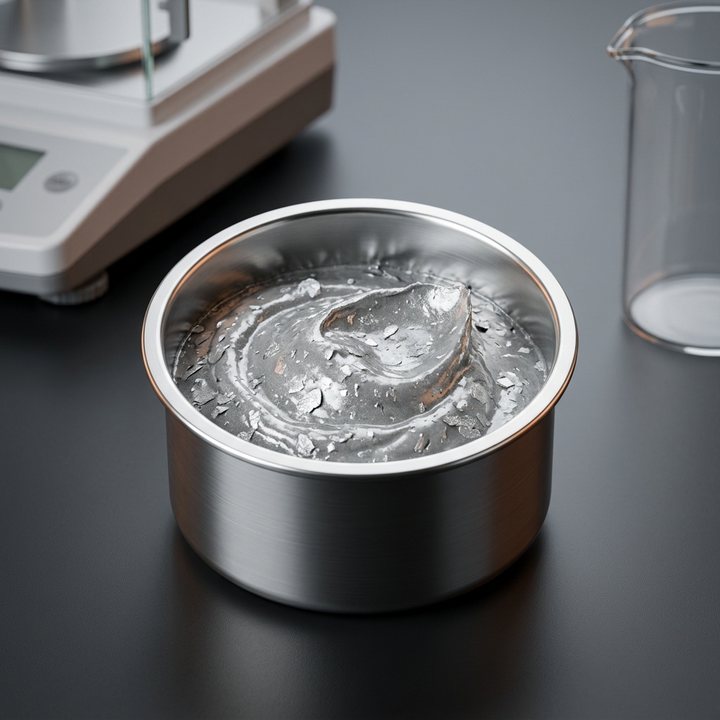
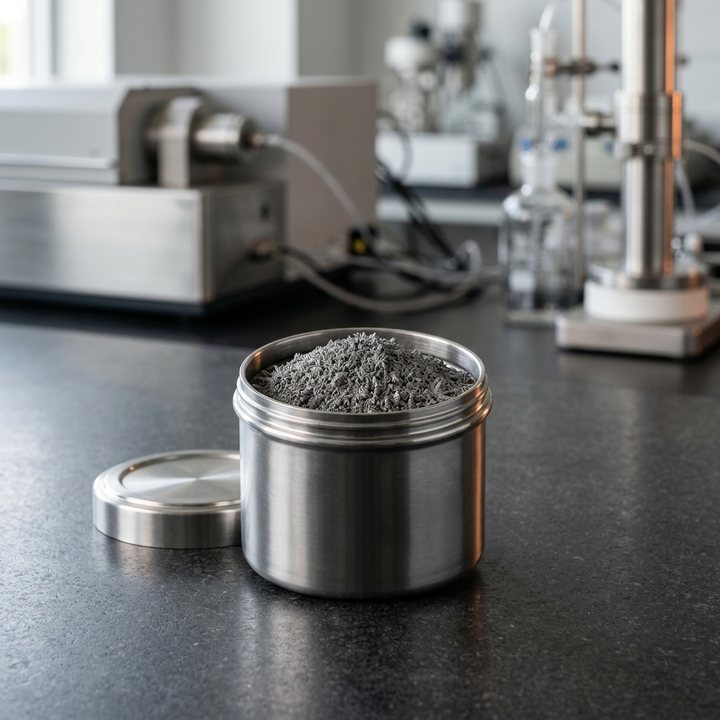
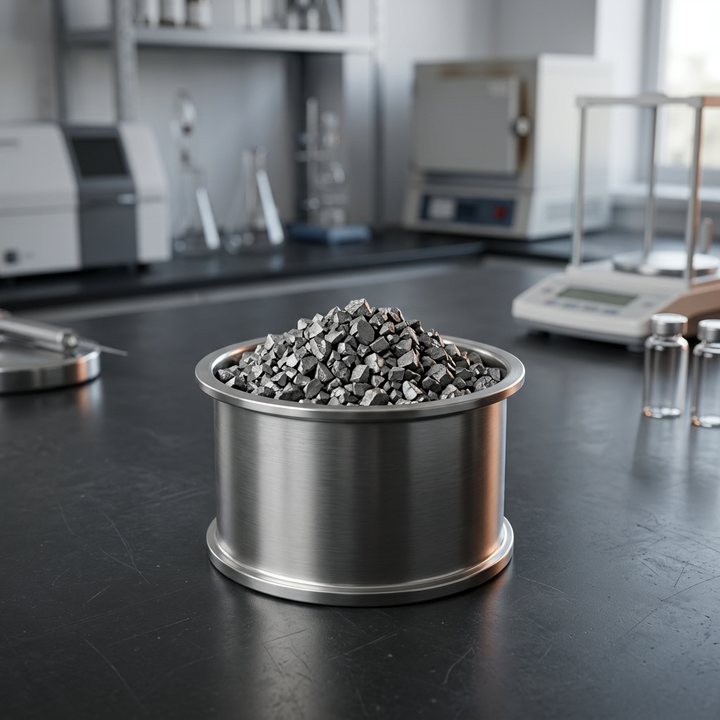
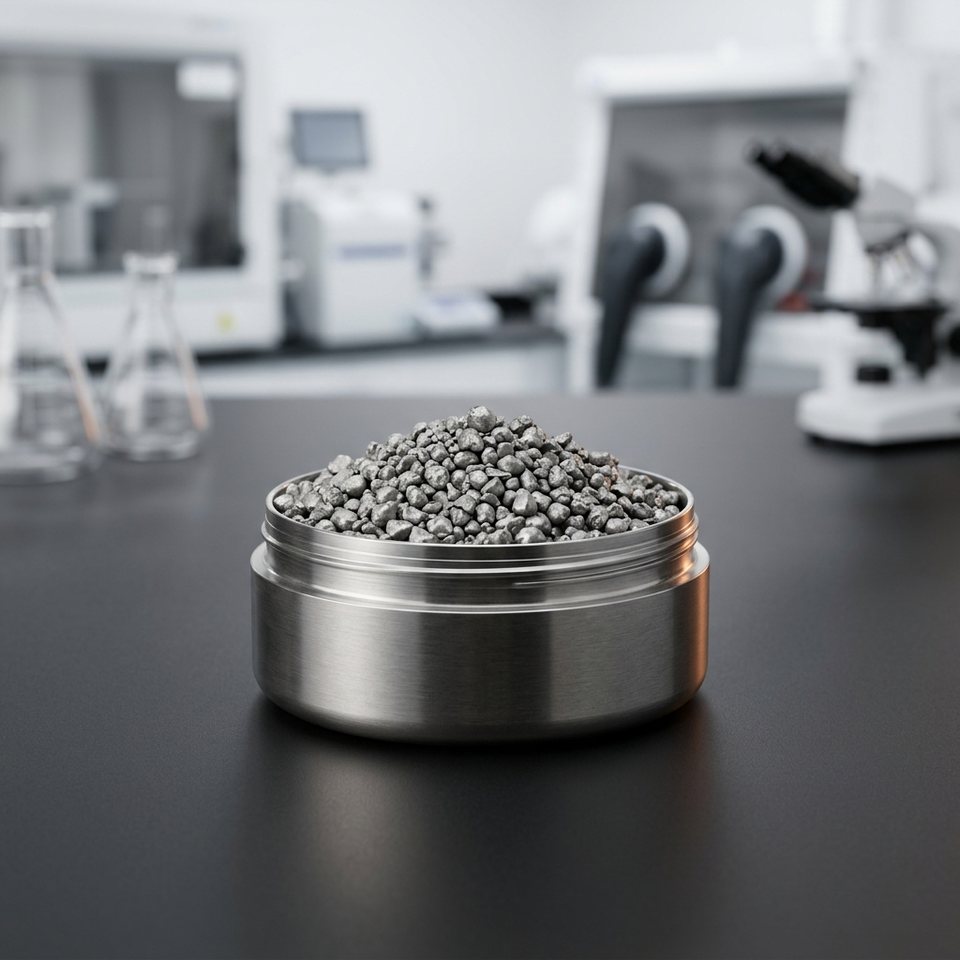
Magnesium Powder for Steel Desulfurization metal powder product sample

QUICK ANSWER

Performance Defined by Material and Process.

Magnesium powder for desulfurization is passivated, sized magnesium granules (typically 0.2-1.6 mm, or finer milled grades) injected into hot metal and steel to remove sulfur — the most efficient desulfurizing agent in ferrous metallurgy. Every high-quality steel grade passes through desulfurization, and magnesium's unmatched sulfur affinity makes it the standard reagent in modern steel plants worldwide.

The process is violent and precise: magnesium injected into 1300-1500 °C hot metal vaporizes instantly, and the Mg vapor reacts sulfur into MgS that floats into slag. Passivation — a controlled surface coating on each granule — delays ignition just enough for safe pneumatic transport and controlled reaction; reactivity is the product's core specification, certified as ignition temperature and reaction curve. Steel plants buy on consistent reactivity, granulometry, and active magnesium content, because injection lance performance and desulfurization endpoint depend on every kilogram behaving identically. Co-injection blends with lime and CaC₂ round out the product family.

MATERIAL DATA

Chemistry and Technical Performance.

Lot-level controls focus on the chemistry, particle characteristics, and process values that influence manufacturing consistency and finished-part performance.

Chemical Composition

TYPICAL
ElementContentPerformance Role
Active magnesium (Mg)> 92-98 wt%The desulfurizing value — certified per lot
Passivation layerSalt/oxide coating 2-8%Ignition delay for safe transport and controlled reaction
Particle size0.2-1.6 mm standard; 0-0.5 mm fine gradesMatches injection lance and process design
Moisture< 0.1 wt%Safety-critical — dry specification
Ignition temperatureCertified per gradeReactivity consistency for lance performance

Technical Specifications

BASE GRADE
Standard cuts
16-100 mesh, 30-80 mesh custom
Reactivity
Certified ignition and gas-evolution data
Consumption
0.3-0.8 kg per tonne hot metal typical
Blends
Mg + CaO, Mg + CaC2 co-injection mixes
Packing
Sealed steel drums, DG class compliant
Alternative forms
Mg granules, Mg cored wire

Final limits can be aligned with the agreed purchase specification.

APPLICATIONS

Developed for Demanding Industrial Applications.

01

Steel plant desulfurization is the market

Steel plant desulfurization is the market: hot metal from blast furnaces carries sulfur that must drop below 0.005-0.010% for quality flat products, pipeline steels, and automotive grades — and magnesium injection is the fastest, most complete removal route. Integrated mills worldwide run Mg injection stations; they buy passivated magnesium under annual contracts with strict reactivity certification, because a slow lot under-desulfurizes (grade downgrades) and a hot lot risks lance flare-ups (safety incidents). The product is consumable, specification-locked, and repurchased continuously.

02

Adjacent demand

Adjacent demand includes ductile iron desulfurization and modification, chemical Grignard and reduction processes (finer Mg powders and turnings), pyrotechnics and flares (where controlled, and noting we do not serve restricted end-uses), and magnesium granule metallurgy. The cored-wire format — magnesium or CaSi wire fed into ladles — shares the same supply base and often the same buyers.

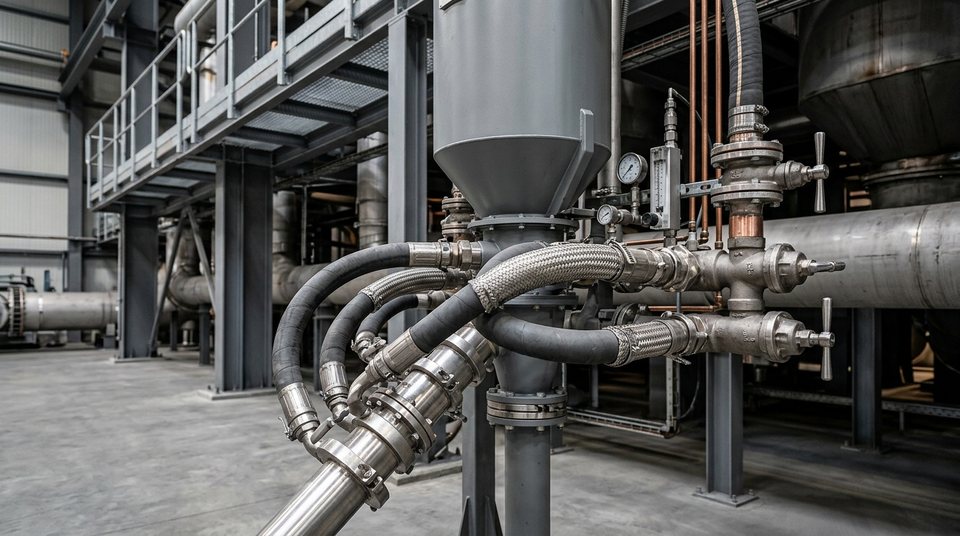
Magnesium Powder for Steel Desulfurization industrial application detail

NON-FERROUS BASE METAL POWDERS

CUSTOM SUPPLY

A Supply Specification Built Around Your Process.

We supply passivated desulfurization magnesium in standard and custom granulometries with certified active Mg, ignition temperature, and reactivity curves per lot, plus Mg-CaO co-injection blends and cored-wire feedstock. Consistent reactivity across annual contract volumes, DG-compliant packaging and documentation, and technical support for injection parameter optimization are standard. Not export-controlled.

01

We supply passivated desulfurization magnesium in standard and custom granulometries with certified active Mg, ignition temperature, and reactivity curves per lot, plus Mg-CaO co-injection blends and cored-wire feedstock.

02

Consistent reactivity across annual contract volumes, DG-compliant packaging and documentation, and technical support for injection parameter optimization are standard.

MATERIAL COMPARISON

Compare Materials Against the Production Requirement.

Magnesium vs Lime/CaC2 Desulfurization

Comparison PointThis ProductCaO or CaC2
Desulfurization efficiencyHighest — deepest S removalModerate (CaO), high (CaC2)
Reaction speedFast — minutesSlower
Slag volumeLowHigh — disposal cost
Temperature lossMinimalSignificant
Cost per tonne treatedHigher reagent, lower totalLower reagent, higher process cost
Best useDeep desulfurization, quality gradesBulk pre-treatment, cost-first

TECHNICAL FAQ

Technical Questions About This Grade.

Need a different chemistry, particle range, or processing route? Our material team can review the requirement and supply window.

How is passivated magnesium safer than raw powder?

Each granule carries a thin salt/oxide coating that raises ignition temperature and slows reaction onset — enough for safe pneumatic transport and controlled lance reaction. We certify ignition temperature per lot; moisture control in storage remains essential.

What granulometry suits my injection station?

Standard 0.2-1.6 mm (16-100 mesh) fits most lances; fine grades for co-injection blends. Send your lance diameter and carrier gas parameters — we match the cut.

What active Mg content do you guarantee?

92-98% depending on passivation level, certified per lot. Dosing calculations use active content, so consistency here directly stabilizes your endpoint sulfur.

How should magnesium powder be stored?

Dry, sealed, away from water and ignition sources — original sealed drums in ventilated storage. Moisture contact generates hydrogen; our packaging and documentation follow DG regulations for safe handling.

Is magnesium powder export-controlled?

No. Magnesium desulfurization products ship without licensing requirements; DG transport rules apply and are handled by us.

REQUEST THIS GRADE

Turn Your Production Requirement Into a Powder Specification.

Share your target chemistry, particle size, process, annual volume, and destination. Our powder specialists will confirm the closest production grade and documentation package.

Talk to a Powder Specialist
Send Inquiry