Metal3DPMETAL3DP
LASER CLADDING & DIRECTED ENERGY REPAIR POWDERSTECHNICAL PRODUCT DATA

Stellite 6 Cobalt-Based Cladding Powder

Genuine Stellite 6 chemistry for laser/PTA/HVOF. Hot hardness to 700°C, benchmark galling resistance. Full Stellite family plus W-free Stellite 21 for simple export.

Deposit hardness
38-45 HRC
Hot hardness retention
Effective to ~700 °C
Particle size
45-106 µm (laser/PTA), 15-53 µm (HVOF/high-speed laser)
Morphology
Spherical, gas atomized
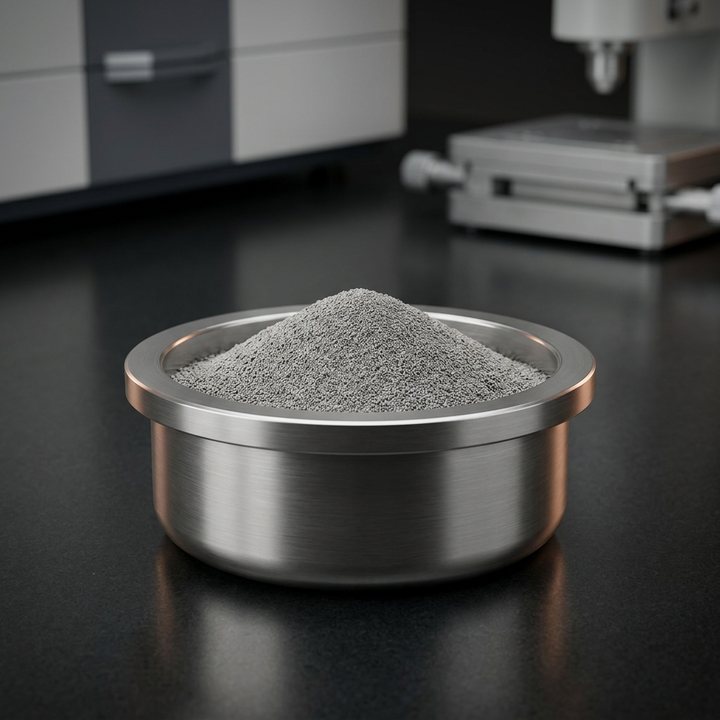
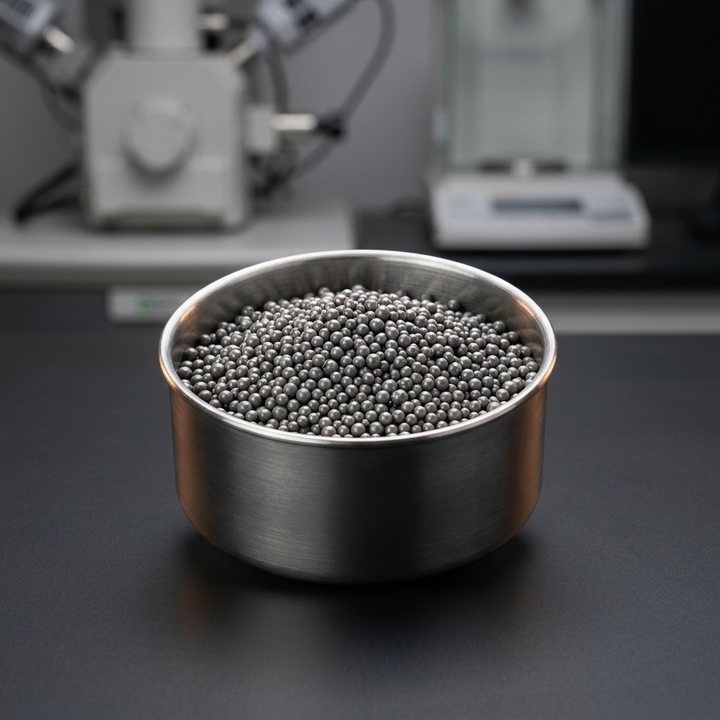
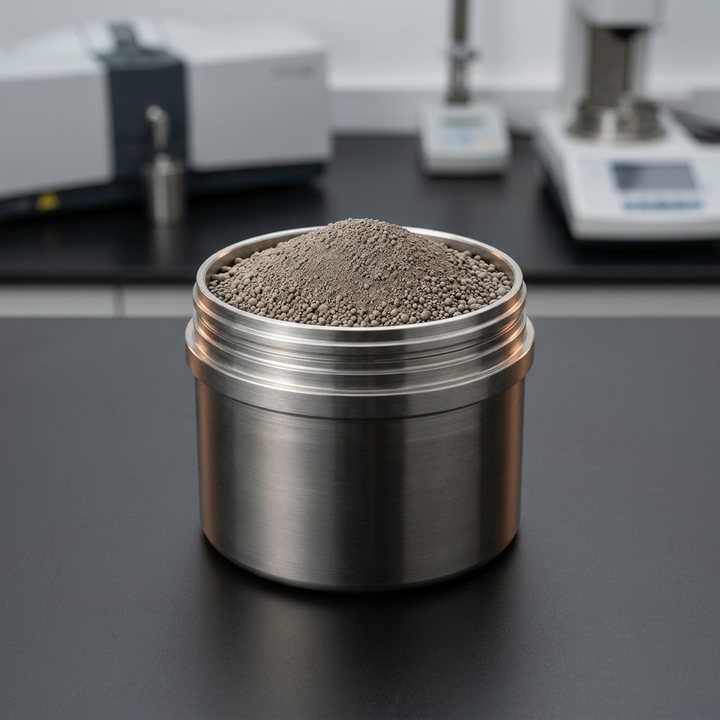
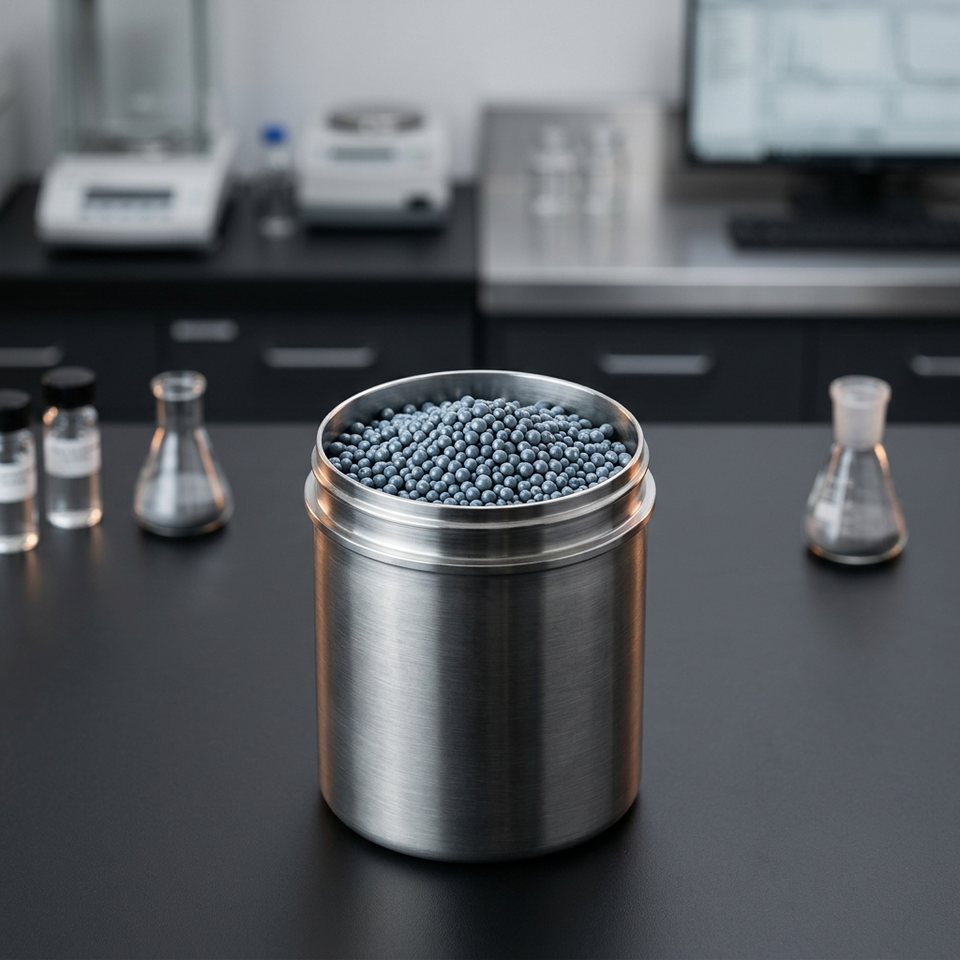
Stellite 6 Cobalt-Based Cladding Powder metal powder product sample

QUICK ANSWER

Performance Defined by Material and Process.

Stellite 6 is a cobalt-chromium-tungsten alloy powder (Co-Cr-W-C) deposited by laser cladding, PTA, or HVOF to produce the benchmark wear-and-corrosion-resistant coating for valve seats, gate valves, and hot-working tools. It keeps its hardness to 700 °C, resists galling and cavitation, and survives corrosive media that destroy iron- and nickel-based hardfacings — the reason it has been the valve industry standard for over eighty years.

The alloy's performance comes from chromium-rich carbides and tungsten-strengthened cobalt matrix: hard enough (38-45 HRC) to resist abrasion, tough enough to survive thermal shock and impact, and inherently corrosion resistant without any coating system. In laser cladding, Stellite 6's forgiving melting behavior and low crack sensitivity make it one of the easiest premium alloys to deposit — which matters when the parts being clad are five-figure valve bodies. Note: Stellite 6 contains tungsten; see the export note in the supply section.

MATERIAL DATA

Chemistry and Technical Performance.

Lot-level controls focus on the chemistry, particle characteristics, and process values that influence manufacturing consistency and finished-part performance.

Chemical Composition

TYPICAL
ElementContentPerformance Role
Cobalt (Co)BalanceMatrix retaining strength and corrosion resistance at elevated temperature
Chromium (Cr)27-32 wt%Forms M7C3 carbides and provides oxidation/corrosion resistance
Tungsten (W)3.5-5.5 wt%Solid-solution strengthener maintaining hot hardness to 700 °C
Carbon (C)0.9-1.4 wt%Controls carbide volume — the hardness/toughness dial
Nickel + Iron< 5 wt% combinedImpurity limits preserving the cobalt matrix properties

Technical Specifications

BASE GRADE
Deposit hardness
38-45 HRC
Hot hardness retention
Effective to ~700 °C
Particle size
45-106 µm (laser/PTA), 15-53 µm (HVOF/high-speed laser)
Morphology
Spherical, gas atomized
Corrosion service
Acids, alkalis, seawater, steam
Equivalent grades
Stellite 1 (harder), Stellite 12, Stellite 21 (W-free)

Final limits can be aligned with the agreed purchase specification.

APPLICATIONS

Developed for Demanding Industrial Applications.

01

Valve manufacturing and overhaul is the defining market

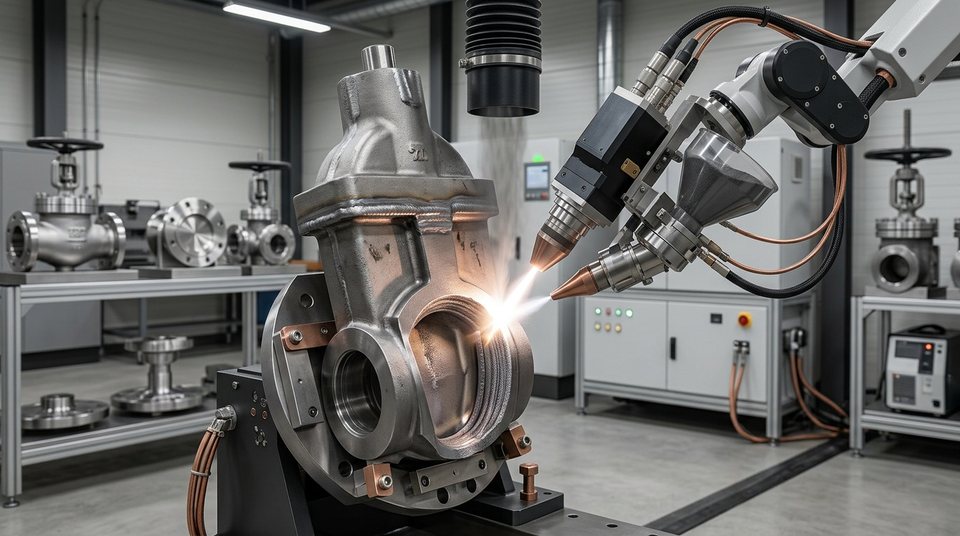
Valve manufacturing and overhaul is the defining market: Stellite 6 seats, gates, and discs in gate, globe, and control valves across power, petrochemical, and refining industries. The alloy's metal-to-metal galling resistance lets valve seats survive thousands of cycles in steam and hydrocarbon service where softer materials seize and harder materials crack. Laser cladding has largely replaced oxy-acetylene and TIG application for new premium valves because dilution control preserves the alloy chemistry — and therefore the wear life — that the specification demands.

02

Additional Applications

Beyond valves, Stellite 6 clads hot-working tool surfaces, plastic extrusion screws and dies (abrasion plus corrosion from polymer additives), saw blade tips, and engine valve faces. In food and pharmaceutical machinery it serves as the wear surface of choice because cobalt alloys are non-toxic and survive cleaning chemicals. Each market buys on certified chemistry and crack-free deposition support — a cladding failure on a machined valve body is an expensive scrap event.

Stellite 6 Cobalt-Based Cladding Powder industrial application detail

LASER CLADDING & DIRECTED ENERGY REPAIR POWDERS

CUSTOM SUPPLY

A Supply Specification Built Around Your Process.

We supply genuine-specification Stellite 6 chemistry (UNS R30006 equivalent) in spherical gas-atomized laser, PTA, and HVOF cuts, plus the full Stellite family (1, 12, 20, 21) and tungsten-free alternatives for applications where export documentation simplicity matters. Export note: because Stellite 6 contains tungsten, shipments may require end-use documentation under current Chinese export rules for tungsten-containing items; we handle the compliance paperwork and can recommend W-free Stellite 21 (comparable corrosion resistance, slightly lower hot hardness) where licensing is impractical.

01

We supply genuine-specification Stellite 6 chemistry (UNS R30006 equivalent) in spherical gas-atomized laser, PTA, and HVOF cuts, plus the full Stellite family (1, 12, 20, 21) and tungsten-free alternatives for applications where export documentation simplicity matters.

02

Export note: because Stellite 6 contains tungsten, shipments may require end-use documentation under current Chinese export rules for tungsten-containing items; we handle the compliance paperwork and can recommend W-free Stellite 21 (comparable corrosion resistance, slightly lower hot hardness) where licensing is impractical.

MATERIAL COMPARISON

Compare Materials Against the Production Requirement.

Stellite 6 vs Ni60 Laser Cladding

Comparison PointThis ProductNi60 (Nickel-Base)
Hot hardness (> 500 °C)Retained to ~700 °CDegrades above ~550 °C
Corrosion resistanceSuperior — acids, alkalis, steamGood — general corrosion service
Galling resistance (metal-to-metal)Benchmark performanceGood
Room-temperature abrasionModerate (38-45 HRC)Higher (58-62 HRC)
Material costHigh (cobalt)Moderate
Best useValve seats, hot + corrosive wearAbrasion at moderate temperature

TECHNICAL FAQ

Technical Questions About This Grade.

Need a different chemistry, particle range, or processing route? Our material team can review the requirement and supply window.

Is Stellite 6 export-controlled because of its tungsten content?

China's 2025 export controls target tungsten and certain tungsten items. Alloy powders with low tungsten percentages like Stellite 6 (~4-5% W) generally ship with end-use declarations, but requirements evolve — we confirm documentation per order and offer W-free Stellite 21 when simplicity matters.

Laser cladding or PTA for valve seats?

Both are industry standard. Laser gives lower dilution and less distortion on finished-machined bodies; PTA is more economical for larger deposits and higher volumes. Our powder is supplied in cuts optimized for each process.

What hardness should I expect, and can I adjust it?

38-45 HRC is the standard deposit range. Carbon content within the specification band tunes hardness — we supply tighter carbon windows when your application prioritizes either wear (high C) or crack resistance (low C).

Can Stellite 6 deposits be machined?

Yes, with carbide tooling at reduced speeds — much easier than Ni60 or carbide coatings. This is one reason valve shops prefer it for seats requiring precision finishing.

How does it compare with hardfacing welding consumables?

Powder metallurgy atomization gives far tighter chemistry and cleaner deposits than cast-rod or flux-cored routes, with better lot consistency. For automated laser and PTA systems, powder feed is the only practical option.

REQUEST THIS GRADE

Turn Your Production Requirement Into a Powder Specification.

Share your target chemistry, particle size, process, annual volume, and destination. Our powder specialists will confirm the closest production grade and documentation package.

Talk to a Powder Specialist
Send Inquiry